
Show summary Hide summary
- Kitchen essentials with virtually unlimited shelf life
- Grains, pasta and legumes that last for decades
- Long-lasting snacks, baking ingredients and useful powders
- Canned and jarred goods: inexpensive, versatile and long-lived
- Herbs, spices and flavorings that quietly endure
- Root vegetables and other oddly durable fresh items
- How to store non-perishables for maximum longevity
- Why a long-life pantry matters
- Common mistakes to avoid with long-life food supplies
- Quick pantry checklist: essentials to keep on hand
- Share your pantry habits and learn from others
A well-stocked pantry can be a quietly powerful tool. With the right non-perishable foods on hand, you waste less, spend less and never scramble for a meal when plans go sideways. Below are practical tips and a thoughtfully curated list of pantry staples that truly stand the test of time.
Kitchen essentials with virtually unlimited shelf life
Certain basics resist decay when stored correctly. These items are multipurpose and reliable.
Eggs every day for months: simple check reveals shocking blood test result
Popular childhood food ingredient may raise adult anxiety: study
- Sugar (white and brown): When kept dry and sealed, sugar does not spoil. It also helps preserve jams and baked goods.
- Salt: One of the oldest food preservatives. Table salt, sea salt or coarse salt remain stable indefinitely if kept dry.
- Vinegar: White, apple cider or balsamic vinegar keeps its acidity and preserving power for years in a closed bottle.
- Honey: Archaeological finds show honey can survive for millennia. If it crystallizes, gentle warming restores texture without affecting quality.
- Cornstarch (Maizena): Stored in an airtight container, cornstarch retains thickening power for a very long time.
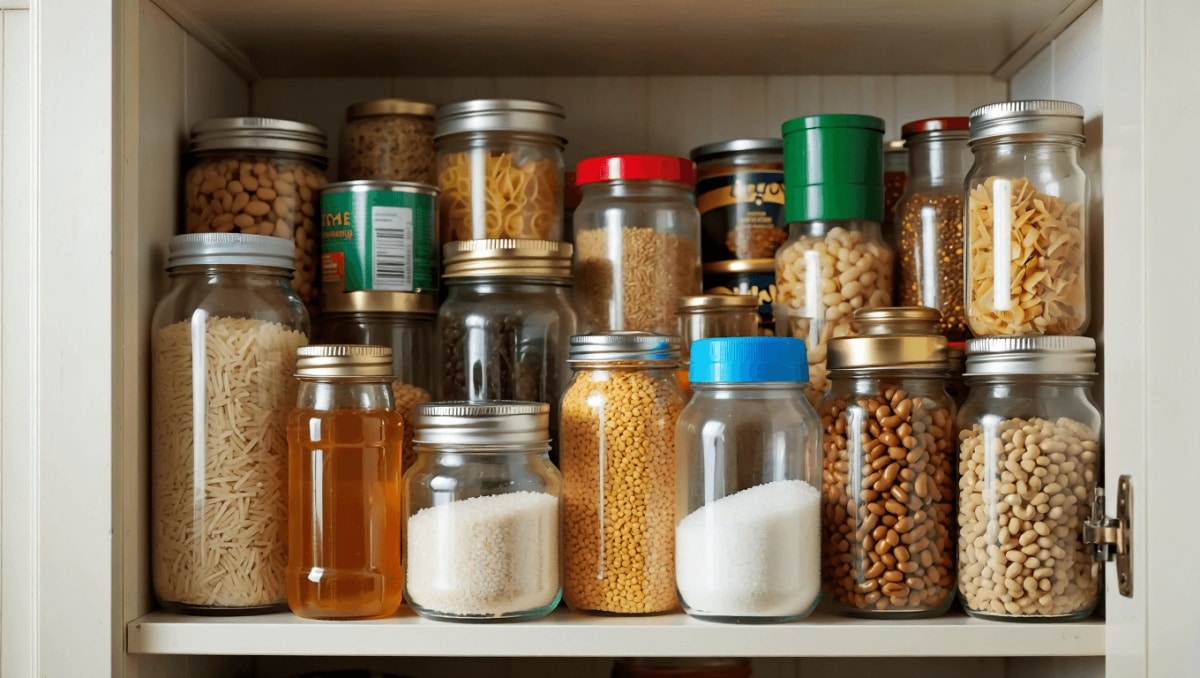
Tip: Prevent moisture exposure and use glass jars or high-quality plastic containers to extend shelf life.
Grains, pasta and legumes that last for decades
Staples made from grains and pulses are inexpensive, nutritious and highly durable.
- White rice: Properly sealed, white rice can remain usable for decades. Keep it dry and rodent-proof.
- Dry pasta: Stored in airtight jars, dried pasta remains good for years and keeps its texture when cooked.
- Dry legumes (beans, lentils, chickpeas): Packed away from humidity, these foods can last virtually indefinitely and are protein-rich.
- Quinoa and other ancient grains: These offer nutrition and long shelf life when kept cool and sealed.
Long-lasting snacks, baking ingredients and useful powders
These items are handy for quick meals, baking or emergency nutrition.
- Dried fruit and nuts: In airtight containers and away from heat, they remain good for months to years depending on the type.
- Dark chocolate: High-cocoa chocolate stores well for years. Surface whitening is cosmetic, not spoilage.
- Oils and ghee: Most vegetable oils keep about two years sealed and cool. Coconut oil can last much longer. Clarified butter (ghee) stays stable at room temperature for months.
- Powdered milk, egg powder and protein powders: These are compact protein sources with multi-year shelf lives when kept dry.
Canned and jarred goods: inexpensive, versatile and long-lived
Canned foods are a cornerstone of emergency and everyday pantries.
- Vegetables and legumes in cans retain nutrients and can last several years.
- Tinned fish (tuna, sardines) deliver protein and healthy fats with long shelf life.
- Pickled vegetables and preserved tomatoes give flavor and variety for months or years.
Safety note: Inspect cans before use. Bulging lids, rust or deep dents can indicate contamination.
Herbs, spices and flavorings that quietly endure
Dried seasonings lose strength, not safety. They are still usable long after peak flavor fades.
- Whole spices and dried herbs: Keep them in opaque, airtight jars to slow aroma loss.
- Black pepper, cumin, cinnamon, oregano: These staples add flavor with minimal storage fuss.
Pro tip: Store spices away from the stove and sunlight to preserve oils and aroma.
Root vegetables and other oddly durable fresh items
Not all long-life foods are packaged. Some fresh produce stores well without refrigeration.
- Potatoes: In a cool, dark, ventilated place they keep for weeks to months.
- Onions and garlic also last a long time when kept dry and ventilated.
How to store non-perishables for maximum longevity
Good storage practices multiply shelf life. A few simple rules go a long way.
- Control moisture: Water is the main enemy. Use airtight containers and desiccants if needed.
- Keep it cool and dark: Temperatures under 20°C and out of direct light slow chemical breakdown.
- Use appropriate containers: Glass jars, metal tins or food-grade buckets beat cardboard and thin plastic.
- Label and rotate: Mark purchase dates and use older items first. First in, first out saves waste.
- Check before using: Strange smells, discoloration or texture changes are red flags, even if dates look fine.
Why a long-life pantry matters
Waste reduction and environmental gain
Non-perishables help cut household food waste. When food lasts, fewer trips end with leftovers tossed out.
Cost savings and smarter shopping
Buying staples in bulk or on sale lowers unit costs. A stocked pantry reduces impulse buys and frequent supermarket visits.
Preparedness for disruption
Whether it’s a short emergency or a busy week, having shelf-stable foods ensures balanced meals without last-minute runs.
Common mistakes to avoid with long-life food supplies
- Relying only on printed dates: Many shelf-stable foods remain edible after “best by” dates. Inspect before discarding.
- Keeping items in cardboard: Cardboard absorbs moisture and pests. Transfer to sealed jars or bins.
- Failing to rotate stock: Old items can be forgotten. Note purchase dates and plan meals around older supplies.
- Mixing storage environments: Don’t keep dry goods near heat sources like ovens or boilers.
Quick pantry checklist: essentials to keep on hand
- Sugar (white and brown)
- Salt (table, coarse or sea)
- Vinegar (white, cider, balsamic)
- Honey
- Cornstarch
- White rice
- Dry pasta
- Beans, lentils, chickpeas
- Quinoa
- Dried fruit and assorted nuts
- Canned vegetables and tinned fish
- Dried herbs and spices
- Dark chocolate
- Stable oils and ghee
- Powdered milk, powdered eggs or protein powder
- Potatoes, stored cool and ventilated
Share your pantry habits and learn from others
Which non-perishable items would you never run out of? Swapping tips helps everyone build smarter, more resilient food stores.










