
Show summary Hide summary
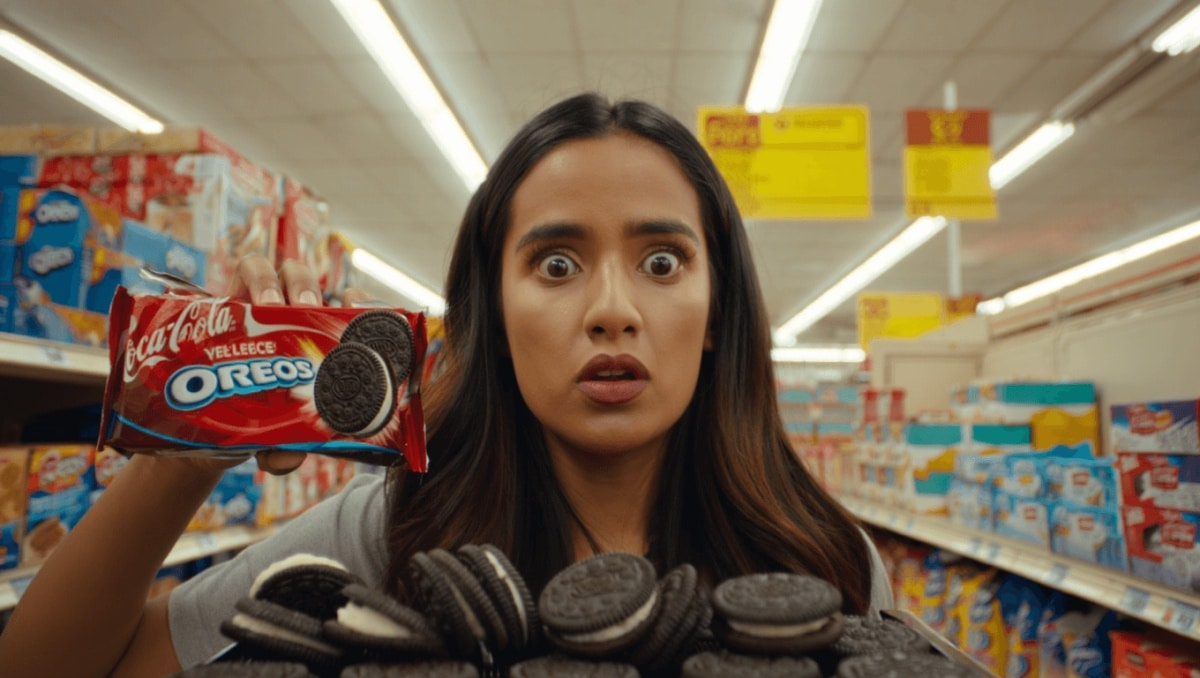
Snack aisle stunts and limited-edition mashups are capturing imaginations — and appetites — as brands roll out hybrid treats like soda-flavored cookies and dessert-inspired grilled cheeses. These gimmicks are fun to try, but researchers warn they may be a deliberate play on the brain, nudging people toward patterns of overconsumption.
Why hybrid snacks feel irresistible
Food companies intentionally blend novelty with familiar flavors to spark curiosity. When a known brand meets a surprising twist, people feel compelled to sample it.
Eggs every day for months: simple check reveals shocking blood test result
Popular childhood food ingredient may raise adult anxiety: study
- Novelty triggers attention and exploration.
- Familiarity taps into comfort and memory.
- Together, they spike interest and repeat purchases.
These combinations aren’t accidental marketing — they exploit the same reward circuits that make us seek more. Dopamine surges reinforce the behavior, making a one-time treat into a repeated habit.
Understanding ultra-processed foods and their risks
Ultra-processed foods, or UPFs, are engineered products high in refined carbs, fats, salt and added sugars. They are convenient and hyper-palatable, but poor in fiber and essential nutrients.
Health consequences linked to high UPF intake
- Weight gain and obesity
- Increased risk of Type 2 diabetes and heart disease
- Higher likelihood of certain cancers
- Gut microbiome disruption and chronic inflammation
- Association with premature mortality in population studies
In many countries, UPFs now make up a large portion of daily calories. That shift has public-health consequences far beyond occasional indulgence.
Why UPFs resemble addictive products
Scientists recently compared UPFs to tobacco, noting surprising overlaps in design and effect.
- Both are industrially produced to deliver intense sensory experiences.
- They provide a fast, predictable dose of the compounds that drive repeat use.
- Sensory cues — taste, aroma and texture — trigger craving and routine consumption.
- High-intensity but short-lived rewards encourage repeated seeking.
- Major corporations have moved between tobacco and food sectors, linking marketing expertise and distribution power.
The parallel suggests UPFs are not merely “food” in the traditional sense, but engineered stimuli designed to maximize repeat buying.
How product variation keeps people buying
Small formula tweaks create a steady stream of “new” offerings that feel different but share the same nutritional profile.
- Flavor variations (barbecue, sour cream, hot honey).
- Texture shifts (extra crunch, creamier filling).
- Limited-edition mashups that generate social buzz.
These tactics maintain attention and justify repeat purchases. Consumers chase novelty, while manufacturers reuse the same calorie-dense base.
Policy ideas to curb harm and promote real food
Public-health researchers propose treating UPFs with similar controls used against tobacco when evidence supports risk.
- Restrict advertising, especially to children and in schools.
- Introduce taxes on highly processed products.
- Limit availability in hospitals, schools and public institutions.
- Strengthen labeling to show processing level and harms.
- Pursue legal action over deceptive health claims.
Regulatory action coupled with promotion of minimally processed foods is viewed as the most promising route.
Practical steps for shoppers who want to eat less processed food
- Scan ingredient lists: fewer additives and shorter lists are better.
- Choose whole foods: fruits, vegetables, legumes, whole grains and lean proteins.
- Cook more at home to control flavors and ingredients.
- Plan meals so novelty marketing has less influence.
- Be skeptical of “limited-time” mashups and novelty packaging.
Understanding how taste engineering and marketing work can help people resist impulse buys. Small behavior changes reduce exposure to products designed to keep you coming back.










