
Show summary Hide summary
- From hospital wards near Nagasaki to modern curiosity: the miso anecdote
- What lab studies say about miso and radiation
- Active compounds: how miso may fight tumors
- Nutrition profile: why miso is more than flavor
- Potential brain and aging benefits linked to traditional Japanese foods
- How to incorporate miso safely and effectively
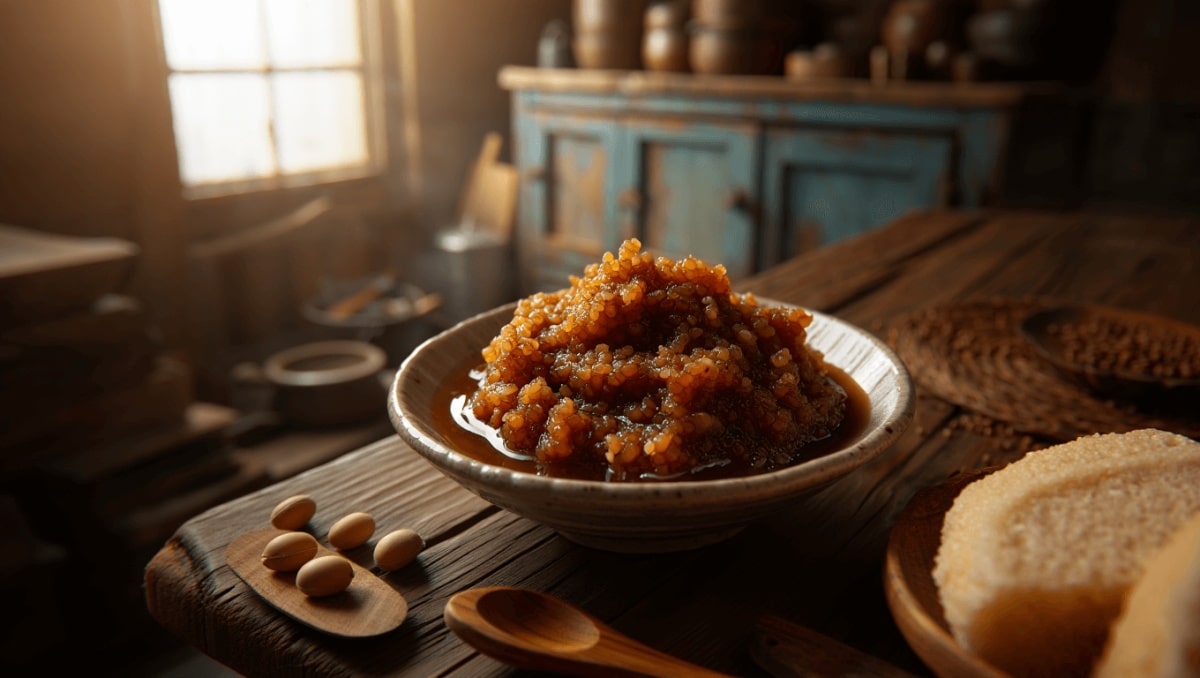
When survivors of the Nagasaki bombing found resilience in simple meals, researchers took notice. A traditional Japanese paste made from fermented soybeans has been linked to reduced harm from radiation and to several promising health benefits. Its story mixes wartime observation, lab studies and modern nutrition science.
From hospital wards near Nagasaki to modern curiosity: the miso anecdote
In 1945, a doctor working within a mile of the blast observed an unusual pattern. Physician Tatuichiro Akizuki and many around him did not develop the acute radiation sickness that afflicted others.
Eggs every day for months: simple check reveals shocking blood test result
Popular childhood food ingredient may raise adult anxiety: study
Akizuki attributed much of that protection to daily bowls of miso soup, often garnished with wakame seaweed. That observation became an early spark for scientists to ask whether traditional foods could influence radiation effects.
What lab studies say about miso and radiation
Researchers later tested miso in controlled experiments, mostly using mice. Results suggested that miso can reduce damage after radiation exposure, but with limits.
- Timing matters: a sustained presence of miso components in the body produced stronger effects.
- Fermentation length influenced outcomes; longer-fermented miso sometimes showed greater benefits.
- Protection in animals did not translate into a single, definitive “cure” for radiation.
These studies point to a measurable biological effect, not a magical shield.
Active compounds: how miso may fight tumors
Beyond radiation, elements in fermented soy appear to interfere with tumor growth. One compound, genistein, is a well-studied soy isoflavone.
Genistein can limit the blood vessels that feed tumors, a process called anti-angiogenesis. By choking off blood supply, tumors may shrink or stop growing while healthy tissue is spared.
Animal studies reported suppression of lung, breast and liver tumors after exposure to miso-related compounds. While promising, these findings are preliminary and mostly preclinical.
Other biological mechanisms under study
- Antioxidant activity that scavenges free radicals created by radiation.
- Immune modulation that alters inflammation and repair pathways.
- Probiotic effects from fermentation that support gut health.
Nutrition profile: why miso is more than flavor
Miso is a nutrient-dense paste rich in protein, fermented microbes and umami compounds. It adds taste while contributing potential health value.
Probiotics from miso help digestion and may support a balanced microbiome. The paste also provides plant-based protein and minerals from soy and salt.
Potential brain and aging benefits linked to traditional Japanese foods
Observational research on Japanese diets ties regular consumption of miso, seaweed, green tea, pickles and mushrooms to healthier aging.
- Some studies link these foods to lower dementia risk.
- Fermented items may influence gut-brain signaling.
- Polyphenols and vitamins in the diet support neuronal health.
Combining miso with seaweed and green tea is a culturally rooted pattern that modern science is gradually unpacking.
How to incorporate miso safely and effectively
Miso is versatile and easy to add to meals. Keep a few practical tips in mind:
- Choose aged miso for deeper flavor and possibly stronger fermentation benefits.
- Do not boil miso; add it at the end of cooking to preserve probiotics.
- Balance sodium by using low-salt broths and more vegetables.
- Pair miso with seaweed, mushrooms or green tea for complementary nutrients.
Anyone undergoing cancer treatment or with specific health conditions should consult medical providers before making dietary changes that could affect therapy.










