
Show summary Hide summary
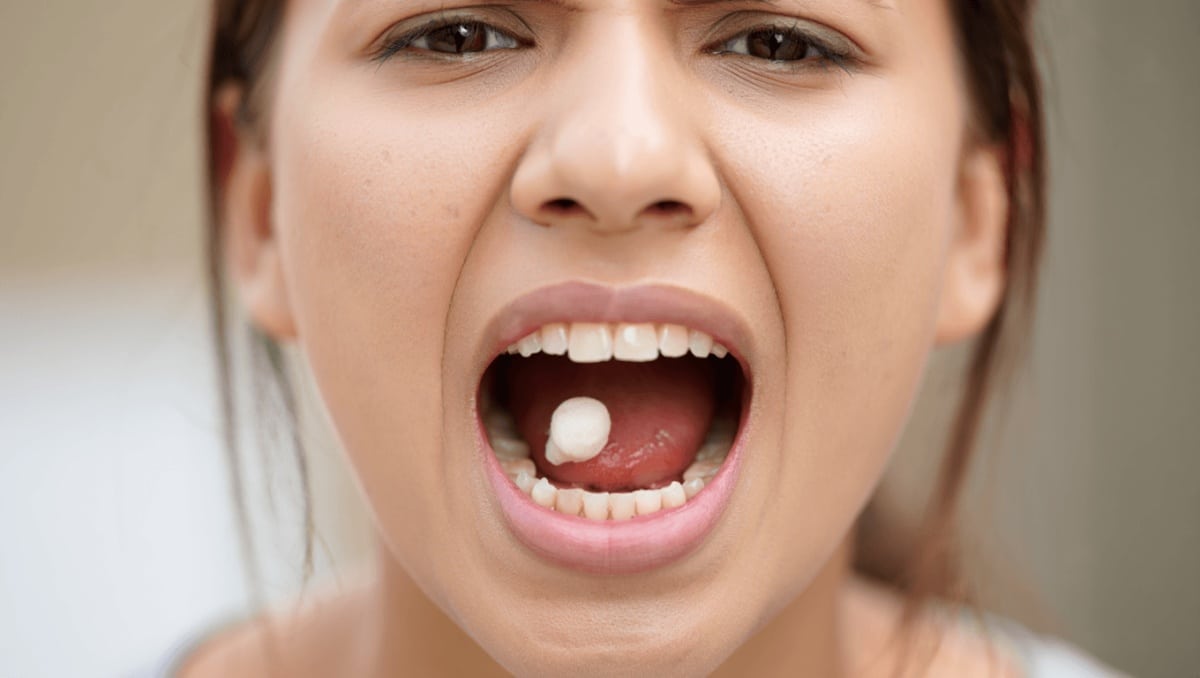
Waking up to a tiny, foul-smelling white lump at the back of your throat can be unsettling. Many people experience this surprise, and while it feels embarrassing, it often points to a common, treatable issue.
What these little white lumps really are
Those small, chalky nodules are most often tonsil stones, also called tonsilloliths or caseum. They form in the folds and pockets of your tonsils. The tonsils help your immune system, but their surface is irregular.
Eggs every day for months: simple check reveals shocking blood test result
Popular childhood food ingredient may raise adult anxiety: study
- Small crevices, known as crypts, trap food particles, dead cells, and mucus.
- Over time these materials clump together and harden into visible stones.
- Not everyone develops them; anatomical differences in tonsil shape play a role.
Why tonsil stones smell so bad
The odor is often the most disturbing part. Inside a stone, oxygen is limited. That creates a perfect habitat for anaerobic bacteria. These microbes break down trapped debris and emit volatile sulfur compounds.
- These sulfur compounds are the same chemicals behind persistent bad breath.
- Brushing your teeth may reduce mouth odor, but it doesn’t always reach the hidden pockets of the tonsils.
- So stones can keep smells alive even after normal oral care.
Debunking the hygiene myth
There’s a common assumption that tonsil stones mean poor cleanliness. That’s not accurate.
They aren’t a sign of bad hygiene. People with excellent oral care can still get them.
- The main factor is the anatomy of the tonsils — deeper or more numerous crypts increase risk.
- Other contributors include dry mouth and certain diets.
Practical daily steps to reduce recurrence
Small habits can make a big difference. Implementing a few simple routines often prevents stones from forming.
- Improve oral care: brush twice daily, floss, and use an antibacterial mouthwash.
- Try warm saltwater gargles to loosen and flush debris from the tonsils.
- Stay well hydrated to discourage the bacterial growth that follows a dry mouth.
- Avoid very sticky or highly processed foods that can cling to tonsil crypts.
When the issue needs professional attention
Most tonsil stones are harmless. But some signs warrant medical evaluation.
- Persistent or severe throat pain.
- Frequent, large, or recurrent stones.
- Bad breath that does not improve despite care.
In these cases, a primary care provider or ENT specialist can suggest removal techniques or options such as targeted treatments. For persistent anatomical issues, surgical removal of the tonsils may be discussed.
At-home removal: safe techniques and cautions
Many people remove small stones themselves. However, caution matters.
- Gentle gargling and using a soft, irrigating device can dislodge loose stones.
- A cotton swab or clean finger may work, but avoid force or sharp tools.
- If you notice bleeding or severe discomfort, stop and consult a clinician.
Never attempt aggressive scraping or deep probing. That can damage tissue and cause infection.
Questions people often ask
Are tonsil stones contagious?
No. Stones form from your own debris and bacteria. They are not passed from person to person.
Can diet make them worse?
Certain sticky foods and high-sugar diets can contribute. Balanced meals and good hydration help.
Share your experience
Have you encountered tonsil stones? Tell us how you managed them or what worked to prevent recurrence. Your tips can help others facing the same issue.










