
Show summary Hide summary
- Who was studied and how the research was done
- How home cooking and kitchen skill were measured
- What the study found about cooking and dementia risk
- Why cooking may protect the brain
- How this fits with broader dementia prevention evidence
- Practical ideas for older adults who want to try cooking
- Limitations and what researchers still want to know
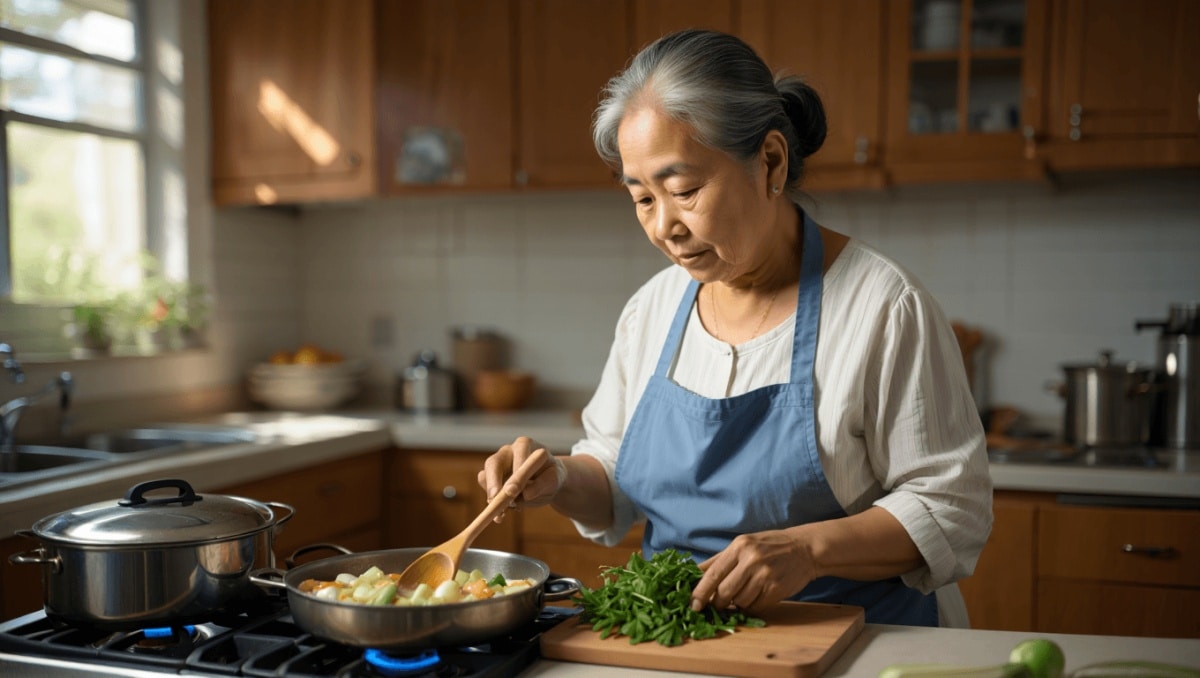
A large Japanese study suggests a simple habit may cut dementia risk for older adults: cooking at home. Researchers tracked thousands of seniors for six years and found that regular meal preparation, especially when it involves learning new kitchen skills, was linked to substantially lower rates of dementia. The findings add to growing evidence that everyday, productive activities can protect the aging brain.
Who was studied and how the research was done
The analysis used data from the Japan Gerontological Evaluation Study, following adults aged 65 and older from 2016 through 2022. The group was diverse in age, income and education. Roughly half were men, about 20% were over 80, one-third had under nine years of schooling, and around 40% were low-income.
Eggs every day for months: simple check reveals shocking blood test result
Popular childhood food ingredient may raise adult anxiety: study
Researchers combined the cohort survey data with Japan’s public long-term care insurance registry to identify new dementia cases over the study period.
How home cooking and kitchen skill were measured
Participants reported how often they cooked at home and rated their own ability at basic culinary tasks. Frequency options ranged from “never” to “more than five times a week.”
- Survey asked about mastery of seven routine kitchen tasks.
- Tasks included peeling fruits and vegetables and preparing stews.
- Respondents were grouped by cooking frequency and skill level.
What the study found about cooking and dementia risk
During the six-year follow-up, 1,195 participants were recorded as developing dementia in the linked registry data. Compared with those who cooked less often, people who prepared meals at home showed lower dementia rates overall.
The protective association varied across groups. For some, the risk was reduced by a modest amount, while others saw much larger declines. Most notably, those who were new to cooking and reported low kitchen skill experienced the biggest benefit.
Beginners who took up home cooking had about a 67% lower risk of dementia in this analysis. More experienced cooks also saw advantage, though the effect sizes were smaller.
Why cooking may protect the brain
Cognitive engagement and learning
Learning to chop, season and follow a recipe engages memory, planning and problem-solving. For novice cooks, acquiring these skills can provide strong cognitive stimulation.
Diet quality and nutrition
Home-prepared meals tend to include more vegetables and fresh foods and fewer ultra-processed items. Better nutrition may help lower vascular and metabolic risks tied to cognitive decline.
Physical activity and daily routine
Cooking involves light movement: grocery shopping, standing at a counter and moving around the kitchen. These actions add up and may contribute to preserved function.
How this fits with broader dementia prevention evidence
The results echo earlier work suggesting lifestyle changes can influence dementia risk. A prominent 2020 report estimated that addressing several modifiable risk factors could prevent or delay about 40% of cases worldwide.
This new study joins research linking gardening, volunteering, crafting and other active, productive pursuits to slower cognitive decline.
Practical ideas for older adults who want to try cooking
- Start simple: Choose recipes with few steps and easy ingredients.
- Build skills gradually: Practice peeling, chopping and one-pot meals.
- Focus on produce: Add fruits and vegetables to meals for better nutrition.
- Make it social: Cook with friends or family to add interaction.
- Prioritize safety: Use ergonomic tools and take precautions for balance and heat.
Limitations and what researchers still want to know
The authors note the study shows association, not proof of cause. Other factors may contribute to the link between cooking and lower dementia rates.
Future studies should explore whether specific cooking activities or social elements drive the benefit, and how changes in diet, movement and learning combine to support cognitive health.










