
Show summary Hide summary
- Why a short walk trumps immediate rest after meals
- Evidence that short walks stabilize blood sugar and protect metabolism
- How walking acts as a natural abdominal massage
- Gut gas has a surprising protective role
- Simple steps to build a lasting post-meal walking habit
- How social media helped normalize a private habit
- Practical cautions and who should consult a doctor
- Share your experience and tips for making it work
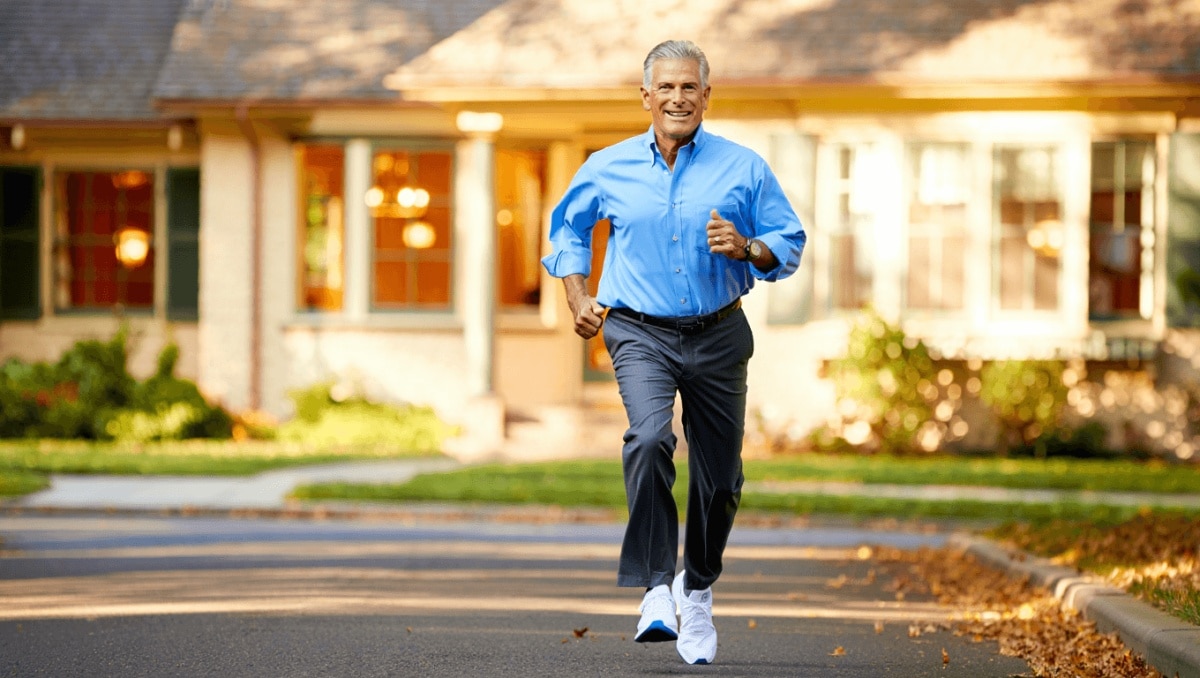
That heavy, drowsy feeling after dinner is familiar to many. Instead of collapsing on the sofa, a small change could ease your discomfort and boost long-term health. Researchers and doctors now recommend a simple habit: a brief walk right after eating. It costs nothing and takes little time, but it can transform digestion, blood sugar control and even aspects of longevity.
Why a short walk trumps immediate rest after meals
Lying down or sitting motionless after eating slows digestive work. Food and sugars linger longer in the gut. Over time, that pattern favors weight gain and metabolic stress.
Eggs every day for months: simple check reveals shocking blood test result
Popular childhood food ingredient may raise adult anxiety: study
- Moving gently after a meal helps food transit through the intestines.
- It limits nighttime fat storage and reduces the post-meal slump.
- Walking prevents the body from immediately shifting into energy-saving storage mode.
Replace the post-dinner nap with a quick stroll and you let your body continue processing the meal instead of stockpiling calories.
Evidence that short walks stabilize blood sugar and protect metabolism
Clinical research shows that light activity right after eating has measurable metabolic benefits. A notable study published in a diabetes journal found that brief walks after meals lower blood glucose more effectively than one longer workout done later.
- Ten minutes of walking after a meal can blunt blood sugar spikes.
- This effect supports the pancreas and reduces strain on arteries.
- The improvement in glucose control may last up to a day.
These changes matter more with age. After 40, glucose regulation becomes harder. Short post-meal walks are an easy strategy to reduce diabetes risk and protect cardiovascular health.
How walking acts as a natural abdominal massage
Medical experts explain the mechanics simply. Walking sets the hips and torso in motion. That motion gently encourages intestinal contractions.
Ten to fifteen minutes of steady walking can:
- Ease bloating and gas discomfort.
- Speed the passage of food through the digestive tract.
- Relieve mild constipation without medication.
Physicians call it a form of natural massaging for the gut. It’s safe, free, and usually replaces the need for laxatives in everyday situations.
Gut gas has a surprising protective role
Not all intestinal gas is a social problem. Scientists who study the microbiome have identified beneficial compounds released by gut bacteria.
- Healthy digestion produces several small gases each day.
- One molecule, hydrogen sulfide, appears to protect cells at low doses.
- These gases are markers of active, fiber-consuming bacteria.
Accepting normal gas production as part of digestion reframes the issue. What seems awkward can be a sign of healthy microbial activity and may even relate to slower cellular aging.
Simple steps to build a lasting post-meal walking habit
Making this routine stick requires no gym membership. Follow these easy tips to get started.
- Put on comfortable shoes after eating.
- Walk for 10–15 minutes at an easy, steady pace.
- Choose a pleasant nearby route to enjoy the time.
- Walk after the heaviest meal of the day, often dinner.
- Keep the stroll relaxed—avoid intense exertion immediately after large meals.
- Invite family or friends when you want company and conversation.
Do this regularly and you’ll likely notice less bloating, better sleep and more morning energy. Small, repeated actions like this compound into real health gains.
How social media helped normalize a private habit
A social creator brought attention to walking after meals and sparked a public conversation. What began as a personal routine spread quickly online. Hashtags and short videos turned a once-taboo topic into a mainstream wellness tip.
The trend did more than offer a laugh. It encouraged people to view bodily functions without shame and to adopt a low-cost habit with scientific benefits.
Practical cautions and who should consult a doctor
For most people, a gentle walk is harmless. But certain conditions require care.
- If you have severe heart disease or recent surgery, check with your physician first.
- People with dizziness, severe reflux, or mobility limits should adapt the activity.
- If digestive symptoms are intense or persistent, seek medical evaluation.
When in doubt, get personalized advice before changing post-meal routines.
Share your experience and tips for making it work
Have you tried a short walk after meals? Tell others what helped you keep the habit going. Your practical tips can make it easier for someone else to start.










