
Show summary Hide summary
- How freezing affects nutrients and flavor
- Choose whole and minimally processed frozen foods
- Spotlighting ingredients: what to avoid in frozen meals
- Sodium and added sugar: what your heart needs
- Smart frozen meal picks for busy days
- Budget and accessibility: when frozen food helps
- Practical shopping and storage tips
- Allergies and safety reminders
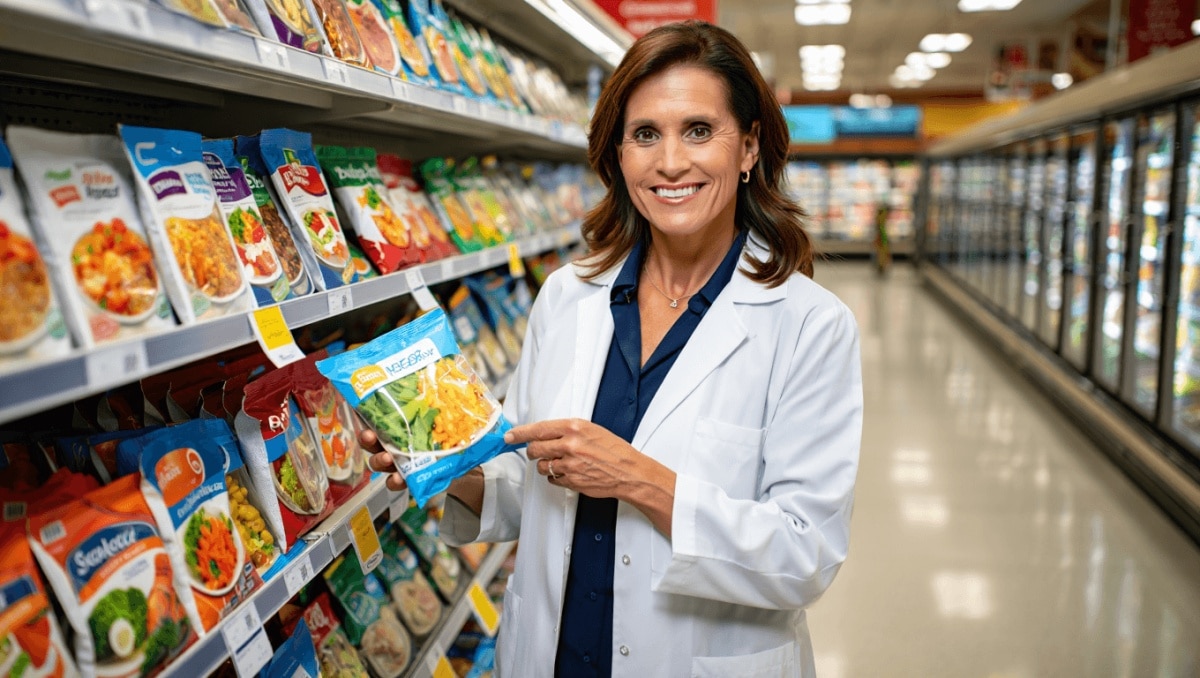
The freezer aisle has more to offer than just pint-sized indulgences. For many shoppers, frozen foods are a shortcut to convenience and savings. But are those icy packages good for your health? Registered dietitians say it depends on the ingredients and how the items were prepared.
How freezing affects nutrients and flavor
Freezing preserves food by slowing down deterioration. When fruits, vegetables and proteins are frozen soon after harvest or processing, they often keep most of their vitamins and taste. In other words, the chill itself is not the problem.
Eggs every day for months: simple check reveals shocking blood test result
Popular childhood food ingredient may raise adult anxiety: study
What matters most is what goes into the package and how it was cooked before freezing. A frozen bag of plain peas can be far healthier than a heavily sauced, microwaveable meal.
Choose whole and minimally processed frozen foods
Dietitians recommend favoring frozen items that resemble their fresh forms. These choices tend to retain more nutrients.
- Frozen vegetables and fruit without added sugar or sauces
- Plain frozen fish, chicken, or lean beef cuts
- Whole-grain frozen products such as brown rice or whole grain mixes
- Legume-based or plant-forward frozen dishes with recognizable ingredients
Spotlighting ingredients: what to avoid in frozen meals
Not all frozen products are equal. Ultra-processed frozen foods can carry high amounts of unhealthy fats, added sugars and sodium. Long ingredient lists with unpronounceable additives are a red flag.
Health risks tied to ultra-processed options
- Higher risk of obesity and Type 2 diabetes
- Links to heart disease and certain cancers
- Potential for poorer long-term health outcomes
Checking the label matters more than assuming frozen equals unhealthy.
Sodium and added sugar: what your heart needs
Sodium can add up fast in prepared frozen meals. The American Heart Association recommends consuming no more than 2,300 milligrams of sodium per day. Many frozen entrees contain a large portion of that limit in a single serving.
- Compare serving sizes carefully.
- Look for products labeled low-sodium or reduced-sodium.
- Choose plain proteins and add your own seasonings.
Smart frozen meal picks for busy days
When time is short, aim for frozen dishes made with whole ingredients. Dietitians often point to plant-forward, organic options as sensible picks. These tend to deliver fiber, vitamins and protein without excess filler.
- Veggie-forward bowls with beans or tofu for protein
- Whole-grain bases paired with vegetables and a lean protein
- Frozen dinners that list vegetables first on the ingredient line
One registered dietitian cited a frozen Mexican-style casserole bowl as an example of a balanced choice that provides both fiber and protein.
Budget and accessibility: when frozen food helps
Frozen products can stretch food budgets and reduce waste. They are especially useful when fresh produce is out of season or when safe storage is limited. For many households, frozen staples are a practical route to feeding a family nutritiously.
Practical shopping and storage tips
Follow a few simple habits to make better choices in the freezer aisle:
- Read ingredient lists and nutrition facts before buying.
- Prefer items with short, recognizable ingredient lists.
- Use frozen produce as a base and add fresh herbs or sauces at home.
- Check expiration dates and rotate your stock to avoid waste.
Allergies and safety reminders
Frozen foods are only beneficial if they are safe and suitable for the eater. If a package contains an allergen for someone in your household, it is not a good choice. Likewise, expired frozen food should be discarded.
The real “worst” frozen item is one that harms the person who eats it—due to an allergy or spoilage.










