
Show summary Hide summary
People with pica compulsively eat things no one would call food. The behavior can range from odd and harmless to life-threatening. Doctors say spotting it early can prevent severe damage.
What pica looks like in everyday life
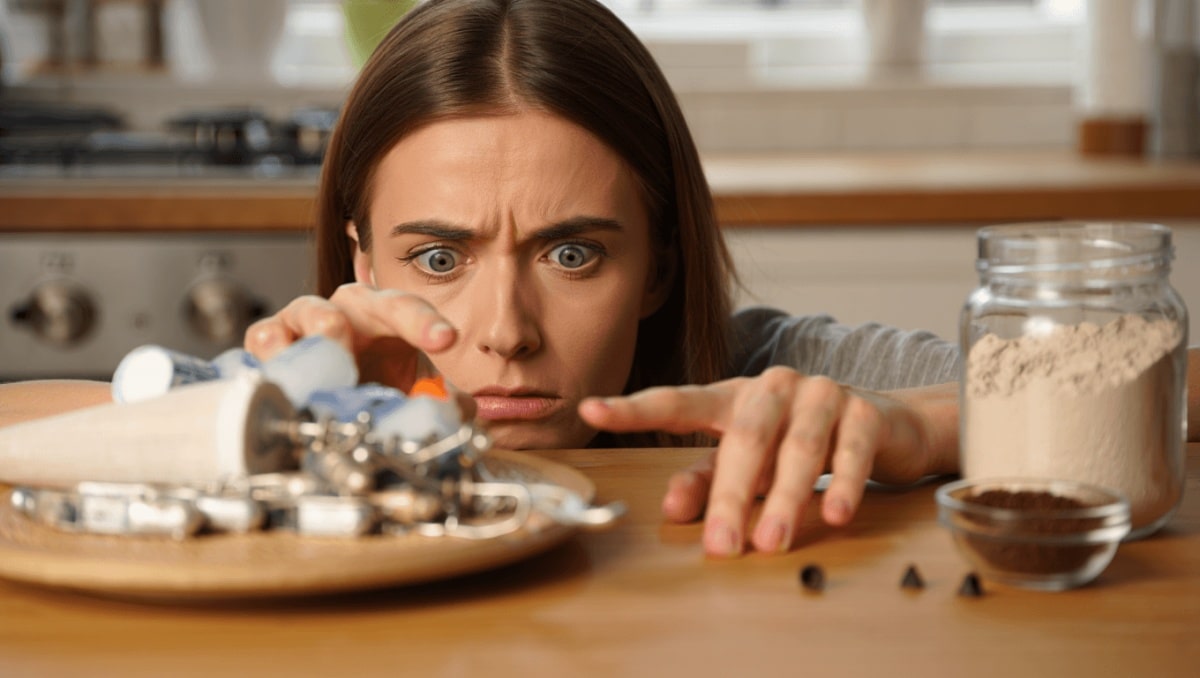
Pica involves persistent cravings for non-food items. The objects often have no nutritional value. Examples reported by clinicians include household items and materials found in playrooms and kitchens.
Eggs every day for months: simple check reveals shocking blood test result
Popular childhood food ingredient may raise adult anxiety: study
- Cleaning sponges and scrubbing pads
- Paper products such as napkins and tissues
- Clay, dirt and similar earth-based substances
- Hair, nails and fibers
- Crayons, paint chips and small toys
- Talcum powder and other cosmetic powders
Some cases gain attention because they are dramatic. One woman in the U.K. spent thousands on talc. A child in Vietnam required surgery after a hairball blocked her intestines. These stories highlight how dangerous the disorder can become.
Who develops pica and when
Pica most often begins in early childhood. It can appear at any age, however. Pregnant women are more susceptible than most adults.
- Children older than two may be diagnosed if the behavior lasts a month or more.
- Pregnant people sometimes develop cravings for non-food items.
- Individuals with developmental differences, like autism, show higher rates.
Diagnosis requires persistence of the behavior beyond normal mouthing in toddlers. Clinicians also consider cultural practices before labeling the habit as pica.
Underlying causes and risk factors
There is rarely a single cause. Biological, psychological and environmental influences interact.
- Nutritional deficiencies: Low iron or zinc often accompany pica.
- Neurodevelopmental conditions: Autism and intellectual disability increase risk.
- Mental health issues: Anxiety disorders and obsessive-compulsive tendencies can drive the behavior.
- Environmental stressors: Poverty, neglect or chaotic living conditions may contribute.
Behavioral reinforcement also matters. If eating a non-food item soothes anxiety or provides a sensory reward, the action can become habitual.
How doctors evaluate and diagnose pica
Clinicians take a careful history and ask about the onset, frequency and triggers. They also probe for nutritional shortfalls and developmental concerns.
Key assessment steps
- Confirm the behavior has lasted at least one month in someone older than two years.
- Rule out culturally accepted practices that involve non-food substances.
- Screen for iron, zinc and other micronutrient deficiencies.
- Assess for coexisting psychiatric or developmental diagnoses.
Imaging or lab tests may be ordered if there are signs of poisoning, obstruction or infection.
Short- and long-term health dangers
Eating non-food items can cause a range of medical problems. The severity depends on the substance consumed and the frequency.
- Gastrointestinal blockage and perforation
- Poisoning from lead, toxins or contaminated soil
- Dental damage and chronic infections
- Malnutrition despite the appearance of eating
Children are especially vulnerable. Lead exposure from paint or dust can impair brain development. Swallowed hair can form a trichobezoar, a dense hair mass that may need surgery.
Clinicians have reported patients who ate drywall or paint chips and later showed signs of lead toxicity. Others consumed paper products that clogged the gut.
Treatment approaches that work
Pica responds well to targeted interventions, especially when identified early.
Medical and nutritional steps
- Treat iron or zinc deficiencies with supplements and dietary changes.
- Address infections or toxic exposures promptly.
- Use medications when psychiatric conditions are present.
Behavioral and therapeutic methods
- Applied Behavior Analysis (ABA) techniques for children on the autism spectrum
- Cognitive-behavioral strategies to reduce compulsions
- Environmental modifications to limit access to dangerous items
Combining medical care with behavioral therapy often delivers the best results. For many children and pregnant people, correcting nutritional needs alone reduces or stops the behavior.
Practical tips for parents and caregivers
Early action lowers the risk of serious harm. Caregivers should take observable signs seriously.
- Keep small and hazardous objects out of reach.
- Monitor for sudden cravings or unusual eating patterns.
- Bring any persistent non-food eating to a clinician’s attention.
- Request blood tests if you suspect deficiency or poisoning.
Healthcare providers stress that pica is not merely strange behavior. It is a clinical sign that often points to unmet medical, nutritional or psychological needs.










