
Show summary Hide summary
- Aisha Tyler’s family moment that sparked a health alarm
- Why hypertension deserves your attention
- How the experience changed Tyler’s habits
- Recognizing stroke signs and acting fast
- Evidence-based steps to lower blood pressure
- The role of public voices in promoting prevention
- What families should discuss and monitor
- When to see a doctor and what to expect
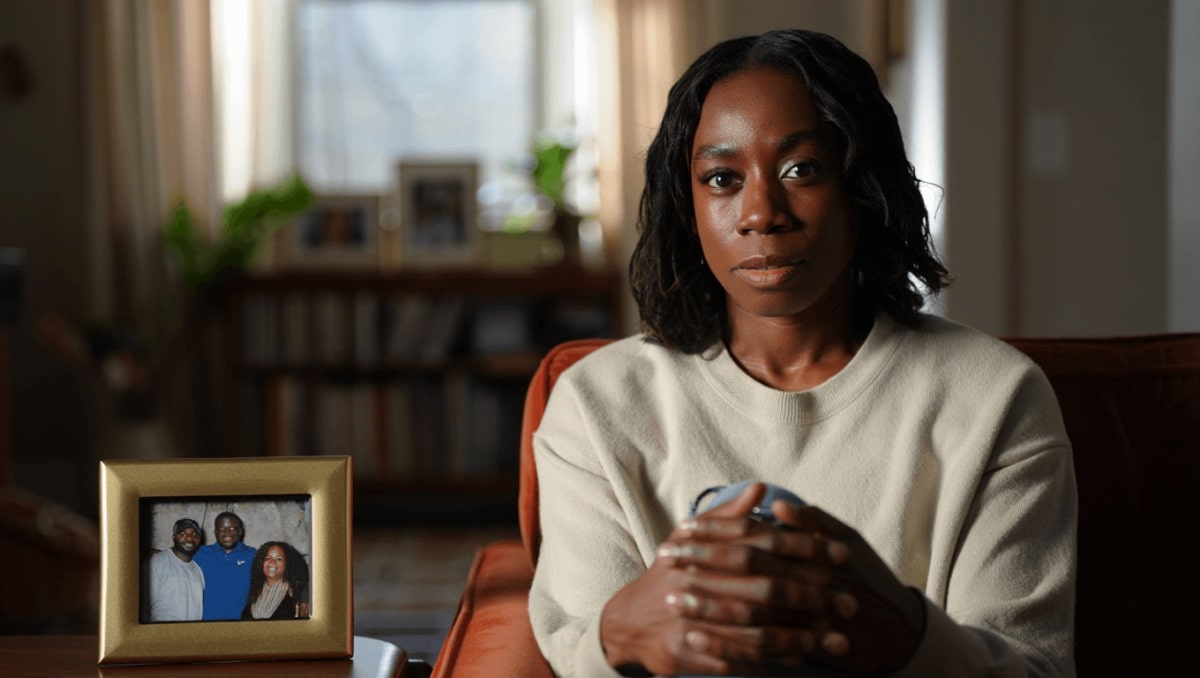
Aisha Tyler opened up about a personal family crisis that reshaped how she thinks about blood pressure and stroke risk. Her father’s sudden stroke became a wake-up call, turning private concern into public conversation about hypertension and prevention.
Aisha Tyler’s family moment that sparked a health alarm
The actor and host described the shock of seeing a loved one stricken by a stroke. That moment forced her to look past assumptions and learn the facts about high blood pressure.
Eggs every day for months: simple check reveals shocking blood test result
Popular childhood food ingredient may raise adult anxiety: study
Seeing a family member suffer compelled her to act, from routine screenings to talking more openly about cardiovascular risk.
Why hypertension deserves your attention
Hypertension often shows no symptoms, yet it raises the risk of stroke, heart disease, and other complications.
- Silent danger: People may feel fine while their blood vessels are under strain.
- Long-term harm: Uncontrolled blood pressure damages organs slowly over years.
- Modifiable risk: Lifestyle and medication can lower risk dramatically.
How the experience changed Tyler’s habits
After her father’s stroke, Tyler adopted concrete steps to manage cardiovascular risk.
- More frequent blood pressure checks at home and with clinicians.
- Prioritizing diet and exercise to support heart health.
- Asking family members about medical history, including early heart disease.
Her story shows that awareness leads to action. Small, consistent changes can make a big difference.
Recognizing stroke signs and acting fast
Knowing symptoms saves lives. Medical teams stress rapid response for best outcomes.
- Face drooping: One side of the face appears uneven.
- Arm weakness: One arm drifts down when raised.
- Speech difficulty: Slurred or confused speech.
- Call emergency services immediately if any sign appears.
Additional red flags
- Sudden numbness or weakness, especially on one side.
- Severe, unexplained headache.
- Vision problems or sudden dizziness.
Evidence-based steps to lower blood pressure
Clinicians recommend a mix of lifestyle and medical strategies to control hypertension.
- Monitor blood pressure regularly and share readings with your doctor.
- Adopt a heart-healthy diet rich in fruits, vegetables, and low in sodium.
- Aim for regular aerobic activity, about 150 minutes per week.
- Limit alcohol, avoid tobacco, and maintain a healthy weight.
- Take prescribed medications as directed and discuss side effects openly.
Consistency matters: Daily habits often determine long-term outcomes.
The role of public voices in promoting prevention
When public figures like Tyler share personal health stories, the message reaches wider audiences.
Those disclosures can prompt people to schedule screenings and discuss family history with clinicians.
What families should discuss and monitor
Open conversations about hereditary risks help identify early warning signs.
- Ask relatives about hypertension, strokes, and heart attacks.
- Document ages when relatives had cardiovascular events.
- Share this information with your primary care provider.
When to see a doctor and what to expect
If blood pressure readings are high, medical evaluation helps establish a plan.
- Expect repeated measurements and tests for organ damage.
- Doctors may recommend lifestyle changes, medication, or both.
- Follow-up visits track progress and adjust treatment.
Early detection and sustained care reduce stroke risk.










