
Show summary Hide summary
- Defining ultraprocessed foods and how they’re engineered
- Why scientists liken these foods to tobacco
- How the industry mirrors tobacco-era tactics
- Health consequences linked to frequent consumption
- Policy options being discussed worldwide
- Practical steps for consumers and communities
- The research gaps and what scientists want next
- How media and health messaging can evolve
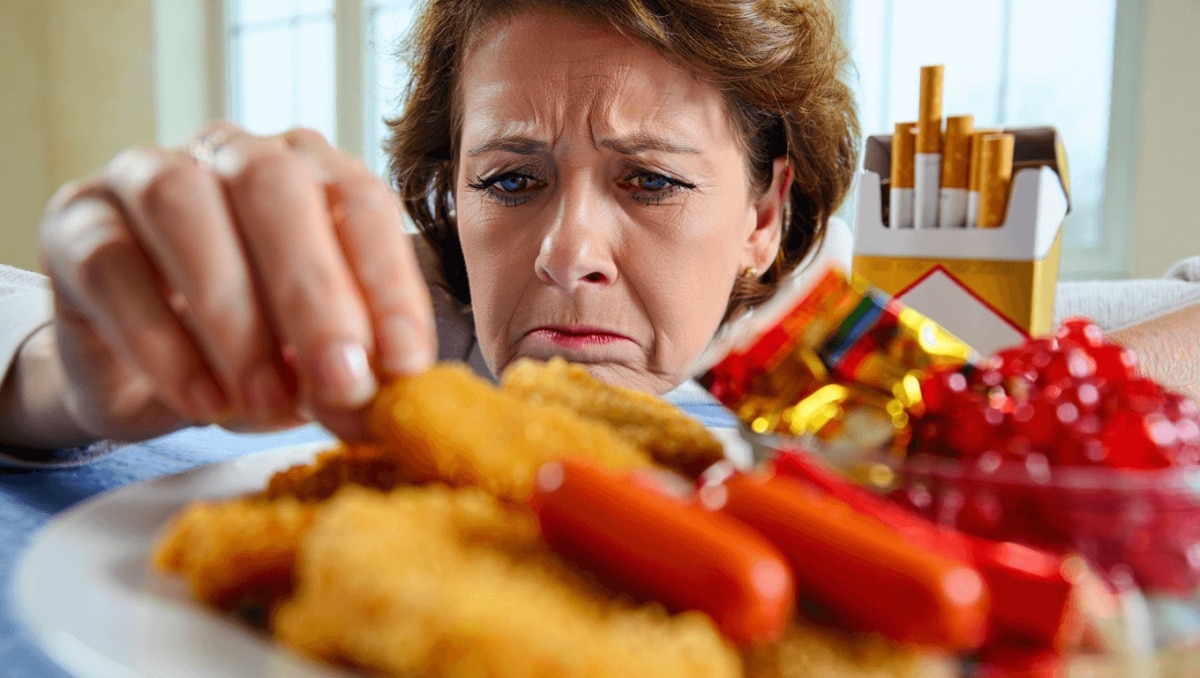
New research is sounding an alarm: ultraprocessed foods may trigger habits and brain responses similar to those caused by tobacco. Scientists point to engineered flavors, aggressive marketing and industry tactics that promote consumption, especially among children. The debate is shifting from nutrition to addiction and regulation.
Defining ultraprocessed foods and how they’re engineered
Ultraprocessed foods are products far removed from their original ingredients. They often contain industrial additives, artificial flavors and emulsifiers. These items are designed to be cheap, stable and highly palatable.
Eggs every day for months: simple check reveals shocking blood test result
Popular childhood food ingredient may raise adult anxiety: study
- Common examples: sugary sodas, ready meals, flavored snacks, instant noodles and many breakfast cereals.
- Typical ingredients: refined starches, hydrogenated oils, high-fructose syrups and flavor enhancers.
- Manufacturing goal: maximize taste, shelf life and repeat purchases.
Why scientists liken these foods to tobacco
Researchers highlight patterns that resemble tobacco’s playbook. Ultraprocessed foods can stimulate the brain’s reward circuitry. Repeated exposure may reinforce cravings and habitual overconsumption.
Evidence suggests UPFs can hijack reward pathways and promote compulsive eating. That parallel raises questions about individual choice versus engineered dependence.
How the industry mirrors tobacco-era tactics
Experts say some food companies use public relations, lobbying and targeted advertising in ways that echo old tobacco strategies. Those methods protect sales and delay regulation.
- Lobbying to shape nutrition policy and oppose strict regulation.
- Marketing that targets children with toys, characters and digital campaigns.
- Funding research or think tanks to cast doubt on health risks.
- Product reformulation marketed as healthier while retaining addictive features.
Health consequences linked to frequent consumption
Growing consumption of ultraprocessed items correlates with rising rates of obesity and related diseases. Evidence links these products to Type 2 diabetes, cardiovascular disease and some cancers.
- Weight gain and metabolic disruption from excess calories and sugars.
- Elevated risk of chronic inflammation and lipid abnormalities.
- Mental-health associations, including higher reported rates of depression in some studies.
Policy options being discussed worldwide
Policymakers are considering tools similar to those used for tobacco control. The goal is to curb consumption and protect vulnerable groups.
Measures under consideration
- Stricter front-of-pack labeling to clarify health risks.
- Taxes on sugary drinks and certain high-sugar products.
- Restrictions on marketing to children across TV and online platforms.
- Limits on sponsorships and product placement in media aimed at youth.
Some countries have already introduced sugar taxes and warning labels. Public-health advocates argue for broader action to match the scale of harm.
Practical steps for consumers and communities
Individuals and local groups can reduce reliance on ultraprocessed foods with realistic changes.
- Prioritize whole foods: fruits, vegetables, legumes and whole grains.
- Read ingredient lists; avoid products with long, industrial-sounding additives.
- Limit sugary beverages and replace them with water or unsweetened options.
- Cook more meals at home to control flavors and portions.
- Support local policies that restrict child-targeted advertising and improve school food standards.
The research gaps and what scientists want next
While mounting evidence supports concern, researchers call for more rigorous studies. They want long-term trials and clearer metrics of addictive potential.
- Better measurement of consumption patterns tied to craving and withdrawal.
- Independent research on industry influence and marketing impacts.
- Policy evaluations to test what interventions actually reduce harm.
How media and health messaging can evolve
Journalists and public-health communicators are rethinking how to report food harms. Clear, consistent messages can inform consumers without stigmatizing individuals.
- Use plain language to explain how products are engineered.
- Highlight systemic drivers, not just personal responsibility.
- Promote community-level solutions and policy change.










