
Show summary Hide summary
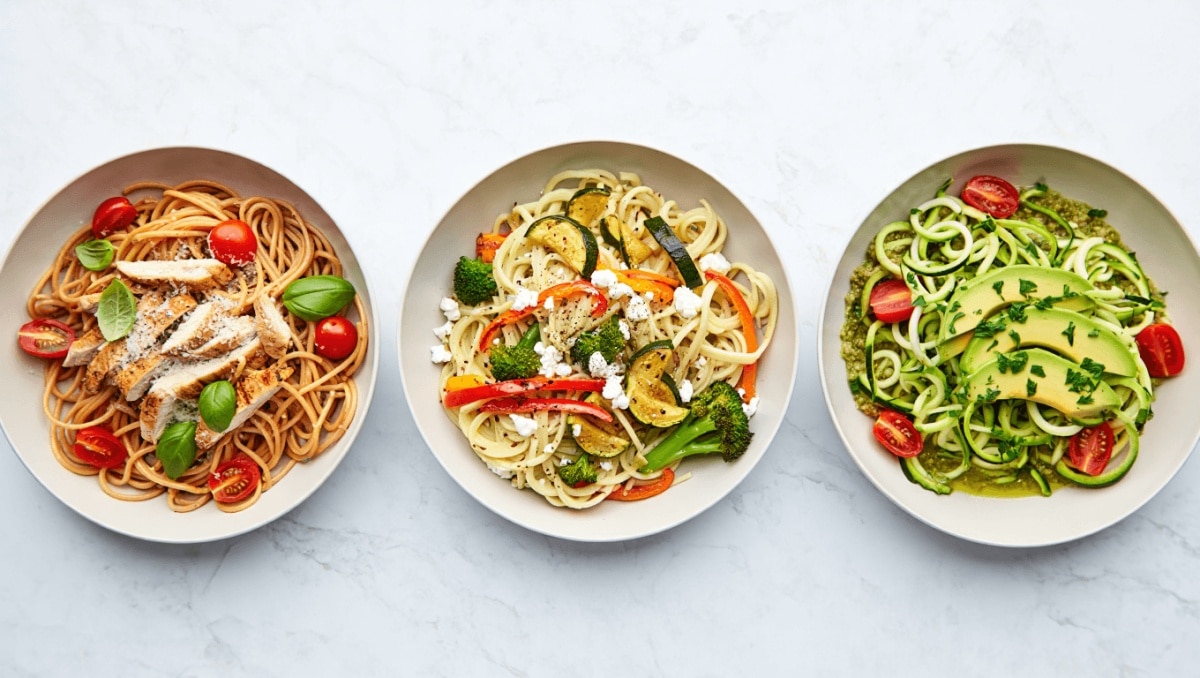
Pasta doesn’t have to be the nutritional villain it’s often made out to be. With a few smart swaps and simple pairings, everyday pasta can be filling, balanced, and kind to your blood sugar. Below are chef-friendly recipes and practical guidance to keep pasta in your menu without sacrificing health.
Why pasta still works in a healthy diet
Carbohydrates in pasta break down into glucose. That can raise blood sugar quickly when pasta is eaten alone.
Eggs every day for months: simple check reveals shocking blood test result
Popular childhood food ingredient may raise adult anxiety: study
Combining pasta with fiber and protein slows digestion. That prevents sharp spikes and helps you stay satisfied longer.
Over time, relying on refined pasta without enough vegetables or protein can lead to weight gain and metabolic strain. But small changes fix that.
Vegetable-forward primavera: bright, fiber-rich pasta
This version emphasizes vegetables to boost fiber and antioxidants. Swap veggies based on season or what you have on hand.
Ingredients (serves 4)
- 8 oz whole-wheat or legume-based pasta
- 2 tbsp olive oil
- 3 cloves garlic, minced
- 1 cup broccoli florets
- 1 cup zucchini, sliced
- 1 cup mixed bell peppers, sliced
- 1 cup cherry tomatoes, halved
- 1/4 cup reserved pasta water
- 1 tbsp lemon juice
- Salt and black pepper to taste
- Optional: fresh basil or parsley, 1/4 cup grated Parmesan
How to make it
- Boil the pasta in salted water until al dente; reserve some cooking water.
- Warm olive oil and lightly sauté garlic for about a minute.
- Add broccoli, zucchini, and peppers; cook until tender, 5–7 minutes.
- Stir in cherry tomatoes for 1–2 minutes to warm through.
- Toss pasta with lemon juice and a splash of reserved pasta water to loosen the sauce.
- Season, then finish with herbs and Parmesan if desired.
Protein-boosted Mediterranean chickpea pasta
Legume-based ingredients add protein and fiber. That slows carb absorption and stretches satiety.
Ingredients (serves 4)
- 8 oz whole-wheat or chickpea/lentil pasta
- 1 tbsp olive oil
- 3 cloves garlic, minced
- 1 (15 oz) can chickpeas, drained and rinsed
- 3 cups fresh spinach (or 1 cup frozen, thawed)
- 1 cup cherry tomatoes, halved
- 1/4 cup reserved pasta water
- 1 tbsp lemon juice
- Optional: 1/4 cup crumbled feta
How to make it
- Cook pasta to al dente and save some cooking water.
- Sauté garlic in olive oil until fragrant, about 1 minute.
- Add chickpeas, spinach, and tomatoes; cook until spinach wilts.
- Mix pasta with chickpea-veggie mixture and a splash of pasta water.
- Finish with lemon juice and feta for a creamy, salty note.
Simple tomato sauce with protein-friendly finishes
A basic tomato sauce is easy to control for salt and sugar. Add modest dairy or lean meat to raise protein.
Ingredients for sauce (yields about 4 cups)
- 2 tbsp olive oil
- 3–4 cloves garlic, minced
- 1 (28 oz) can crushed no-salt-added tomatoes
- 1 (14 oz) can diced tomatoes
- 1 tsp dried oregano
- 1/2 tsp red pepper flakes (optional)
- 1/2 tsp black pepper
- 1–2 tsp balsamic vinegar or a pinch of sugar (optional)
- 1/4 cup fresh basil, chopped
- Salt to taste (or omit)
- 16 oz whole-wheat pasta
How to make it
- Sauté garlic (and red pepper flakes) in olive oil briefly.
- Add both cans of tomatoes, oregano, and pepper; simmer 15–20 minutes.
- Stir in balsamic and basil at the end.
- Serve over your pasta. Top with low-fat ricotta or turkey meatballs for more protein.
Practical swaps and serving strategies for better blood sugar control
Small adjustments make a big difference. Reach for whole-grain, legume, or high-fiber pastas when possible.
- Choose whole grains or legume pastas: they supply extra fiber and protein.
- Cook pasta al dente to reduce rapid starch digestion.
- Plate your meal with a simple ratio: one quarter protein, half vegetables, rest pasta.
- Start with greens; the fiber helps blunt carb absorption.
- Prefer low- or no-salt broths when a recipe calls for stock.
Why the plate method works
Vegetables add bulk and fiber. Proteins slow digestion. Together they prevent hunger and energy crashes.
Building meals this way helps you eat less pasta without feeling deprived.










