
Show summary Hide summary
- What these smelly throat lumps actually are
- Who is more likely to develop tonsil stones and why
- How to recognize a tonsil stone: symptoms and signs
- Safe home techniques to remove or loosen tonsil stones
- Daily habits that reduce recurrence of tonsil stones
- When to consult a doctor or ENT specialist
- Practical tips for immediate relief and long-term care
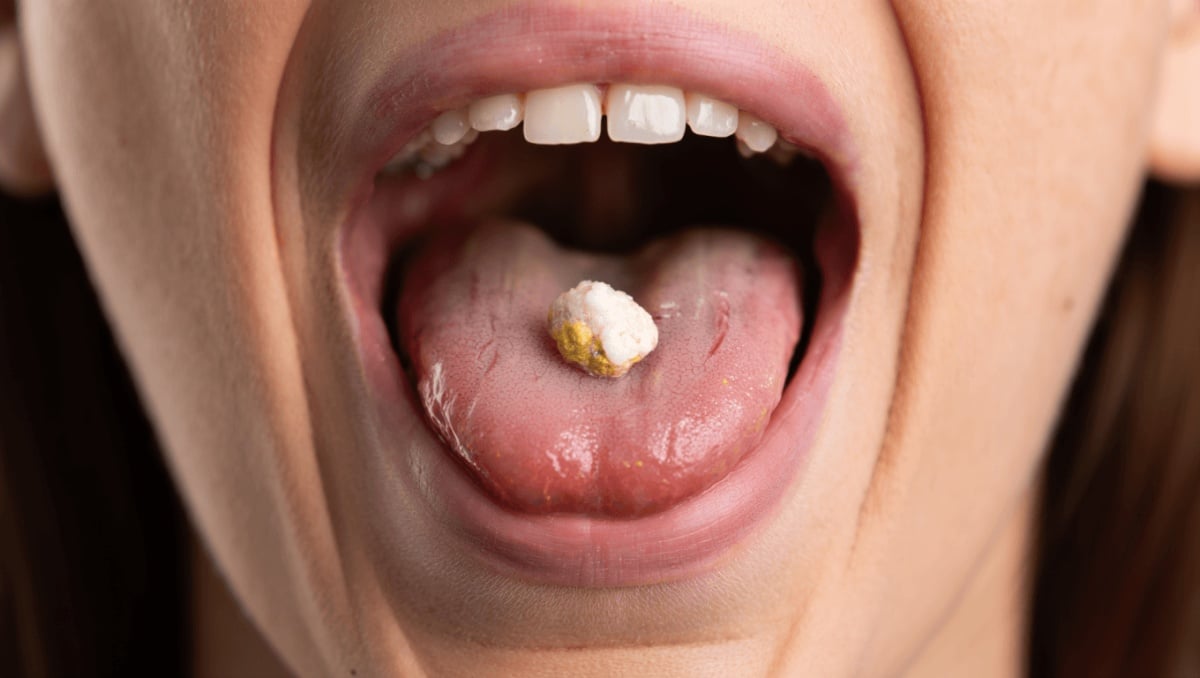
That persistent tickle at the back of your throat that feels like a stubborn breadcrumb may finally expel a tiny white or yellow lump with a foul odor. Many people encounter this odd and embarrassing issue, yet few talk about it aloud. Understanding what these little masses are and how to handle them safely can stop the problem from ruining your confidence.
What these smelly throat lumps actually are
Those tiny balls are most often tonsil stones, also called tonsilloliths or caseum. They form when debris gets trapped in the folds of the tonsils. Over time, trapped material hardens into compacted nodules.
Eggs every day for months: simple check reveals shocking blood test result
Popular childhood food ingredient may raise adult anxiety: study
- Sources: food particles, dead cells, and normal oral bacteria.
- Where: inside tiny pits and crevices known as tonsillar crypts.
- Why they smell: bacterial breakdown releases sulfur compounds. That is the source of persistent bad breath.
Who is more likely to develop tonsil stones and why
Not everyone forms them. Anatomy and biology matter most. Some people have deeper, wider crypts. Those are perfect pockets for debris to collect.
- Genetic anatomy: larger or deeper tonsillar crypts.
- Dry mouth: less saliva means less natural cleansing.
- Chronic postnasal drip or allergies: mucus flows into the throat and feeds bacteria.
- Frequent throat inflammation: tonsillitis or repeated infections can alter crypt shape.
- Oral microbiome and saliva composition: these affect how fast material calcifies.
How to recognize a tonsil stone: symptoms and signs
The most common complaint is persistent halitosis that resists brushing and mints. Other signs include a sensation of something stuck, visible white specks, mild irritation, or referred ear discomfort.
- Bad breath that returns despite oral hygiene.
- A feeling of a foreign body, like a grain or hair, lodged in the throat.
- Small white or yellow nodules seen near the tonsils.
- Occasional mild pain when swallowing or a dull ache toward the ear.
Safe home techniques to remove or loosen tonsil stones
A gentle approach is essential. Tonsils are delicate and bleed easily. Never use sharp tools or push hard with rigid objects.
- A daily saline gargle: dissolve half a teaspoon of salt in warm water. Gargle for 30 seconds and spit. Repeat twice daily.
- Use a low-pressure water flosser to irrigate the crypts. Keep pressure low and use warm water.
- Gentle tongue scraping reduces the bacterial load in the mouth.
- Stay well hydrated to maintain saliva flow and natural cleaning.
What to avoid
- Do not pick with cotton swabs, fingernails, or toothpicks.
- Do not force a stone out; this can cause bleeding and infection.
- Do not squeeze deep into the crypts — you may push debris further in.
Daily habits that reduce recurrence of tonsil stones
Small routine changes can make a big difference. Prevention focuses on keeping the mouth clean and moist.
- Brush teeth and floss diligently after meals.
- Scrape your tongue every morning to remove bacterial buildup.
- Drink water frequently and avoid long periods of mouth dryness.
- Chew sugar-free gum to stimulate saliva when appropriate.
- Treat chronic allergies or postnasal drip with a doctor’s advice.
When to consult a doctor or ENT specialist
Most tonsil stones are harmless. See a professional if the problem worsens or disrupts daily life.
- Stones recur daily or several times a week.
- Large or painful masses that affect swallowing.
- Frequent infections, bleeding, or persistent throat pain.
- Social impairment from chronic bad breath.
An ENT can offer targeted treatments. Options range from professional removal to minor procedures such as laser cryptolysis, which smooths tonsil surfaces. Tonsillectomy is rarely needed and is reserved for severe, unresponsive cases.
Practical tips for immediate relief and long-term care
- Try a warm saline gargle after meals for quick relief.
- Use a water flosser weekly to flush hidden debris.
- Keep a small travel mouthwash for emergencies.
- Discuss persistent dry mouth with your dentist or doctor.
Your tongue and saliva are key allies. Keep them healthy to limit the environment where tonsil stones develop.










