
Show summary Hide summary
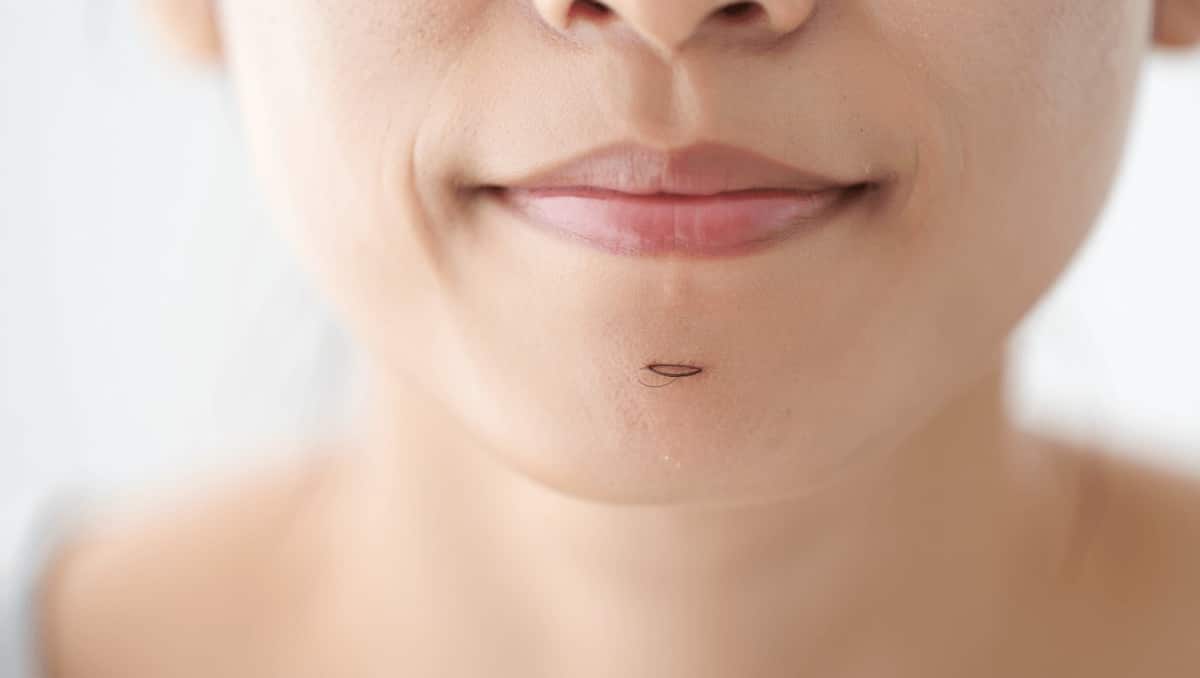
Noticed a stubborn dark hair on your chin this morning and wondered what it means? You’re far from alone. Many women see isolated facial hairs appear and assume it’s simply genetics or aging. In truth, a single stray hair can point to lifestyle patterns or shifting hormones, and understanding the causes helps you respond with smarter choices.
How stress can flip your hormone switch and trigger chin hair
Chronic stress forces the body into a prolonged “fight-or-flight” state.
Eggs every day for months: simple check reveals shocking blood test result
Popular childhood food ingredient may raise adult anxiety: study
When that happens, the adrenal glands release more cortisol. High cortisol levels can disturb the balance between estrogen and androgens.
Androgens are hormones present in women that can increase hair thickness and darkness on the face. Under ongoing stress, these hormones may become more active.
- Reduced sleep and constant pressure raise cortisol.
- More cortisol can worsen inflammation and harm metabolic health.
- Over time, these changes create a loop that favors facial hair growth.
Diet, sugar spikes and the link to hormonal imbalance
Your meals do more than fill you up. They shape hormone signaling.
Eating many highly processed foods and refined carbs causes frequent blood sugar spikes. The pancreas counters with insulin surges.
Chronic high insulin often encourages the ovaries to produce extra androgens. That mechanism is central to conditions like insulin resistance and can show up as new facial hair.
Foods that can make things worse
- Refined breads, pastries and sugary snacks
- Sugary drinks and many packaged convenience meals
- Frequent high-glycemic meals without fiber
Foods that help balance hormones
- Whole grains, legumes and fibrous vegetables
- Lean proteins and plant-based proteins
- Healthy fats rich in omega-3s, like oily fish and flax
- Seasonal produce and minimally processed options
Micronutrient shortfalls that show on your skin
Subtle vitamin and mineral deficiencies can weaken hormonal regulation.
Low levels of vitamin D, zinc or iron do not directly cause a chin hair. But they impair your body’s resilience.
When nutrient stores are low, the endocrine system struggles to keep hormones balanced. That makes small signs more visible.
If you suspect deficiencies, start with a diverse diet. A blood test can identify specific gaps before adding supplements.
Everyday habits and environmental triggers to watch
Sleep, movement and product choices matter.
- Poor sleep and inactivity affect insulin sensitivity and hormone rhythms.
- Regular gentle exercise, like brisk walking or yoga, helps regulate hormones.
- Certain chemicals in plastics, some cosmetics and household products act as endocrine disruptors.
Reducing exposure to these substances and simplifying your beauty routine can make a measurable difference over time.
Red flags that warrant a medical evaluation
Occasional stray hairs are common and usually harmless. But some signs deserve prompt attention.
- Sudden or rapid increase in facial hair.
- Unexplained weight gain or difficulty losing weight.
- Severe acne or markedly irregular menstrual cycles.
These symptoms can point to underlying conditions such as polycystic ovary syndrome (PCOS) or significant hormonal imbalance.
When you consult, a clinician may order blood tests for hormone levels, fasting glucose, and insulin. Pelvic ultrasound or referral to an endocrinologist or gynecologist may follow.










