
Show summary Hide summary
- Large supermarket survey measures beer nutrients
- Key compounds found in both alcoholic and NA beers
- Which beer styles deliver the most vitamin B6?
- Nonalcoholic beer often keeps its B6
- Why vitamin B6 in the diet matters
- How to get B6 from food and whether to supplement
- Consumer takeaways for drinkers and abstainers
A recent German analysis of supermarket beers suggests that nonalcoholic options may still deliver meaningful nutrients. Researchers measured vitamin B6 and other compounds across dozens of brands. Their results challenge assumptions about what disappears when alcohol is removed.
Large supermarket survey measures beer nutrients
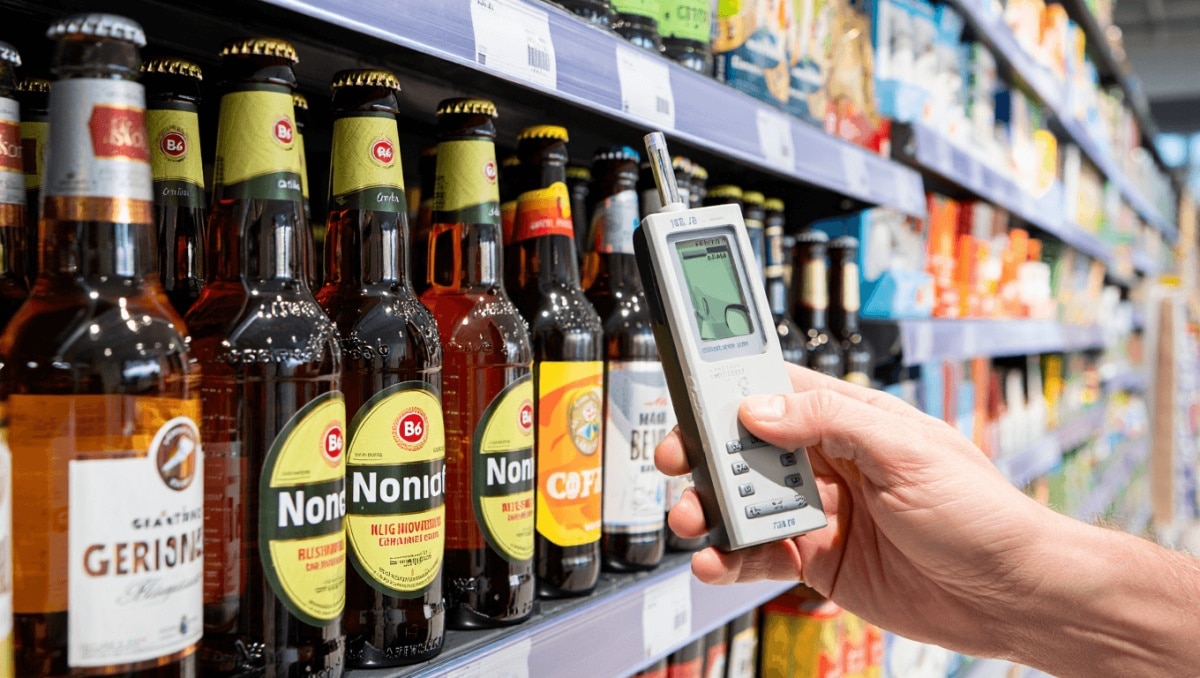
Scientists purchased 65 beers from local stores and ran lab tests on their nutrient profiles. The goal was to see which beers carry vitamin B6 and whether nonalcoholic (NA) variants keep those nutrients.
Eggs every day for months: simple check reveals shocking blood test result
Popular childhood food ingredient may raise adult anxiety: study
The team examined beers brewed from barley, wheat and rice. They also looked at different production methods, including beers made with suppressed fermentation.
Key compounds found in both alcoholic and NA beers
The analyses revealed several important components in many samples:
- Prebiotics and probiotics from yeast and fermentation byproducts.
- Polyphenols, plant-derived antioxidants coming from grains and hops.
- Various carbohydrates tied to the malt and brewing process.
- Vitamin B6, a micronutrient present in several beer styles.
Which beer styles deliver the most vitamin B6?
Beer type made a clear difference in B6 levels. The ranking went roughly like this:
- Bock and other barley-forward ales.
- Standard lagers.
- Dark lagers.
- Wheat beers.
- Rice-based beers, which had the lowest amounts.
Bock-style brews showed the highest vitamin B6 concentrations. Rice beers trailed the pack.
Nonalcoholic beer often keeps its B6
The study found no significant difference in vitamin B6 between NA beers and their alcoholic counterparts. That suggests nutrient loss is not inevitable when alcohol is removed.
However, how the alcohol is removed matters. NA beers produced by fully fermenting the beer and then removing alcohol had higher B6 than those brewed with low-alcohol yeasts from the start.
Practical example from the tests
One nonalcoholic lager in the sample supplied nearly 59% of the US recommended dietary allowance for vitamin B6. The average lager in the study provided about 20% of the RDA.
That gap shows brand and method affect nutrient yield.
Why vitamin B6 in the diet matters
Vitamin B6 supports many body functions. Low B6 status has been associated with higher risks for:
- Cardiovascular disease
- Depression
- Type 2 diabetes
- Generalized inflammation
- Certain cancers
The study authors highlight that beer ingredients like barley and brewer’s yeast are natural B6 sources.
How to get B6 from food and whether to supplement
Health agencies recommend obtaining B vitamins mainly through diet. Common B6-rich foods include:
- Fish
- Beef liver and other organ meats
- Potatoes and starchy vegetables
- Non-citrus fruits
Nutritional experts say most people do not need blanket B vitamin supplements. Exceptions include vegans and those who rarely eat meats. Some experts also note that people who avoid all beer might miss an additional dietary source.
Consumer takeaways for drinkers and abstainers
Choosing an NA beer could still add nutrients to the diet. Keep these points in mind:
- Look at ingredient lists and production claims on labels.
- Beers made from barley and those fermented fully before alcohol removal tended to retain more B6.
- Rice-based beers often contain less vitamin B6.
- Nutrition varies widely by brand and brewing method.
For shoppers seeking dietary B6, not all NA beers are equal.
Americans consume over 6 billion gallons of beer per year, so these findings could affect many drinkers and those who opt for alcohol-free alternatives.










