
Show summary Hide summary
- Fast facts: the tiny ear hole explained
- What exactly is a preauricular pit?
- How this small feature forms before birth
- How common is it and can it run in families?
- When should you worry? Signs of infection to watch for
- Medical options: from conservative care to surgery
- Diagnosis and when specialists get involved
- Daily care and practical tips
- Curiosity and context: an interesting little trait
Have you ever noticed a tiny, almost imperceptible hole just in front of someone’s ear and wondered what it is? That small mark sparks curiosity for many. It looks mysterious, but its origin and meaning are surprisingly clear once you know the facts.
Fast facts: the tiny ear hole explained
- Common name: preauricular sinus or preauricular pit.
- When it appears: present at birth, not acquired later in life.
- Cause: a minor variation in prenatal ear formation.
- Risk: usually harmless; infection is possible but uncommon.
Eggs every day for months: simple check reveals shocking blood test result
Popular childhood food ingredient may raise adult anxiety: study
What exactly is a preauricular pit?
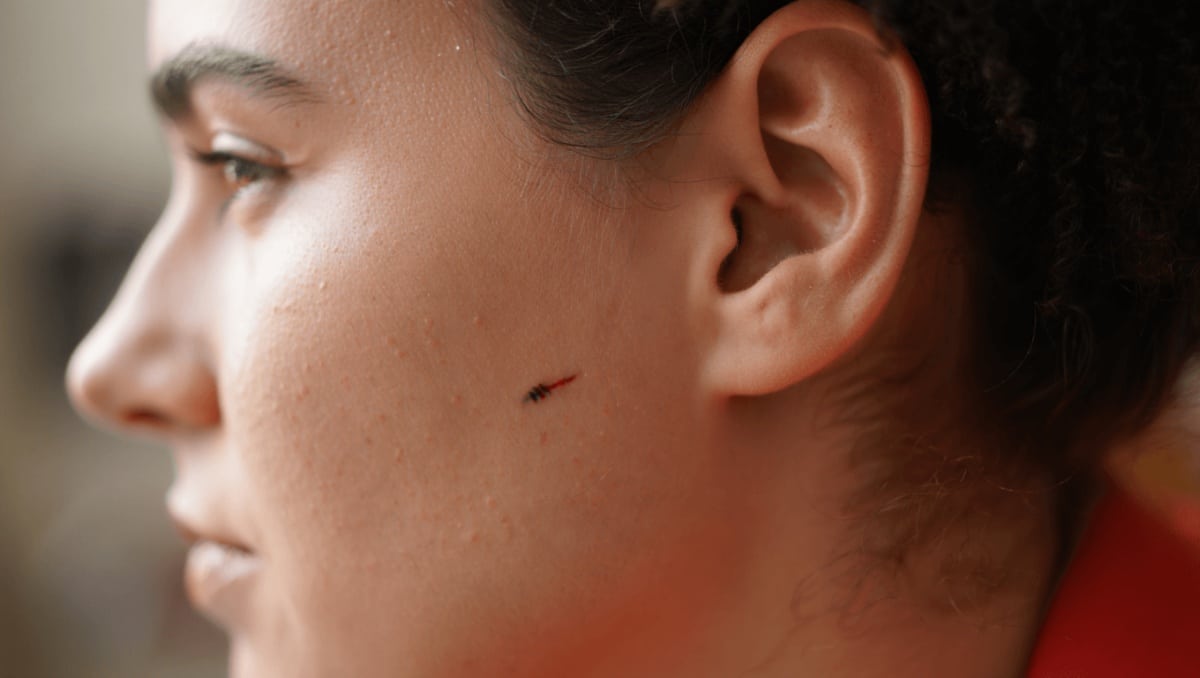
A preauricular pit is a small indentation or opening in the skin just in front of the ear. It can look like a pinpoint hole, a tiny divot, or a shallow dimple. Many people mistake it for an old piercing scar or a skin defect.
It is not a wound or a result of trauma. Instead, it is a congenital trait that some individuals are born with. It may appear on one side or both sides, and most carriers never experience any problems.
How this small feature forms before birth
During early pregnancy, the outer ear develops from several small tissue buds. These buds must fuse in a precise sequence to shape the ear.
Embryology in simple terms
- Several tiny bumps called auricular hillocks form around the developing ear.
- They join together and smooth out to create the outer ear’s contours.
- If one small tract fails to close completely, it can leave a narrow channel that reaches the skin.
This leftover channel becomes the preauricular pit. Some researchers consider it a vestigial remnant — a small trace from ancestral developmental patterns.
How common is it and can it run in families?
The trait is relatively uncommon, affecting a small percentage of people. Rates vary by population and geographic region.
- It may be more frequent in some ethnic groups.
- Familial cases occur: if a parent has a preauricular pit, the child has a higher chance of having one too.
When should you worry? Signs of infection to watch for
Most of the time, a preauricular pit causes no symptoms. However, the tiny opening can trap debris or bacteria and become infected.
Watch for these warning signs:
- Redness around the area
- Pain or tenderness
- Swelling or a visible bump
- Pus or other discharge
- Recurring skin irritation
If you see any of these signs, a healthcare visit is wise. Infections are usually treated effectively with medication or a simple drainage procedure.
Medical options: from conservative care to surgery
Treatment depends on symptoms and how often problems recur.
- Asymptomatic pits: no treatment is required.
- Initial infection: antibiotics and proper wound care often clear the issue.
- Abscess or persistent infection: minor drainage may be needed.
- Recurrent infections: surgical removal of the sinus tract is an option.
Surgical excision involves removing the entire tract under local or general anesthesia. When performed completely, it prevents repeated infections. However, it is only recommended when problems are frequent or severe.
Diagnosis and when specialists get involved
A clinician typically diagnoses a preauricular pit by inspection. No special tests are needed unless complications arise.
- If recurrent infections occur, imaging may map the tract.
- An ear, nose, and throat (ENT) specialist can evaluate complex cases.
- Genetic counseling may be suggested if the pit appears with other anomalies.
Daily care and practical tips
- Keep the area clean and dry.
- Avoid probing the pit with cotton swabs or sharp objects.
- If discharge appears, clean gently and see a doctor.
- Inform your healthcare provider if infections repeat.
Because the opening is so small, many people never notice it or need to act.
Curiosity and context: an interesting little trait
A preauricular pit is a quiet reminder of how complex fetal development is. It tells a story about tiny events that occur long before birth.
Seeing one is usually nothing to fear. It is a harmless anatomical variant for most. If you ever wonder about it on someone you know, now you have a clear, medical explanation.
Have you seen this small hole on a friend or family member? Share what you noticed or ask a question about it below.










