
Show summary Hide summary
By evening, your ankles feel swollen and your shoes pinch? Leg swelling is a common nuisance, but it can also be a clue to something more serious. Read on to learn what usually causes swollen legs, how to ease the discomfort at home, and the warning signs that require immediate medical attention.
Why legs often swell: common, harmless causes
Most episodes of leg swelling stem from simple, reversible factors. Fluids pool in the lower limbs when circulation slows or when the body retains water. These situations are usually not urgent.
Eggs every day for months: simple check reveals shocking blood test result
Popular childhood food ingredient may raise adult anxiety: study
- Prolonged sitting or standing: Remaining in one position for hours reduces the pump action of leg muscles.
- Heat: Warm weather widens blood vessels and favors fluid leakage into tissues.
- High salt intake: Extra sodium makes the body hold on to water.
- Age-related venous change: Veins lose elasticity over time, slowing blood return to the heart.
- Medications: Some blood pressure drugs, steroids, and hormone therapies can cause edema as a side effect.
When swelling could hide a serious condition
Swelling that comes with other symptoms or affects only one leg should raise concern. Under certain circumstances, it can signal urgent illness.
Clues that suggest a blood clot (DVT)
A deep vein thrombosis often presents as a sudden swelling of one leg. Look for:
- One-sided swelling
- Pain in the calf or along the leg
- Redness and warmth over the affected area
If a clot breaks loose, it can travel to the lungs and cause a life-threatening embolism.
Systemic causes that affect both legs
When both legs swell progressively, underlying organ problems may be at play:
- Heart failure: The heart no longer pumps efficiently, so fluid collects in the legs.
- Kidney disease: Impaired filtration can lead to fluid retention.
- Liver disease: Severe liver damage alters protein balance and fluid distribution.
For older adults, new breathlessness or fatigue alongside swelling deserves prompt evaluation.
Everyday actions that reduce leg swelling
When swelling is benign, small, consistent habits often bring relief. Try these practical measures.
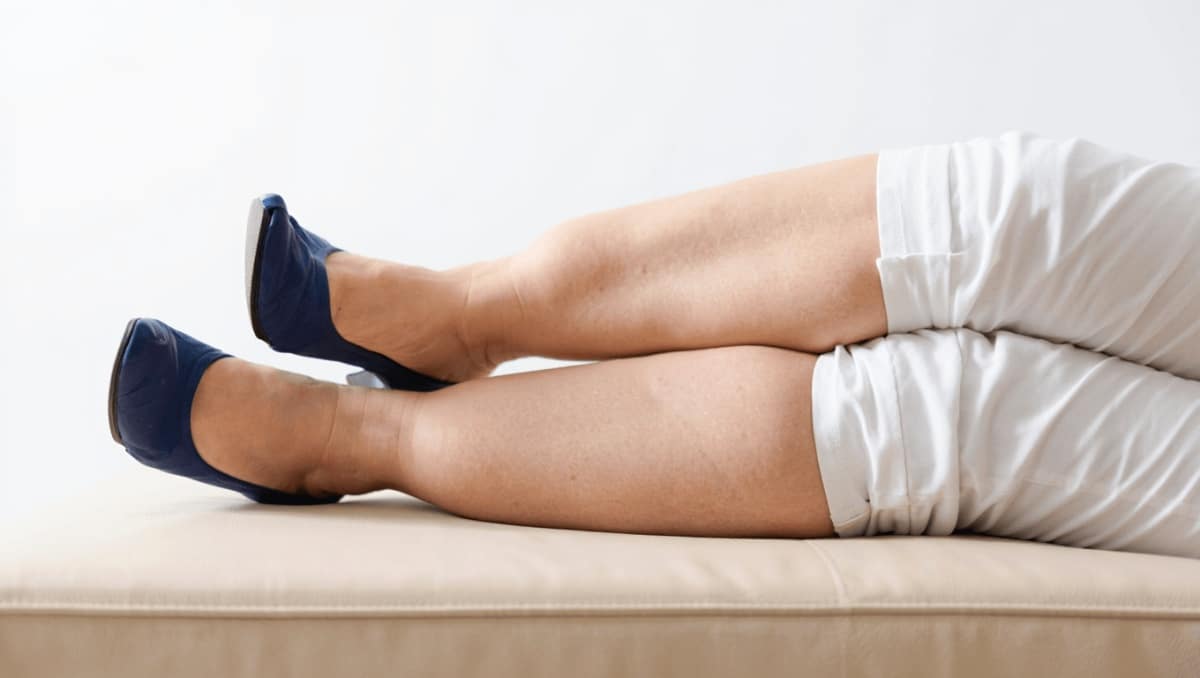
- Elevate your legs: Raise feet above heart level for 15–20 minutes, several times daily. A pillow under the calves while resting is enough.
- Keep moving: Short walks or calf exercises stimulate the muscle pump and improve venous return.
- Cut down on salt: Lowering sodium intake helps reduce fluid buildup. Aim for modest, steady changes.
- Wear compression stockings: Graduated compression supports veins and lessens swelling. Consult a pharmacist or clinician for sizing advice.
- Stay hydrated: Drinking enough water can paradoxically reduce fluid retention by improving kidney function.
When to call a doctor — and when to call emergency services
Persistent or worsening swelling should prompt medical review, especially with known heart, kidney, or liver disease. Seek immediate help if serious signs appear.
- Swelling isolated to one leg with pain
- The skin over the swollen area is red and warm
- Sudden breathlessness, chest pain, or palpitations
Call 15 (SAMU) immediately if any of these emergency signs occur. They can indicate a blood clot or another life-threatening problem.
Questions, tips and experiences from readers
Have you found a routine that helps your swollen legs? Share practical tips and what has worked for you in the comments to help others facing the same issue.










