
Show summary Hide summary
Many people turn to sleep trackers hoping for clear answers. A wrist band, a phone app, or a bedside sensor promises to quantify each night. But for people struggling with insomnia, tracking can sometimes make sleep problems worse. The data may mislead, the nightly scores can trigger worry, and the whole process can shift attention away from what helps most.
Why wearables and apps lure people with insomnia
Sleep technology offers control in a field that feels uncontrollable. After weeks of restless nights, seeing graphs and scores feels reassuring. Trackers claim to measure sleep duration, stages, and efficiency. Users can compare nights, test changes, and chase better numbers.
Eggs every day for months: simple check reveals shocking blood test result
Popular childhood food ingredient may raise adult anxiety: study
That appeal is understandable. Yet the very features that attract users can foster an unhealthy focus. When sleep becomes a performance metric, bedtime shifts from rest to task.
How tracking can unintentionally deepen insomnia
Obsession with numbers
Many users check their devices first thing in the morning. They monitor trends across days and weeks. This habit can turn curiosity into anxiety. Fixating on nightly metrics often magnifies small variations.
Inaccurate or misleading data
Most consumer devices estimate sleep from movement and heart rate. They are not medical-grade. This leads to false positives and false negatives. A device may record wakefulness as light sleep. It may miss short naps or restless moments.
When users distrust their own experience but trust the device, confusion grows. Some report feeling rested while the tracker shows poor sleep. Others feel tired even when the device reports adequate hours. Mismatches between feeling and numbers can increase stress.
Creating conditioned arousal
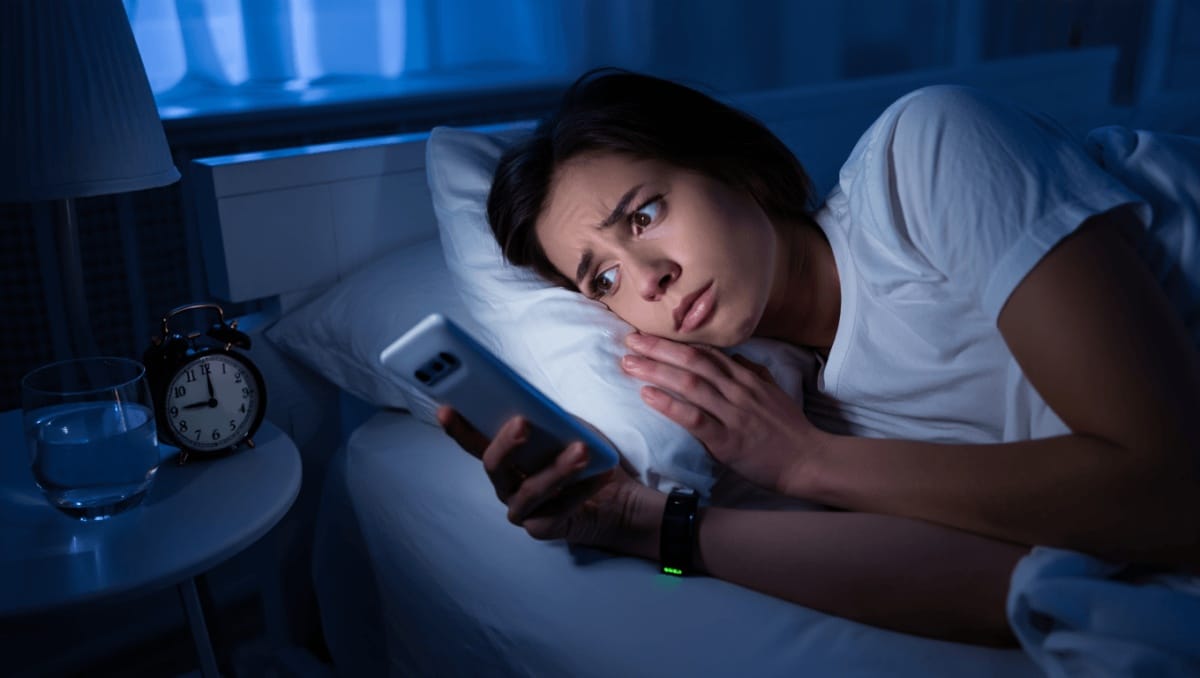
Watching the clock or a sleep score can create pressure to fall asleep quickly. That pressure is the opposite of what sleep needs. Over time, the bed and the person become linked with worry. This is called conditioned arousal.
Insomnia thrives on that worry. The more someone worries about sleep, the harder it becomes to relax enough to sleep.
Night-to-night variability and overreaction
Human sleep naturally varies from night to night. A single poor score is rarely meaningful. But trackers encourage trend-chasing. Users may change habits after one bad night. Frequent changes can destabilize sleep patterns rather than improve them.
What the research says about sleep tracking and insomnia
Studies show mixed results. For people without sleep problems, trackers can increase awareness and encourage healthier habits. For people with insomnia, evidence suggests a risk of heightened sleep anxiety.
Clinical research highlights a key point: perception matters. Insomnia often involves distorted perceptions of sleep. Devices that claim objective truth can reinforce those distortions. Professional evaluation and cognitive therapy remain gold-standard treatments.
Practical steps to avoid tracking harm
Not everyone with insomnia should abandon technology. But it helps to use trackers thoughtfully. Try these strategies:
- Limit checking: Look at your sleep data once or twice a week, not every morning.
- Use trends, not nights: Focus on long-term patterns rather than single scores.
- Turn off in-bed alerts and alarms tied to metrics.
- Compare device data with how you feel, not as an absolute truth.
- Choose devices with transparent limitations and validated algorithms.
Alternative approaches that help insomnia
Some tools work better than tracking for chronic sleep problems. These approaches target the root causes of insomnia.
- Cognitive Behavioral Therapy for Insomnia (CBT-I): A proven treatment that reduces worry and changes sleep habits.
- Sleep diaries: Brief written logs can capture context and feelings without constant scoring.
- Mindfulness and relaxation techniques: Practices that lower arousal before bed.
- Consistent sleep schedule: Regular wake and sleep times stabilize the body clock.
When to seek professional help about sleep and devices
Consider evaluation if sleep problems persist despite lifestyle changes. A clinician can help interpret symptoms and data. They can also rule out other sleep disorders.
If tracking increases anxiety or makes sleep worse, stop or reduce its use. Tell your provider about the devices and how you use them. They can suggest evidence-based treatments and safer ways to use technology.










