
Show summary Hide summary
- Seven warning signs of a possible brain aneurysm
- How these signs may present in real life
- Who is most likely to develop a dangerous aneurysm
- Simple precautions to lower your risk
- What to do if you or a loved one has these symptoms
- How doctors confirm an aneurysm
- Treatments that may be offered
- Recognizing what is not typical and when to worry
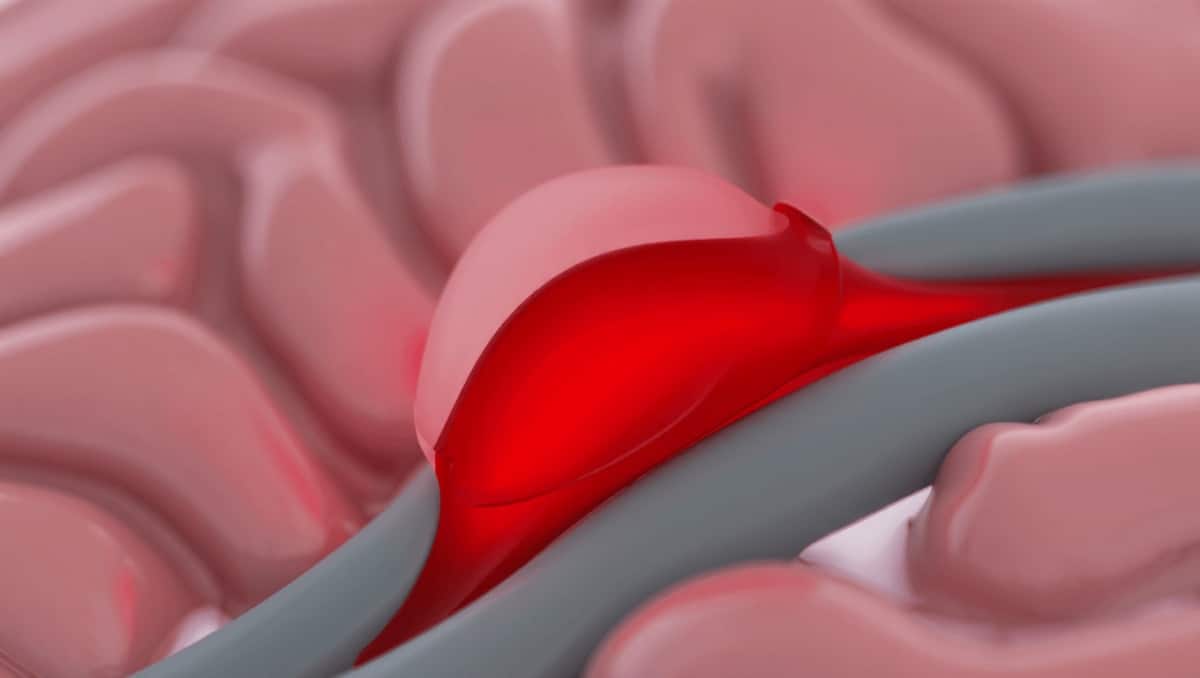
A small, balloon-like bulge in a blood vessel can grow quietly for years and then burst without warning. Learning the early, often subtle signals can mean the difference between a full recovery and a life-threatening brain bleed. Read on to learn the key signs doctors want you to know.
Seven warning signs of a possible brain aneurysm
Not all aneurysms cause symptoms before they rupture. But when warning signs appear, they are often sudden and specific.
Eggs every day for months: simple check reveals shocking blood test result
Popular childhood food ingredient may raise adult anxiety: study
- Sudden, explosive headache: A headache that reaches maximum intensity within seconds or a minute. Patients often call it “the worst headache of my life.” This suggests bleeding around the brain and is a medical emergency.
- Sharp pain behind one eye: Persistent, localized pain above or behind a single eye can indicate pressure from an expanding aneurysm on nearby nerves.
- One pupil larger than the other: A noticeably dilated pupil on one side may signal compression of the oculomotor nerve as the aneurysm enlarges.
- Double or blurred vision: Sudden changes in vision, including diplopia or sudden blurring, often accompany nerve compression near the aneurysm.
- Stiff neck: Neck rigidity, especially with a violent headache and nausea, can reflect blood irritating the membranes around the brain after a rupture.
- Nausea, vomiting and light sensitivity: These symptoms together often point to increased intracranial pressure and should not be dismissed as a simple migraine or stomach bug.
- Facial numbness or weakness on one side: Sudden drooping, numbness, or weakness in the face may indicate nerve involvement or an evolving hemorrhagic stroke.
How these signs may present in real life
Symptoms often come suddenly and may be dramatic. Other times they are subtle at first and then intensify.
- Someone might wake with a blinding headache and vomit shortly after.
- Vision changes may begin as brief double vision and worsen in hours.
- Pain behind the eye can be mistaken for sinus issues or eye strain.
Any combination of these signs occurring quickly warrants immediate medical attention.
Who is most likely to develop a dangerous aneurysm
Certain factors increase the chance that an aneurysm will form or rupture.
- High blood pressure: The top risk factor. Chronic hypertension weakens vessel walls over time.
- Smoking: Tobacco damages arteries and raises rupture risk.
- Family history: A history of aneurysms or sudden brain bleeds raises suspicion.
- Diabetes and heavy alcohol use: Both increase vascular strain and risk.
- Congenital vessel abnormalities: Some people have arterial weaknesses from birth.
Hypertension often has no symptoms. Regular blood pressure checks are essential for early detection and prevention.
Simple precautions to lower your risk
- Control blood pressure with diet, exercise, and medication when prescribed.
- Quit smoking and limit alcohol intake.
- Manage diabetes and other cardiovascular conditions.
- Ask your doctor about screening if you have a family history of aneurysms.
Using a validated home blood pressure monitor can help track trends between doctor visits.
What to do if you or a loved one has these symptoms
If you notice any of the warning signs, act quickly.
- Call emergency services immediately (911 or your local emergency number).
- Do not drive the person to the hospital yourself.
- Keep the person still and calm while waiting for help.
- Note the time symptoms began and any changes in consciousness or breathing.
Every minute counts. Rapid medical care greatly improves the chances of survival and recovery.
How doctors confirm an aneurysm
Emergency teams use imaging to diagnose or rule out bleeding.
- CT scan of the head detects acute bleeding quickly.
- CT angiography or MRI can locate and size an aneurysm.
- Digital subtraction angiography is the most detailed test when needed.
Treatments that may be offered
Treatment depends on size, location, and whether the aneurysm has ruptured.
- Endovascular coiling to seal the aneurysm from inside the vessel.
- Surgical clipping to isolate the aneurysm from circulation.
- Supportive care in intensive care units after a rupture.
Early detection often allows less invasive options and better outcomes.
Recognizing what is not typical and when to worry
Not all headaches or visual problems mean an aneurysm. But some features raise alarm.
- Sudden onset at maximum intensity.
- Focal neurological signs, such as one-sided weakness or facial droop.
- Symptoms that come on with vomiting and neck stiffness.
If in doubt, treat it as urgent. Timely evaluation by emergency services is the safest choice.










