
Show summary Hide summary
- What the study examined and why it matters for focus
- How common are ultra-processed foods in everyday diets?
- What aspects of cognition were affected
- Biological pathways that link processed food to brain health
- Why the way food is processed matters
- Microplastics, packaging, and mental health
- Everyday choices to protect attention and brain health
- Research caveats and what scientists want next
Think a weekend junk-food binge is harmless? New research suggests that even occasional indulgences in highly processed snacks can chip away at your ability to focus. Scientists say the problem goes beyond weight or blood pressure — certain packaged foods appear to blunt attention and may even raise long-term dementia risk.
What the study examined and why it matters for focus
Researchers analyzed diet records and cognitive tests from more than 2,100 adults in Australia. Participants were between 40 and 70 and had no dementia diagnosis.
Eggs every day for months: simple check reveals shocking blood test result
Popular childhood food ingredient may raise adult anxiety: study
The paper, published in Alzheimer’s & Dementia: Diagnosis, Assessment & Disease Monitoring, connected higher intake of ultra-processed foods with measurable drops in attention and processing speed.
People who ate more of these foods scored lower on visual attention tasks. That difference remained even when their overall diet otherwise resembled a Mediterranean pattern.
How common are ultra-processed foods in everyday diets?
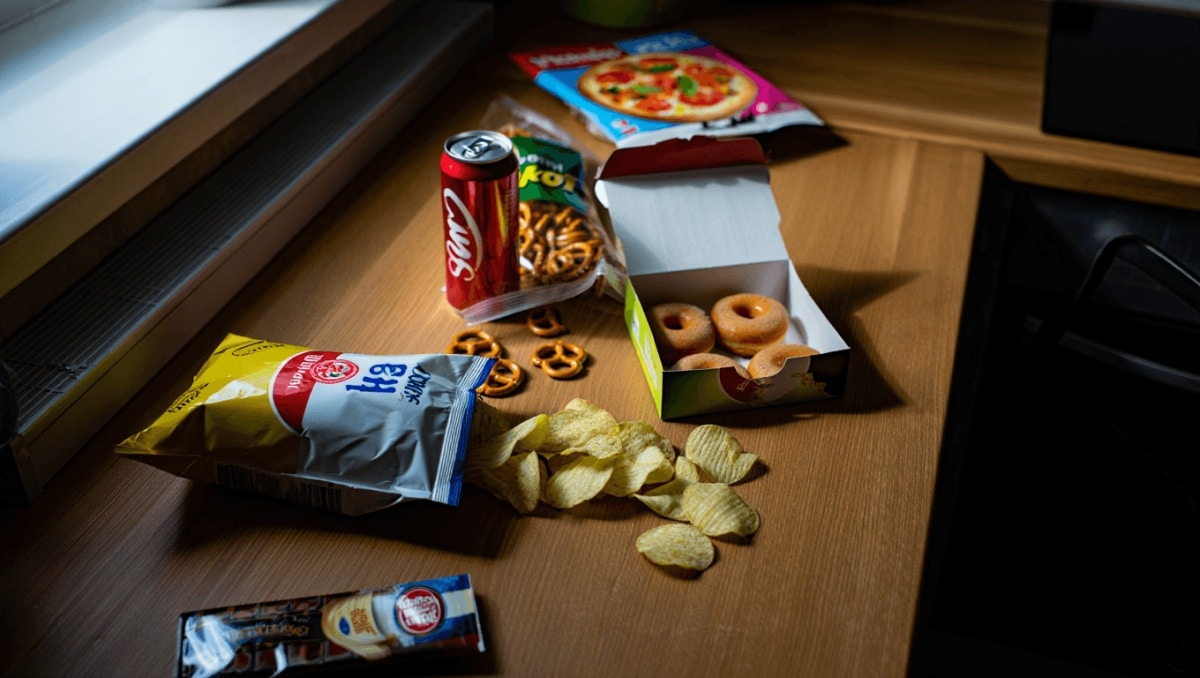
Ultra-processed foods (UPFs) include ready meals, many snack foods, soft drinks, and factory-made baked goods. They often contain high levels of salt, sugar, and unhealthy fats.
- In the study group, about 41% of daily calories came from UPFs.
- This figure mirrors the Australian average of about 42%.
- By comparison, average UPF intake in the U.S. is roughly 60% of daily calories.
Even a relatively small uptick mattered. The researchers estimated that a 10% rise in high-fat processed foods — roughly the calories in a daily bag of chips — correlated with reduced focus.
What aspects of cognition were affected
The cognitive differences were not vague. Tests showed consistent declines in:
- visual attention
- processing speed
- tasks that require sustained concentration
These are the mental skills we use for reading, driving, and following complex instructions. Reduced performance on such tasks can affect daily life long before any dementia diagnosis.
Biological pathways that link processed food to brain health
Experts point to several harmful effects tied to highly processed foods. These may explain the link to reduced attention and higher dementia risk.
- Inflammation: Processed foods can trigger chronic, low-grade inflammation that harms brain cells.
- Insulin resistance: Diets high in refined carbs and fats can impair insulin signaling in the brain.
- Poor blood flow: Unhealthy lipid profiles and artery damage reduce oxygen delivery to brain tissue.
- Oxidative stress: Additives and processing byproducts increase cell-damaging free radicals.
These pathways are also common to Type 2 diabetes, high blood pressure, and obesity — all established dementia risk factors.
Why the way food is processed matters
Beyond nutrient content, the industrial steps used to produce UPFs may play a role. High heat, emulsifiers, and chemical additives alter natural food structures.
Researchers suggest these changes can introduce compounds the body struggles to handle. Some additives and processing chemicals may disrupt gut health, metabolic function, and brain signaling.
The study authors propose that damage from processing itself may harm cognition, not only the lack of healthy foods.
Microplastics, packaging, and mental health
Many packaged items are handled and stored in plastic. New evidence shows particles of microplastics can transfer into food.
Early research links higher microplastic exposure to worse mental health outcomes. Studies report associations with:
- higher depressive symptoms
- increased anxiety
- poorer sleep quality
While the field is evolving, the possibility that common packaging adds another risk factor has gained attention.
Everyday choices to protect attention and brain health
Small swaps can make a difference for focus and long-term cognition.
- Prioritize whole foods: fruits, vegetables, legumes, whole grains, and fatty fish.
- Limit ready-to-eat and high-fat snack items. Treat them as occasional, not daily, choices.
- Read labels and avoid products with long lists of unfamiliar additives.
- Cook at home more often to reduce contact with plastic packaging.
- Keep an eye on portion sizes when you do indulge.
Even modest reductions in ultra-processed food intake could help preserve attention over time.
Research caveats and what scientists want next
The study shows associations, not absolute proof of causation. Long-term trials are needed to confirm direct effects.
Researchers also want to explore which additives or processing steps are most harmful. That could guide policy and industry changes.
In the meantime, the findings add to growing evidence that diet quality matters for mental sharpness as well as body health.










