
Show summary Hide summary
- Quick takeaways readers search for about dirty fingernails
- Why a small visual detail sparks big assumptions
- Hands that work: the real reasons nails get blackened
- Why context changes the story behind the stains
- What our reactions reveal about how we value work
- Practical steps: how to respond when you notice stained nails
- Neutral, respectful language to describe hands that carry marks
- Questions to reflect on and discuss
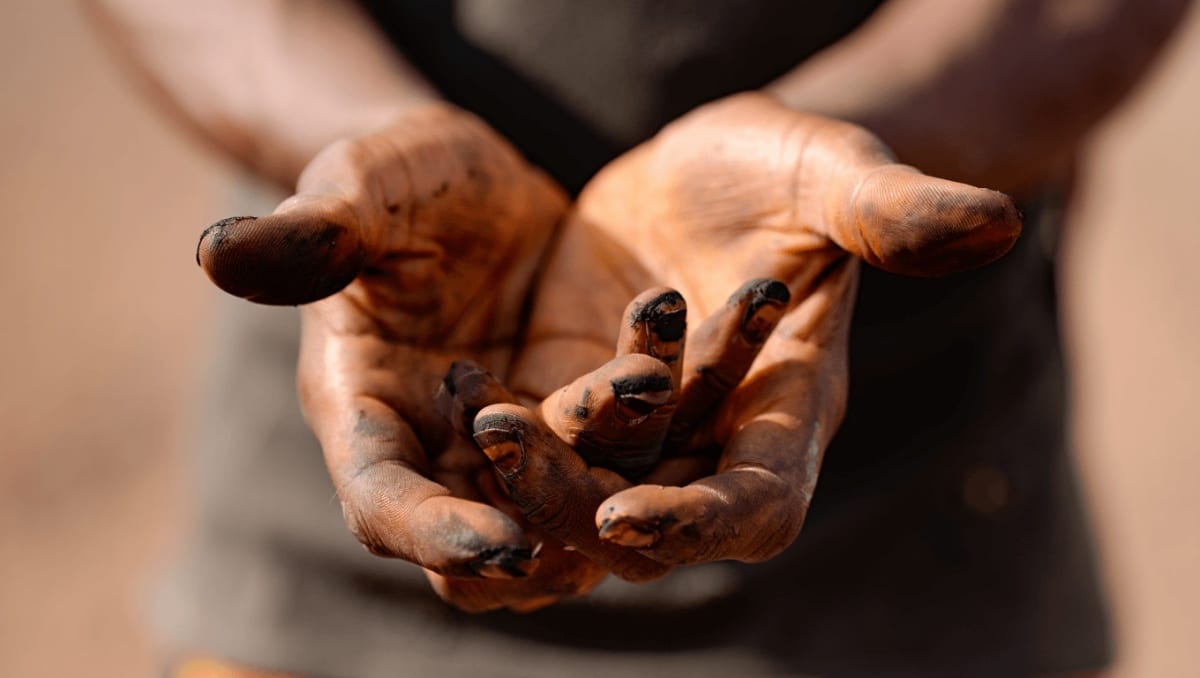
A glance at dark, stained fingernails can trigger a swift opinion. Before you name the person in your head, consider this: those marks often tell a story of work, passion, or an afternoon spent creating something with your hands.
Quick takeaways readers search for about dirty fingernails
- Instant judgments can be misleading. Dark residue under nails rarely equals poor hygiene.
- Stains often mean effort. Grease, soil or paint usually show hands that have been active.
- Context alters interpretation. The same mark means different things in a workshop, on a farm or at an interview.
Eggs every day for months: simple check reveals shocking blood test result
Popular childhood food ingredient may raise adult anxiety: study
Why a small visual detail sparks big assumptions
From childhood we learn that clean hands equal respectability. That cultural lesson packs a punch.
Psychologists call this the halo effect. A single physical cue quickly shapes our overall view of someone.
That split-second assessment is convenient but unreliable. In most societies, basic hygiene is accessible. Persistent stains usually have a practical cause.
Hands that work: the real reasons nails get blackened
Often, darkened nails are the badge of people who shape daily life.
Common sources of stubborn stains
- Automotive grease and engine oil
- Clay, compost and garden soil
- Paint, varnish and wood stain
- Resins, ink and industrial dust
Mechanics, farmers, builders and artisans frequently return home with residue under their nails. With DIY and urban gardening on the rise, many hobbyists now share those same marks.
These traces are often not neglect, but evidence of a productive day.
Why context changes the story behind the stains
A baker dusted with flour is not judged as unclean. We read that as proof of fresh bread.
Similarly, stained nails can mean different things depending on the scene. In a job interview, they might raise practical questions about readiness. At a neighbor’s barbecue, they can signal weekend renovations.
Always look for situational clues before forming an opinion.
What our reactions reveal about how we value work
We tend to praise white-collar roles while undervaluing manual labor. Cleanliness becomes a proxy for success.
That mindset ignores a simple fact: many hands that stay visibly clean produce little physical output, while marked hands often keep economies and communities running.
Rethinking that reflex is a step toward respecting essential trades.
Practical steps: how to respond when you notice stained nails
- Pause and resist quick assumptions.
- Scan the environment for clues—tools, clothing, smell.
- Ask a neutral question if context matters to you.
- Give credit for effort when appropriate.
These small habits reduce unfair judgments and open the door to a more accurate first impression.
Neutral, respectful language to describe hands that carry marks
Instead of using pejoratives, choose terms that reflect activity or skill. Examples:
- Mechanic, gardener, builder, artisan
- Hands marked by work, stained by soil or grease
- Someone who works with their hands
Language shapes perception. Words that acknowledge labor are more accurate and kinder.
Questions to reflect on and discuss
Have you ever judged someone by their nails, or felt judged yourself? Share an example and what you learned.










