
Show summary Hide summary
- Top U.S. metros feeling the worst spring allergy effects in 2026
- Why these places top the allergy charts in 2026
- What types of allergens are dominating spring 2026
- How the rankings were determined
- Simple, evidence-based actions to cut pollen exposure
- Medication and longer-term treatments to consider this season
- When to see a provider or seek urgent care
- Tools and local resources to track pollen where you live
- Tips for homeowners and landscapers to lower neighborhood pollen
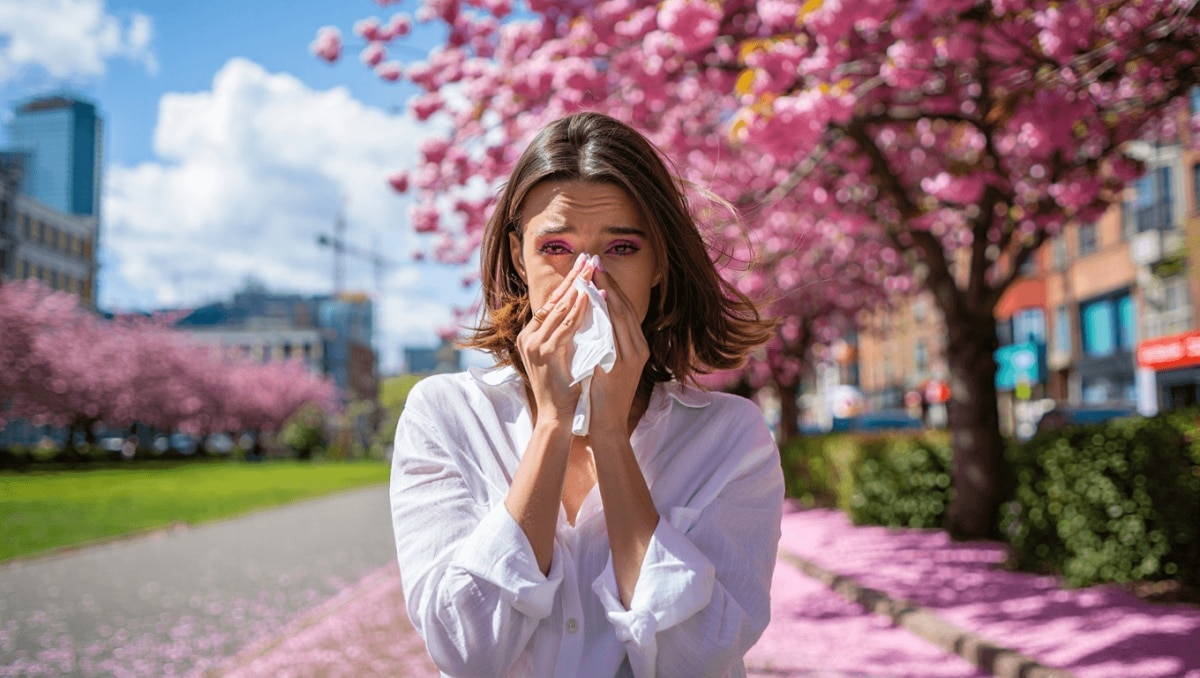
Spring in 2026 has already arrived with a vengeance for many Americans. As trees leaf out and grasses green up, pollen levels have surged in cities across the country. For people with seasonal allergies, the result is watery eyes, relentless sneezes, and more trips to the pharmacy. Below is an up-to-date look at the metro areas experiencing the worst spring allergy impacts this year, why they rank high, and practical steps to ease symptoms.
Top U.S. metros feeling the worst spring allergy effects in 2026
- Atlanta, GA — Early tree pollen and long, warm springs drive high counts.
- Knoxville, TN — Dense forests and valley geography trap allergens.
- Oklahoma City, OK — Mix of tree and grass pollen with windy conditions.
- Memphis, TN — Ragweed and trees create a prolonged season.
- Louisville, KY — High mold plus tree pollen after wet winters.
- Nashville, TN — Urban growth and pollen-heavy vegetation intensify exposure.
- Dallas–Fort Worth, TX — Early spring heat speeds pollen release.
- Houston, TX — Humidity and diverse plantings raise mold and pollen levels.
- St. Louis, MO — Tree pollen peaks are strong and sudden.
- Wichita, KS — Dry winds transport grass and weed pollen long distances.
- Tulsa, OK — Combined tree and ragweed season makes relief scarce.
- Cincinnati, OH — Late-season tree pollen followed by grasses.
- Columbus, OH — Urban-rural interface raises allergen diversity.
- Charlotte, NC — Rapid spring growth brings extended pollen windows.
- Washington, D.C. — Dense urban canopy leads to intense tree pollen spikes.
Eggs every day for months: simple check reveals shocking blood test result
Popular childhood food ingredient may raise adult anxiety: study
Why these places top the allergy charts in 2026
Several factors converge to create severe spring allergy seasons. Climate patterns, local vegetation, and human-made conditions all play roles. Warmer winters and early springs let trees pollinate sooner. Urban heat islands prolong the season. Wet winters often mean abundant plant growth, which turns into heavy pollen when temperatures rise. In cities with many allergy-prone species, the result is intense, sustained exposure.
Key drivers at a glance
- Early warming trends that trigger early flowering.
- High concentrations of pollen-producing trees, grasses, or weeds.
- Geography that traps allergens, such as valleys or basins.
- Wind patterns that transport pollen far from its source.
- Poor air quality and humidity boosting symptom severity.
What types of allergens are dominating spring 2026
Understanding which pollens are active helps people plan. This spring, the dominant culprits vary by region.
- Tree pollen: Oaks, birch, maple, and hickory are major contributors in many metros.
- Grass pollen: Kicks in after tree pollen and peaks in late spring.
- Weeds and ragweed: Begin later in the season but can cause severe reactions.
- Mold spores: Rise after rain and in humid zones, worsening symptoms.
How the rankings were determined
The 2026 list combines multiple data streams to reflect real-world allergy burden. Key inputs include daily pollen counts, local weather patterns, health-care visits for allergic rhinitis, and search and social trends indicating symptom spikes. Wherever possible, we weighted recent changes in climate and vegetation to show emerging hot spots.
Data points used
- Continuous pollen-monitoring station readings.
- Local ER and clinic visit trends for allergy and asthma.
- Regional weather data like temperature swings and wind speed.
- Public interest signals from search queries and symptom reporting tools.
Simple, evidence-based actions to cut pollen exposure
Small daily steps can lower your pollen load and reduce symptoms. Many are inexpensive and easy to adopt.
- Check the local pollen forecast each morning before outdoor plans.
- Keep windows and doors closed on high-pollen days.
- Use a HEPA filter in bedrooms and vacuum with HEPA-equipped machines.
- Shower and change clothes after outdoor activity to remove pollen.
- Time outdoor exercise for late afternoon or after rain when counts drop.
- Wear a mask or sunglasses outdoors to block some pollen from the nose and eyes.
- Dry laundry in a dryer, not on outdoor lines, during peak season.
Medication and longer-term treatments to consider this season
Over-the-counter options help many people. When symptoms persist, seek a clinician’s advice.
- Antihistamines: Fast relief for sneezing and itching.
- Nasal corticosteroids: Best for nasal congestion and inflammation.
- Saline irrigation: Helps flush pollen from nasal passages.
- Prescription options: Include stronger antihistamines and combination therapies.
- Allergy immunotherapy: Shots or sublingual tablets for long-term reduction.
When to see a provider or seek urgent care
Most seasonal allergy symptoms are manageable at home. Do not delay medical attention for severe signs.
- Worsening shortness of breath or wheezing that doesn’t improve.
- Swelling of the face, lips, or throat.
- High fever or signs of infection after prolonged symptoms.
- Symptoms that prevent normal sleep or daily activities despite treatment.
Tools and local resources to track pollen where you live
Real-time tools make it easier to plan days around allergy peaks. Many resources are free.
- Daily pollen forecast apps and websites for your metro area.
- Local allergists and telehealth clinics offering quick consults.
- Community health centers that track seasonal case loads.
- Garden centers and municipal programs with allergen-friendly planting advice.
Tips for homeowners and landscapers to lower neighborhood pollen
Community choices affect everyone. Planting and maintenance can reduce pollen in shared spaces.
- Choose low-pollen trees and shrubs for streets and yards.
- Avoid large plantings of known high-pollen species near windows and playgrounds.
- Keep grass short during peak pollen release.
- Remove mold-prone debris and improve drainage to cut spore growth.










