
Show summary Hide summary
- How urine gets its color: kidneys, pigments and water balance
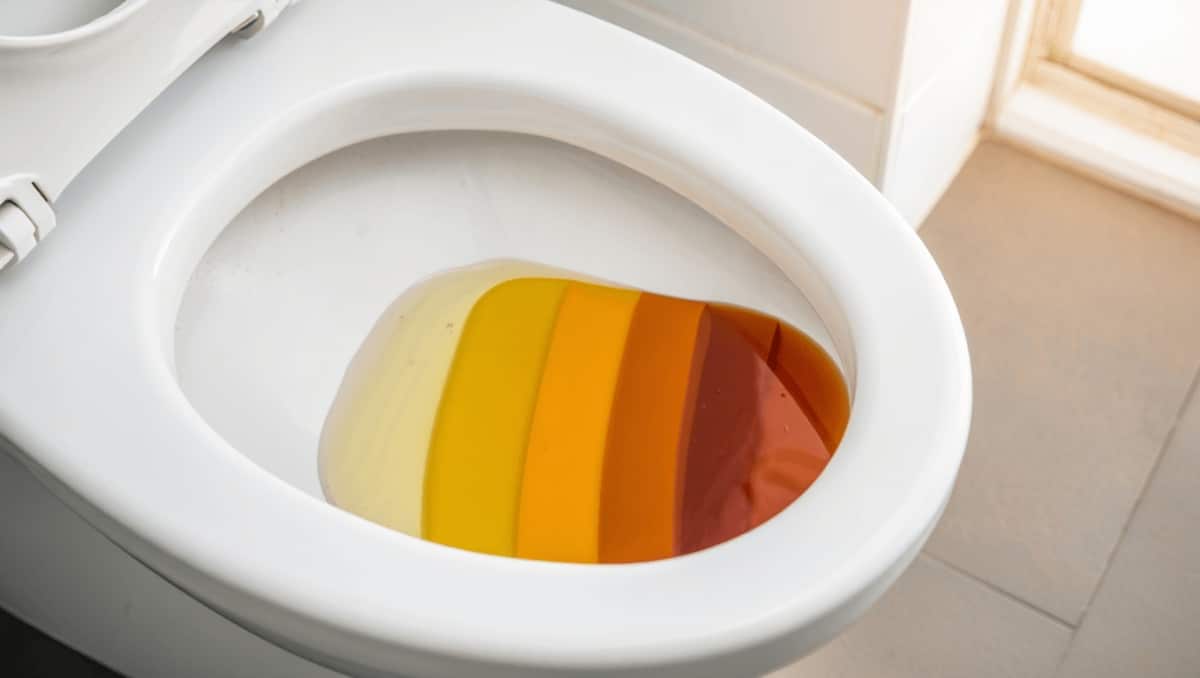
- Clear to amber: what shades say about hydration
- Red or pink urine: food dye, beetroot, or blood?
- Unusual colors decoded: orange, green, blue, brown and black
- Smell and appearance: what texture and odor reveal
- When to contact a healthcare provider and what happens next
Have you ever glanced into the toilet and noticed the color of your urine looked different from usual? That simple observation can reveal a surprising amount about your hydration, recent meals, medications, or even a hidden health issue.
How urine gets its color: kidneys, pigments and water balance
The kidneys filter your blood continuously. They remove waste and excess substances, then mix them with water to form urine. A pigment called urochrome gives urine its typical yellow shade.
Eggs every day for months: simple check reveals shocking blood test result
Popular childhood food ingredient may raise adult anxiety: study
When you drink plenty of fluids, urochrome is diluted and urine appears pale. When fluids are scarce, the pigment concentrates and the urine darkens. Other factors can also tint urine.
Clear to amber: what shades say about hydration
Most color changes reflect fluid intake. Aim for a pale yellow tone as a practical sign of good hydration.
- Clear or colorless: Often means high fluid intake. Occasional overhydration can dilute electrolytes.
- Pale yellow: The optimal, healthy appearance for most people.
- Dark yellow to amber: A common early sign of dehydration. Drink water and recheck within a few hours.
If your urine remains dark after drinking fluids, or you feel unwell, consider further evaluation.
Red or pink urine: food dye, beetroot, or blood?
Seeing red or pink urine is alarming, but it has multiple causes. Start by reviewing recent meals and supplements.
Food and harmless causes
- Beetroot, blackberries and certain food dyes can produce a red or pink tint.
- Certain medications and vitamins also alter urine color.
Blood in the urine (hematuria)
If no dietary cause explains the color, blood in the urine is possible. Hematuria can signal:
- Urinary tract infections.
- Kidney stones, often causing sharp pain.
- Prostate issues in men.
- Less commonly, tumors of the bladder or kidneys.
If you notice blood in urine, especially with pain or fever, seek medical care promptly.
Unusual colors decoded: orange, green, blue, brown and black
Rare hues can look dramatic, but many have benign explanations.
- Orange: Can result from high-dose vitamin C, beta-carotene supplements, or some medications. If orange urine comes with pale stools or jaundice, this may point to liver or bile duct issues.
- Green or blue: Often from food dyes, some drugs, or contrast agents used in medical tests. Certain bacterial infections can also produce a green tint.
- Brown or black: Possible after severe dehydration, or following intake of foods like fava beans or some herbal remedies. It may also indicate liver disease, medication effects, or muscle breakdown that releases myoglobin.
Persistent unusual coloration should be assessed by a professional.
Smell and appearance: what texture and odor reveal
Color is not the only clue. Texture and smell carry meaning too.
- Cloudy or milky urine: Often a sign of infection or crystals and may indicate pus or high mineral content.
- Foamy urine: Persistent froth may suggest excess protein in the urine, a sign of kidney stress.
- Strong ammonia smell: Typically related to dehydration.
- Sweet or fruity smell: Can indicate high sugar levels in the blood, as seen in uncontrolled diabetes.
- Certain foods, like asparagus, temporarily change urine odor without harm.
When to contact a healthcare provider and what happens next
Minor, brief color changes often resolve with dietary tweaks or hydration. But seek medical advice when:
- An abnormal color lasts more than two days without a clear cause.
- You see blood or have severe pain.
- There are systemic symptoms: fever, chills, nausea, or unexplained fatigue.
At your appointment, a clinician will ask about recent foods, medications, and symptoms. They often order a urine analysis (dipstick and microscopy) and may request blood tests or imaging.
Urinalysis can detect bacteria, blood, proteins, and other abnormalities. Treatment depends on the underlying finding, whether it is an infection, stone, liver problem, or another condition.










