
Show summary Hide summary
- How diet drives chronic disease and strains the health system
- Adding nutrition to medical education: a quiet shift
- From theory to practice: cooking labs that teach clinicians to advise
- Prescribing produce: a new kind of clinical order
- Clinic stories that show small changes can work
- Core dietary guidance most people can use
- Challenges to wider adoption and ways to scale up
- Where training meets prevention in everyday medicine
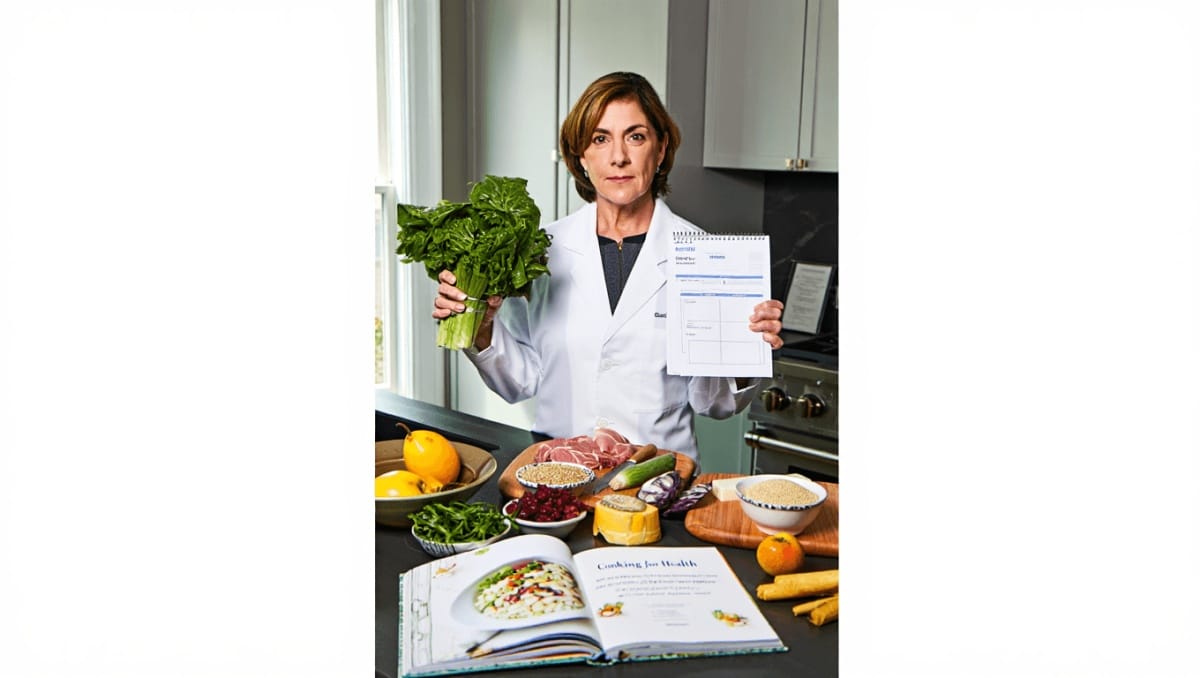
Every day in clinics across the United States, doctors encounter illnesses that trace back to the grocery aisle. As chronic diseases linked to diet balloon, a new movement is teaching physicians to prescribe food, not just pills, and to cook so they can give patients practical, realistic guidance.
How diet drives chronic disease and strains the health system
Diet-related conditions are a major driver of illness and spending. Policymakers and health leaders warn that ultra-processed foods and poor eating patterns are fueling a surge in diabetes, heart disease and other chronic issues.
Eggs every day for months: simple check reveals shocking blood test result
Popular childhood food ingredient may raise adult anxiety: study
Preventable nutrition harms are costly—both in human lives and health-care dollars. While broad food-system reforms may take years, patients need clear, trustworthy advice now about which foods can reduce risk.
Adding nutrition to medical education: a quiet shift
Nutrition training has long been sparse in many medical schools. Most programs still do not require hands-on clinical nutrition, and many physicians report low confidence discussing diet.
Some medical centers are starting to change that. They are adding classroom hours and optional culinary sessions so future physicians learn the science and the practice of healthy cooking.
- Core coursework on nutrients and disease risk.
- Practical lessons in teaching kitchens.
- Training in culturally and financially realistic meal planning.
From theory to practice: cooking labs that teach clinicians to advise
Cooking classes for clinicians are not about gourmet technique. The goal is to translate nutrition science into meals patients will actually make and enjoy.
Students learn to suggest ingredient swaps, flavor strategies and simple recipes that meet medical goals. That makes counsel more persuasive than a generic “eat healthier” line.
What clinicians take away
- How to boost fiber and flavor in low-cost ways.
- Alternatives to processed meats and smoked foods.
- Ways to recommend fish and plant proteins that match cultural tastes.
Prescribing produce: a new kind of clinical order
The idea of “produce prescriptions” gives patients access to fruits and vegetables as part of treatment. Rather than only writing for medicines, some clinicians provide concrete food plans.
Clinicians trained in nutrition can create tailored game plans for patients at risk of metabolic or cardiovascular disease. That may mean recommending swaps, small daily changes, or portion tweaks.
Clinic stories that show small changes can work
In practice, simple interventions can yield measurable results. One physician identified a patient’s daily glass of orange juice as a hidden source of excess sugar. Removing that habit helped improve fasting glucose without drugs.
Small, specific changes often beat sweeping mandates. They are easier for patients to adopt and can reduce the downstream need for medications.
Core dietary guidance most people can use
While recommendations should be personalized, there are sensible habits that benefit many people:
- Eat a variety of vegetables and fruits — “eat the rainbow.”
- Prioritize whole foods over ultra-processed products.
- Limit fruit juices and sugar-sweetened beverages.
- Increase dietary fiber to support gut health and metabolic control.
Fiber matters: it helps feed the gut microbiome, blunts blood sugar spikes after meals, lowers LDL cholesterol and is tied to lower mortality in large studies. It’s especially important for people with metabolic syndrome or prediabetes.
Challenges to wider adoption and ways to scale up
Barriers include limited appointment time, lack of clinician confidence and unequal access to healthy foods. But practical fixes can expand impact.
- Embed brief, focused nutrition counseling into primary care visits.
- Use community programs to connect patients to affordable produce.
- Train clinicians in culturally appropriate, budget-sensitive advice.
- Support policy steps that reduce ultra-processed food consumption over time.
Where training meets prevention in everyday medicine
Teaching physicians to understand ingredients, to suggest realistic swaps, and to tailor advice to a patient’s background shifts care toward prevention.
When doctors ask about food first, they can often prevent later medication escalation. That change starts in medical schools and can spread into routine practice as clinicians gain confidence and cooking skills.










