
Show summary Hide summary
- Chia seeds nutrition: what’s inside these little powerhouses
- How chia works: gel formation and appetite control
- Easy ways to add chia seeds to everyday meals
- How much chia to eat and safety tips
- Savory uses and creative culinary tricks with chia
- Common questions people ask about chia seeds
- Smart shopping and storage tips for best value
- Small habit, noticeable effects
- Share your experience
Tiny and unassuming, chia seeds have invaded breakfast bowls, smoothies and jars of homemade pudding. These small seeds, cultivated for centuries in Central America, can boost a simple meal with fiber, healthy fats and plant protein. Used wisely, they add texture, nutrition and satiety. Read on for practical tips, safe amounts and easy recipes to get the most from chia seeds.
Chia seeds nutrition: what’s inside these little powerhouses
Don’t be fooled by their size. Chia seeds pack several nutrients in a small serving.
Eggs every day for months: simple check reveals shocking blood test result
Popular childhood food ingredient may raise adult anxiety: study
- Fiber: Soluble and insoluble fibers support digestion and help you feel full.
- Plant protein: A useful complement to vegetarian or flexitarian plates.
- Healthy fats: Rich in alpha-linolenic acid (ALA), an omega-3 fatty acid.
- Essential minerals: notable amounts of calcium, magnesium and phosphorus.
Adding a spoonful to a meal won’t replace a balanced diet. But it can diversify nutrients and make simple foods more satisfying.
How chia works: gel formation and appetite control
Chia seeds absorb liquid and form a soft gel on contact. This change in texture explains much of their culinary and nutritional value.
- The gel thickens smoothies and puddings without strong flavors.
- It helps bind ingredients in veggie patties or baked recipes.
- Because the seeds expand in the stomach, they can extend the feeling of satiety after a meal.
Important: The gel effect is the reason chia can be filling, but it is not a miracle weight-loss tool.
Easy ways to add chia seeds to everyday meals
Chia’s neutral taste makes it easy to slip into many dishes. Try these simple ideas.
- Stir 1 tablespoon into yogurt or applesauce for extra texture and fiber.
- Blend a spoonful into smoothies for subtle thickness and a nutrient boost.
- Use chia as a binder in burgers, meatballs or vegetable fritters.
- Sprinkle on salads, soups or oatmeal for a crunchy finish.
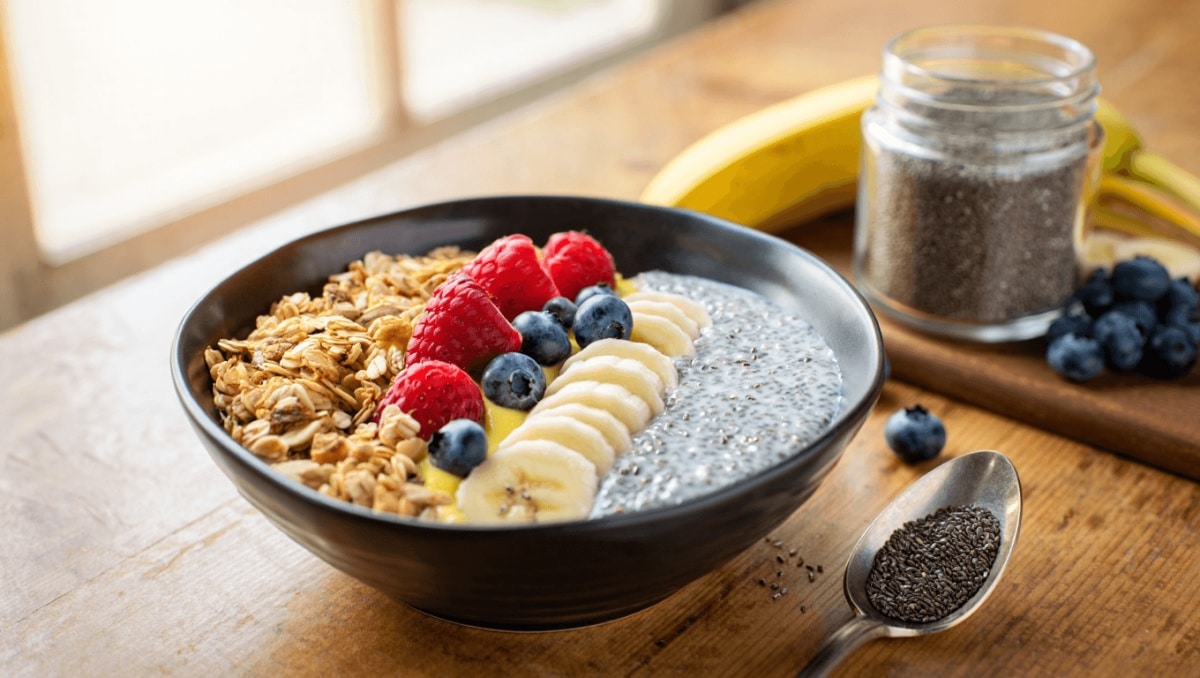
Basic chia pudding — quick recipe
- Mix 3 tablespoons chia seeds with 1 cup milk or plant milk.
- Sweeten if desired and stir well to break up clumps.
- Refrigerate at least 2 hours, preferably overnight, until it sets.
- Top with fruit, spices or nuts before serving.
This pudding stores well and is a convenient, portable breakfast or snack.
How much chia to eat and safety tips
Chia is healthy, but moderation matters. Too many seeds can cause digestive upset because of their high fiber content.
- Start with 1 tablespoon (about 15 g) per day. It is a sensible baseline for most adults.
- Experienced users can go up to 2 tablespoons, but avoid routinely exceeding 30 g daily.
- Always drink enough water, especially if you eat dry seeds. Hydration prevents discomfort.
- Soak seeds if you have trouble swallowing or if you want a smoother texture.
- If you take blood-thinning or blood-pressure medications, discuss chia with your doctor.
Savory uses and creative culinary tricks with chia
Chia is not just for sweet breakfasts. It plays a practical role in savory cooking.
- Make a vegan “chia egg”: 1 tbsp seeds + 3 tbsp water, wait 10 minutes, then use as an egg substitute.
- Add ground chia to bread or cracker dough for extra fiber and moisture retention.
- Use soaked chia to thicken sauces, soups or vegetable purees without changing flavor.
- Mix into meat or plant-based mince to improve binding and texture.
Common questions people ask about chia seeds
Here are answers to practical concerns readers often have.
- Do chia seeds go bad? Stored dry in a cool, dark place, they last many months. Refrigerate for longer shelf life.
- Raw or soaked? Both work. Soaked seeds are gentler on digestion and create pudding textures.
- Are they gluten-free? Yes, naturally gluten-free and suitable for most gluten-free diets.
Smart shopping and storage tips for best value
Choose plain, high-quality seeds without additives. Black and white chia have similar nutrition.
- Buy from trusted brands or bulk bins with turnover to ensure freshness.
- Keep seeds in an airtight jar away from heat and light.
- Label the container with the purchase date if you buy in bulk.
Small habit, noticeable effects
Adding a spoonful of chia to a meal is a small change. Over time, it can help you feel fuller and widen nutrient variety.
Practical, affordable and versatile: chia seeds are a useful tool in everyday cooking when used with common sense and moderation.
Share your experience
Have you tried chia in a new recipe? Tell other readers what worked and what you liked. Your tips help others experiment with confidence.










