
Show summary Hide summary
- Why beer and body odor attract mosquitoes
- What the research says about drinking beer and mosquito attraction
- How DEET works and why it helps
- Other repellents and how they compare
- Practical steps to avoid becoming a mosquito target
- Common myths about diet, scent, and mosquito bites
- Practical guidance for special situations
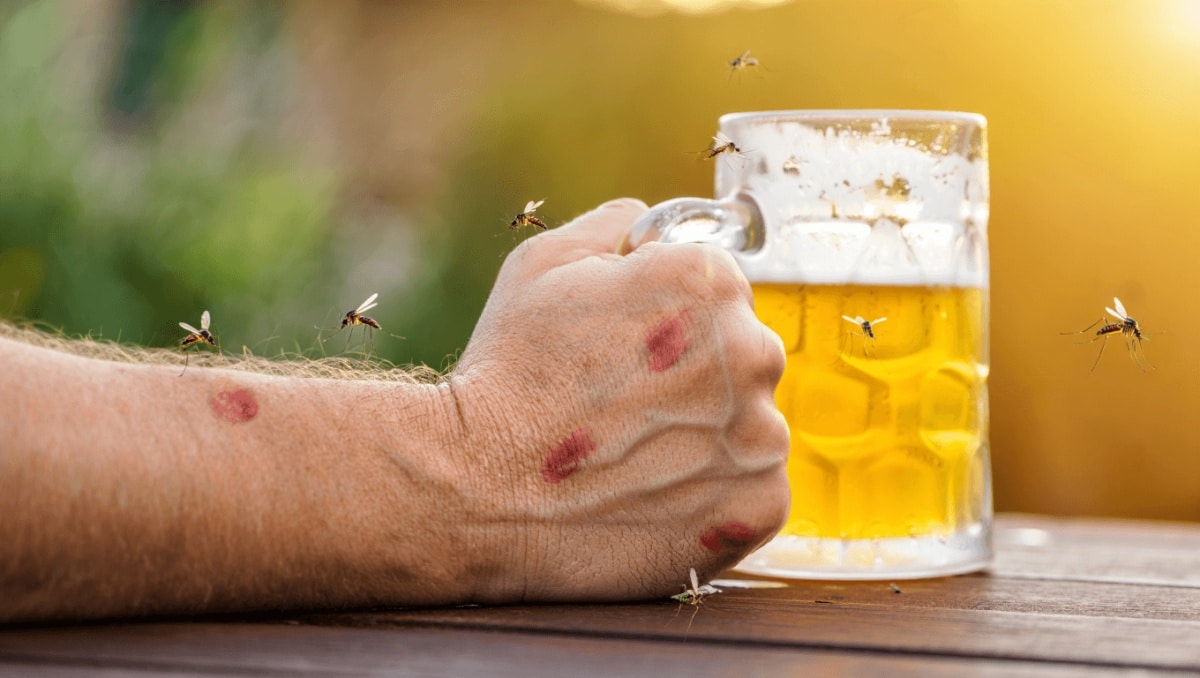
A cold beer and a summer evening can make for a perfect night — unless you turn into a mosquito magnet. New research and long-standing mosquito science both point to alcohol and body scent as factors that draw these pests. The good news: repellents like DEET still work, and simple behavior changes can cut your risk of bites.
Why beer and body odor attract mosquitoes
Mosquitoes use smell to find hosts. Carbon dioxide, body heat, and skin-emitted chemicals guide them. Alcohol in the bloodstream can change these cues.
Eggs every day for months: simple check reveals shocking blood test result
Popular childhood food ingredient may raise adult anxiety: study
- Alcohol may increase skin temperature and sweat.
- It can alter the profile of chemicals the skin releases.
- Body odor depends on skin bacteria, genetics, and what you eat.
Combined, those changes can make a person more noticeable to mosquitoes. Not everyone reacts the same way. Genetics and skin microbiome play a big role.
What the research says about drinking beer and mosquito attraction
Several controlled studies show a link between beer consumption and higher mosquito attraction. Volunteers who drank beer received more landings from certain mosquito species.
- Researchers tracked mosquito landings and bites after participants drank beer.
- Results suggest beer increases attractiveness independent of other drinks.
- Other factors — like sweat and body odor — also influence outcomes.
Scientists caution that beer is one of many variables. The size of the effect varies by mosquito species and by the individual human host.
How DEET works and why it helps
DEET is a widely used insect repellent backed by decades of study. It doesn’t kill mosquitoes. Instead, it masks or interferes with the odors and receptors mosquitoes use to find people.
- DEET alters mosquito behavior, reducing landings and bites.
- Higher concentrations give longer protection, not necessarily stronger immediate effect.
- Applied correctly, DEET remains one of the most reliable defenses.
When beer or body scent makes you more attractive, DEET still reduces bites. It works by confusing the mosquito’s sense of smell and making humans harder to detect.
Safety and proper use of DEET
- Follow label directions for age limits and reapplication intervals.
- Use products with 20–30% DEET for several hours of protection.
- Avoid applying to hands of young children or on broken skin.
Used as directed, DEET has a strong safety record. For those who prefer alternatives, picaridin and oil of lemon eucalyptus also perform well.
Other repellents and how they compare
DEET is not the only option. Several repellents provide effective protection and may suit different preferences.
- Picaridin: Comparable protection to DEET with a milder odor.
- IR3535: Effective in some formulations; common in Europe.
- Oil of lemon eucalyptus: A plant-based alternative with measured efficacy.
Choose a product based on how long you’ll be outside, the mosquito species in your area, and personal tolerance for smell and texture.
Practical steps to avoid becoming a mosquito target
Beyond repellents, simple habits cut exposure to mosquitoes.
- Avoid alcohol before outdoor activity when mosquitoes are active.
- Wear long sleeves and light-colored clothing at dusk and dawn.
- Use window screens and mosquito nets in sleeping areas.
- Eliminate standing water near living spaces to reduce breeding sites.
- Shower after heavy sweating to remove odor cues.
Combining behavioral changes with an effective repellent gives the best protection. Small adjustments can greatly reduce the number of bites.
Common myths about diet, scent, and mosquito bites
Many folk beliefs surround what attracts mosquitoes. Evidence clarifies a few of the most common claims.
- Myth: Eating bananas makes you more attractive. Evidence is limited.
- Myth: Vitamin B reduces bites. Studies show little to no effect.
- Fact: Body bacteria profiles and carbon dioxide output are real drivers.
Focus on proven measures: repellents, covering up, and removing breeding sites.
Practical guidance for special situations
Different scenarios call for different strategies.
- Traveling to tropical regions: Choose repellents with strong evidence against local species.
- Outdoor events: Reapply repellents according to product directions.
- Families with children: Use age-appropriate formulations and apply to clothing when possible.
Tailor your approach to the setting and the duration of exposure. For high-risk areas, combine physical barriers with chemical repellents.










