
Show summary Hide summary
- How heat changes your body’s needs — and why coffee matters
- Signs that caffeine and heat are becoming a dangerous mix
- Simple, practical coffee rules to follow during a heatwave
- What experts say about safe caffeine limits in hot weather
- Who should be extra cautious with coffee when it’s hot
- Hydration habits that work better than relying on coffee
- Adjusting routines: timing, type, and portion control
- A quick decision guide before pouring that cup
- Share your experience or tips about coffee in hot weather
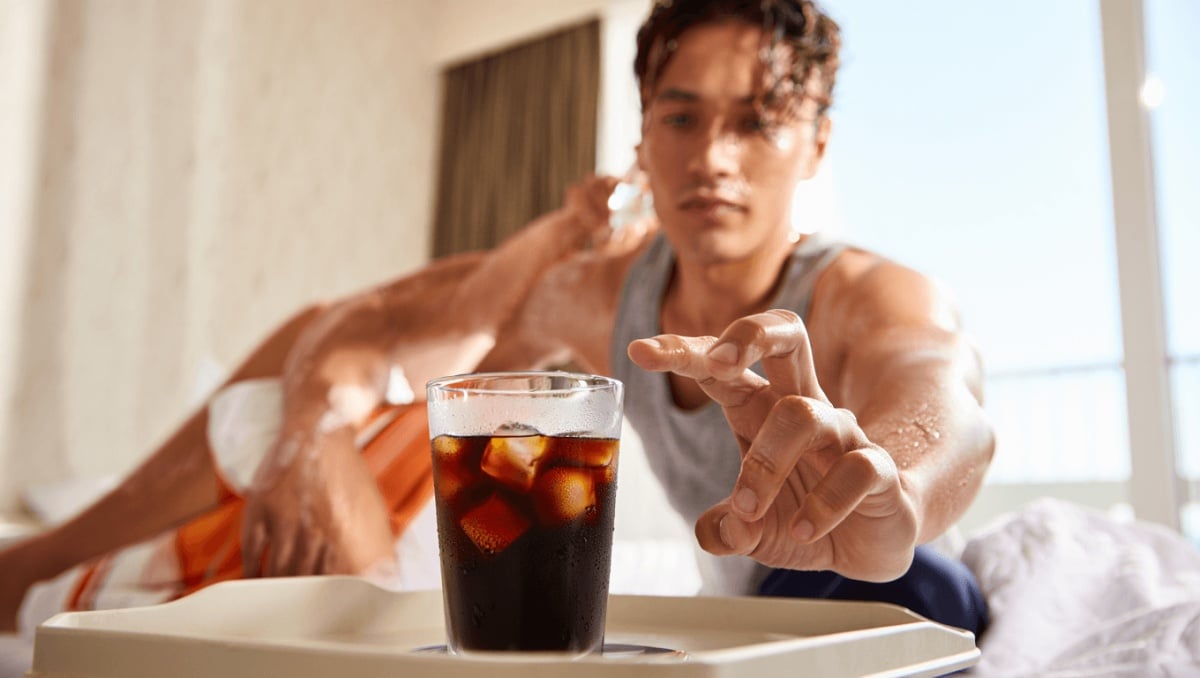
You wake up sticky, the night was restless, and the first instinct is to reach for a strong coffee to get moving. That familiar sip seems to help at once. But during a heatwave, this small ritual can complicate how your body copes with high temperatures. Understanding the interaction between caffeine, sweat, and hydration helps you enjoy coffee without risking your health.
How heat changes your body’s needs — and why coffee matters
High temperatures force your body to work hard to stay cool.
Eggs every day for months: simple check reveals shocking blood test result
Popular childhood food ingredient may raise adult anxiety: study
- Your blood vessels dilate to release heat.
- Your sweat glands use water to cool skin by evaporation.
- Without enough fluids, internal temperature can rise fast.
In extreme heat, an adult may lose up to 1.5 liters of sweat per hour, even while resting. That loss is large enough to make a major difference in how your body performs.
Coffee contains water, but caffeine also stimulates the nervous system. That stimulation can increase urine output for some people, especially if you drink several cups in a row. The net effect can be less available fluid for cooling.
Signs that caffeine and heat are becoming a dangerous mix
It’s easy to dismiss early symptoms as tiredness. Do not ignore them.
- Headaches or a pounding head
- Dizziness or lightheadedness
- Muscle cramps and unusual fatigue
- Thirst that feels intense and persistent
- Confusion, nausea, or fainting
These signals may mean your body is failing to regulate temperature properly. Left unchecked, they can progress to heat stroke, a life-threatening emergency that needs immediate care.
Simple, practical coffee rules to follow during a heatwave
You do not need to stop coffee completely. Modify how and when you drink it.
- Cut back on strong, repeated espressos.
- Never drink concentrated coffee right before outdoor work or exercise.
- Always follow a cup of coffee with a full glass of water.
- Consider decaffeinated options during the hottest hours.
- Delay your caffeinated cup until you are shaded and hydrated.
These changes help keep caffeine from adding to fluid loss and make the body’s cooling job easier.
What experts say about safe caffeine limits in hot weather
Food safety authorities provide general guidance on caffeine intake. For a healthy adult, daily limits around 400 mg are often cited. But that number does not account for heat stress.
Health agencies warn that caffeine can increase the risk of dehydration if you do not replace fluids. They also advise against combining caffeine with heavy physical activity in high temperatures because it may impair your body’s thermoregulation.
Practical numbers and examples
- An average cup of brewed coffee contains about 80–120 mg of caffeine.
- Espressos can pack 60–100 mg in a small volume, encouraging repeated consumption.
- If you plan work or exercise outdoors, aim to reduce caffeine that day.
Who should be extra cautious with coffee when it’s hot
Certain people are more vulnerable to heat and caffeine effects.
- Older adults, whose thirst response may be blunted.
- Children, who lose heat faster and dehydrate more quickly.
- People with chronic illnesses or on medications that alter fluid balance.
- Pregnant or breastfeeding people, who have different hydration needs.
If you fall into any of these groups, prefer water, oral rehydration drinks, or decaf during heat spikes.
Hydration habits that work better than relying on coffee
Make water your baseline fluid during hot days. Use coffee as a complement, not a substitute.
- Drink small amounts of water frequently, before you feel thirsty.
- Keep a refillable bottle nearby and sip throughout the day.
- Choose shaded, cool breaks when you drink coffee.
- Monitor urine color — pale means better hydrated.
When you plan activity, hydrate before starting and replenish during and after.
Adjusting routines: timing, type, and portion control
Small tweaks keep your coffee ritual enjoyable and safer.
- Swap a midday espresso for iced coffee with extra water on the side.
- Limit total cups and avoid chaining caffeinated drinks.
- Try herbal tea or flavored water when temperatures peak.
Pairing every caffeinated drink with water is a simple habit that pays off in hot weather.
A quick decision guide before pouring that cup
- Are you about to exercise or work outside? If yes, delay or skip.
- Have you had plenty of water in the last hour? If not, drink water first.
- Are you elderly, pregnant, or on medication? Favor decaf or water.
These checkpoints help you choose safely while keeping your routine intact.
Share your experience or tips about coffee in hot weather
Do you change your coffee habits when the mercury rises? Tell others what works for you.










