
Show summary Hide summary
- Why leg clots can be silent but dangerous
- What increases the chance of clotting in your legs
- 10 warning signs that may indicate a blood clot in the leg
- Sudden swelling in only one leg
- Persistent red or purplish skin patch
- Warmth concentrated in a specific spot
- Cramp-like pain that won’t go away
- Unexpected rapid heartbeat or palpitations
- Low-grade fever and chills
- Newly visible, bulging veins
- Sudden, overwhelming fatigue
- Dizziness, lightheadedness or cold sweats
- No symptoms at all
- Practical steps to reduce clot risk every day
You come home with a heavy feeling or a nagging ache in your calf and chalk it up to a long day. Sometimes those minor pains are early warnings. Left unchecked, a small clot can grow and block blood flow, turning a quiet symptom into a medical emergency.
Why leg clots can be silent but dangerous
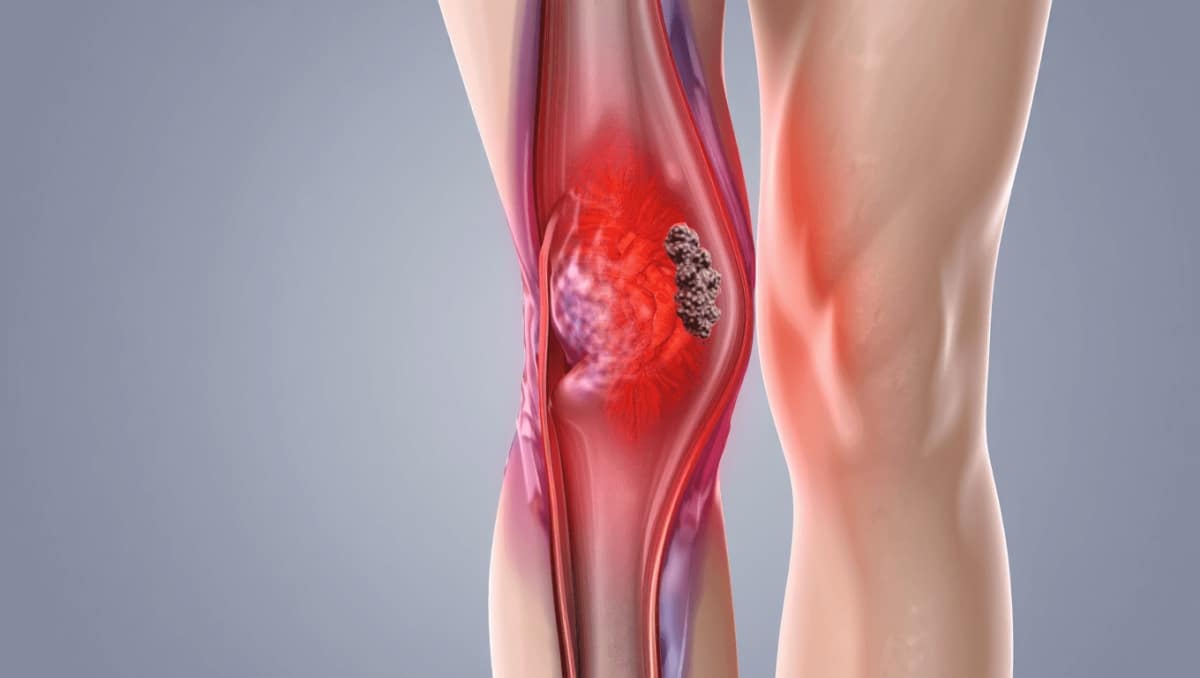
Blood clots in the leg often begin without fanfare. These clots, called deep vein thrombosis (DVT), form inside deep veins and can stay hidden. If a clot breaks free, it can travel to the lungs and cause a life-threatening pulmonary embolism.
Eggs every day for months: simple check reveals shocking blood test result
Popular childhood food ingredient may raise adult anxiety: study
Early detection matters: spotting DVT symptoms quickly reduces the risk of severe complications.
What increases the chance of clotting in your legs
Several modern habits and conditions raise clot risk. Long periods seated at work, reduced daily movement, and dehydration all slow circulation. Recent severe infections can also alter how blood clots for weeks or months.
Stagnant blood clumps more easily. Staying active and hydrated keeps flow steady.
10 warning signs that may indicate a blood clot in the leg
-
Sudden swelling in only one leg
If one calf or thigh grows noticeably larger than the other, without trauma, suspect a clot. Unilateral swelling often signals impaired venous return.
-
Persistent red or purplish skin patch
A lasting discoloration on the leg that does not fade can mean blood is pooling. This color change is more worrisome after surgery or long bed rest.
-
Warmth concentrated in a specific spot
Touch both legs. If one area feels warmer than the other, inflammation from a blocked vein may be present. Localized heat is a common DVT sign.
-
Cramp-like pain that won’t go away
Pain that resembles a muscle cramp but appears at rest and worsens with walking deserves attention. DVT pain often persists and intensifies with movement.
-
Unexpected rapid heartbeat or palpitations
A sudden racing pulse at rest can indicate your body is compensating for reduced oxygen delivery. This may mean a clot is affecting circulation or shifting position.
-
Low-grade fever and chills
A mild fever with unexplained chills can reflect the immune response to inflammation from a clot. Don’t assume every fever is an infection.
-
Newly visible, bulging veins
If veins that were flat become raised and tense, blood is redirecting through superficial vessels. These veins can feel hard and tender.
-
Sudden, overwhelming fatigue
Severe tiredness without clear cause may be your body using extra resources to fight inflammation. Extreme fatigue can be a systemic clue.
-
Dizziness, lightheadedness or cold sweats
These signs are urgent. They can mean a clot has reached the lungs and is cutting oxygen to the body. Seek emergency care immediately.
-
No symptoms at all
Many DVTs are silent. You can have a dangerous clot without any warning signs. That is why knowing your risk factors is essential.
Practical steps to reduce clot risk every day
- Move often: walk or stand every hour if you sit for work. Aim for 30 minutes of daily activity.
- Stay hydrated: drinking water thins blood and supports healthy circulation.
- Take active breaks: do ankle rotations and short walks during long journeys or work sessions.
- Avoid tight clothing: loose pants and roomy waistbands help blood flow from the legs.
- Choose heart-friendly foods: include omega-3 sources and cut excessive salt to lower fluid retention.
- Use compression when needed: graduated compression socks help during flights or long drives.










