
Show summary Hide summary
- From shock to survival: a personal timeline after an HIV diagnosis
- How advances in HIV treatment changed the course of her life
- Daily life at 74: health, relationships, and routine
- Confronting stigma and building community at an older age
- What clinicians and caregivers recommend for older adults with HIV
- How she turned hardship into advocacy
- Lessons from a life lived long after diagnosis
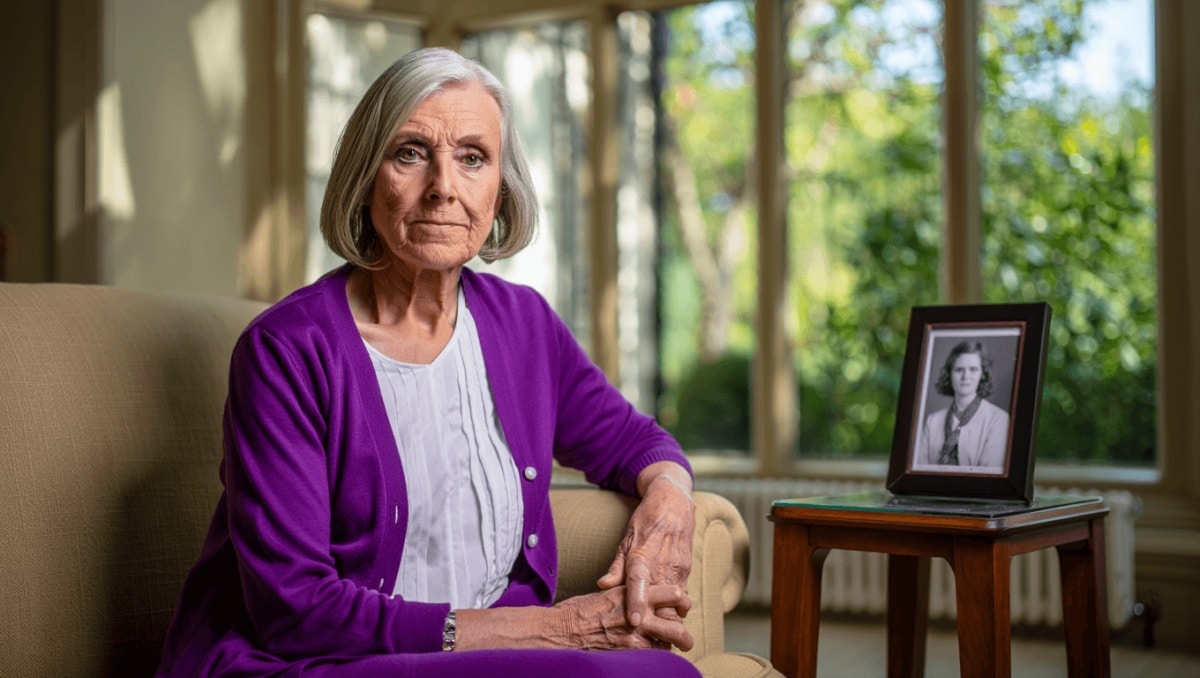
She remembers the doctor’s words as if they were spoken yesterday, though they came three decades ago. In 1996 she learned she was HIV-positive. Today, at 74, she continues to live a full life, defying expectations and offering a clear example of how medical progress, personal resilience, and community support can change a prognosis into decades of purpose.
From shock to survival: a personal timeline after an HIV diagnosis
The moment of diagnosis often feels like an ending. For many, it marked a harsh new reality. For her, it became a turning point.
Eggs every day for months: simple check reveals shocking blood test result
Popular childhood food ingredient may raise adult anxiety: study
- 1996: The diagnosis arrives during routine testing.
- Late 1990s: She navigates the early antiretroviral treatments and side effects.
- 2000s: With better drugs, her viral load drops and her health stabilizes.
- 2010s–2020s: She stays engaged in care, adapting to improved therapies.
- Today: At 74, she remains active, involved in advocacy, and in treatment.
How advances in HIV treatment changed the course of her life
When she was diagnosed, HIV care was rapidly evolving. New medications arrived and clinical understanding deepened.
Antiretroviral therapy and long-term control
Modern antiretroviral therapy (ART) transformed HIV from a fatal illness into a manageable chronic condition. Regular medication helped her achieve viral suppression, reducing the risk of illness and transmission.
Improvements in tolerability and convenience
Early regimens were complex and hard to tolerate. Over time, drug combinations became simpler and gentler. This made adherence easier and quality of life better.
Daily life at 74: health, relationships, and routine
Her mornings start with medication, but they don’t end there. She balances medical appointments with social activities and hobbies.
- Consistent medical follow-up and lab work keep her immune status monitored.
- Exercise and nutrition support her general well-being.
- Strong social ties combat isolation and stigma.
She credits regular care, a steady regimen, and a supportive network for her continued vitality. Longevity with HIV is possible when treatment and daily habits align.
Confronting stigma and building community at an older age
Age and HIV each carry social assumptions. Together, they create unique challenges.
Facing misconceptions
She has encountered misconceptions about sexuality, risk, and aging. Rather than retreat, she uses those moments to educate.
Finding allies and creating support
Local support groups, friends, and online communities provided critical encouragement. She both received and gave support over the years.
What clinicians and caregivers recommend for older adults with HIV
Care for older people living with HIV focuses on both infection control and general geriatric health.
- Maintain consistent ART and attend regular medical visits.
- Monitor and treat age-related conditions early.
- Address mental health and social needs proactively.
- Encourage vaccinations and preventive care.
Her care team emphasized comprehensive screening, medication reviews, and coordination among specialists.
How she turned hardship into advocacy
She has used her experience to help others navigate diagnosis and aging with HIV.
- Sharing her story at community events and clinics.
- Volunteering for outreach aimed at older adults.
- Mentoring newly diagnosed people to reduce fear and isolation.
Her voice has helped shift perceptions and inspired others to seek testing and treatment early.
Lessons from a life lived long after diagnosis
Her journey shows the combined power of science, persistence, and relationships.
- Early and sustained treatment matters.
- Social support improves outcomes.
- Age does not negate the possibility of thriving with HIV.
At 74, she stands as evidence that an HIV diagnosis need not define the remainder of one’s life.










