
Show summary Hide summary
- How a fan cools you — and when it backfires
- Temperature and humidity limits to watch for safety
- Who is most at risk from fan use in extreme heat
- Why the heart can be strained by a fan in hot conditions
- Practical cooling measures that work better in extreme heat
- How to monitor conditions beyond the thermometer
- Warning signs that require immediate help
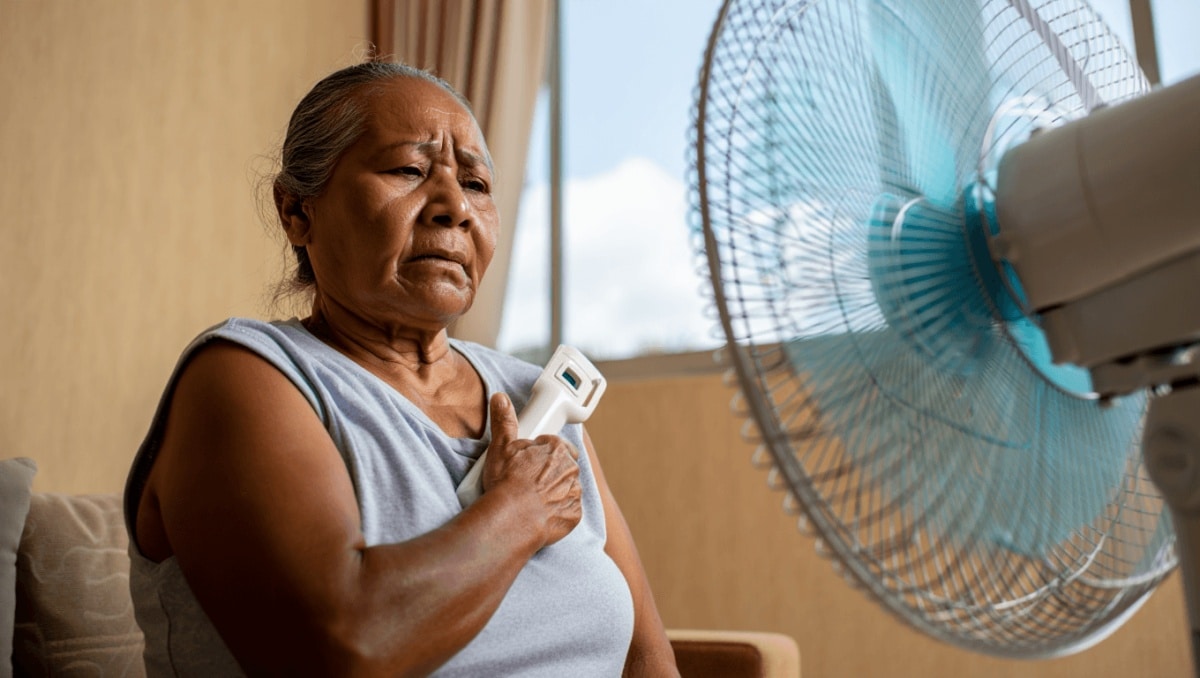
A spinning fan can feel like salvation on a sweltering day, but that breeze can deceive. Under some conditions, a fan may do more harm than good, especially for older or medically vulnerable people. Recent research clarifies when fans are helpful and when they can raise body temperature and strain the heart.
How a fan cools you — and when it backfires
Fans do not lower the room temperature. They move air across the skin to speed evaporation of sweat and promote heat loss.
Eggs every day for months: simple check reveals shocking blood test result
Popular childhood food ingredient may raise adult anxiety: study
When the air is cooler than skin temperature, a fan helps. But if the room air is as hot as or hotter than your skin, the fan can blow heat onto you.
Air humidity changes the effect. High humidity reduces evaporation. Dry, very hot air can increase sweating without effective cooling.
Temperature and humidity limits to watch for safety
Research gives concrete thresholds to guide fan use. These limits vary by age, health, and medication.
- Healthy young adults: Fans are generally safe up to about 39 °C.
- Older adults (65+): Risks rise above roughly 38 °C. Extra caution is advised.
- People on medications that reduce sweating: A lower threshold, near 37 °C, may apply.
Humidity makes a big difference. A study found that at 45 °C with 15% humidity, fans increased body temperature and sweating in older adults. At 38 °C with 60% humidity, fans improved comfort and slightly lowered body temperature.
Who is most at risk from fan use in extreme heat
- Older adults and frail seniors.
- People with cardiovascular disease.
- Those taking diuretics, anticholinergics, or other drugs that blunt sweating.
- Anyone dehydrated or with mobility limits that prevent cooling actions.
These groups may not tolerate the additional cardiovascular load that occurs when the body struggles to shed heat.
Why the heart can be strained by a fan in hot conditions
When the body loses heat, blood is redirected toward the skin. Sweat production increases to enable evaporative cooling.
If the surrounding air is too hot, the body must sweat more to try to cool down. That raises fluid loss and requires the heart to pump harder.
This extra workload can cause heart strain, especially in older or medically vulnerable people.
Practical cooling measures that work better in extreme heat
Above about 38–40 °C, do not rely on a fan alone. The World Health Organization warns against fan use past 40 °C because it can warm the body.
- Drink fluids regularly. Don’t wait until you feel thirsty.
- Moisten skin with a wet cloth or use a spray bottle to promote evaporation.
- Take a cool shower or bath to lower core temperature.
- Close curtains or blinds during daytime heat to block solar gain.
- Ventilate or open windows when outdoor air cools in the evening.
- Spend time in air-conditioned or naturally cool spaces when possible.
- Avoid heavy activity during the hottest hours.
- Check on elderly neighbors, relatives, or anyone at risk.
How to monitor conditions beyond the thermometer
Temperature alone does not tell the whole story. Combine temperature with humidity to assess danger.
- Use a heat-index or humidex calculator to estimate perceived heat.
- Watch for prolonged high indoor temps and low humidity that can increase water loss.
- Consider indoor thermometers with humidity readouts for real-time decisions.
Warning signs that require immediate help
If someone becomes confused, faint, dizzy, unusually sleepy, or has very hot dry skin, act quickly.
Seek emergency medical help immediately if there is loss of consciousness, severe disorientation, or signs of heat stroke.










