
Show summary Hide summary
- How the experiment was run: participants, scents and the workout test
- Performance shifts and appetite changes from a simple scent
- What might explain the boost from smelling chocolate
- Implications for morning workouts and fasting athletes
- How to try this safely and effectively
- What researchers recommend and future research directions
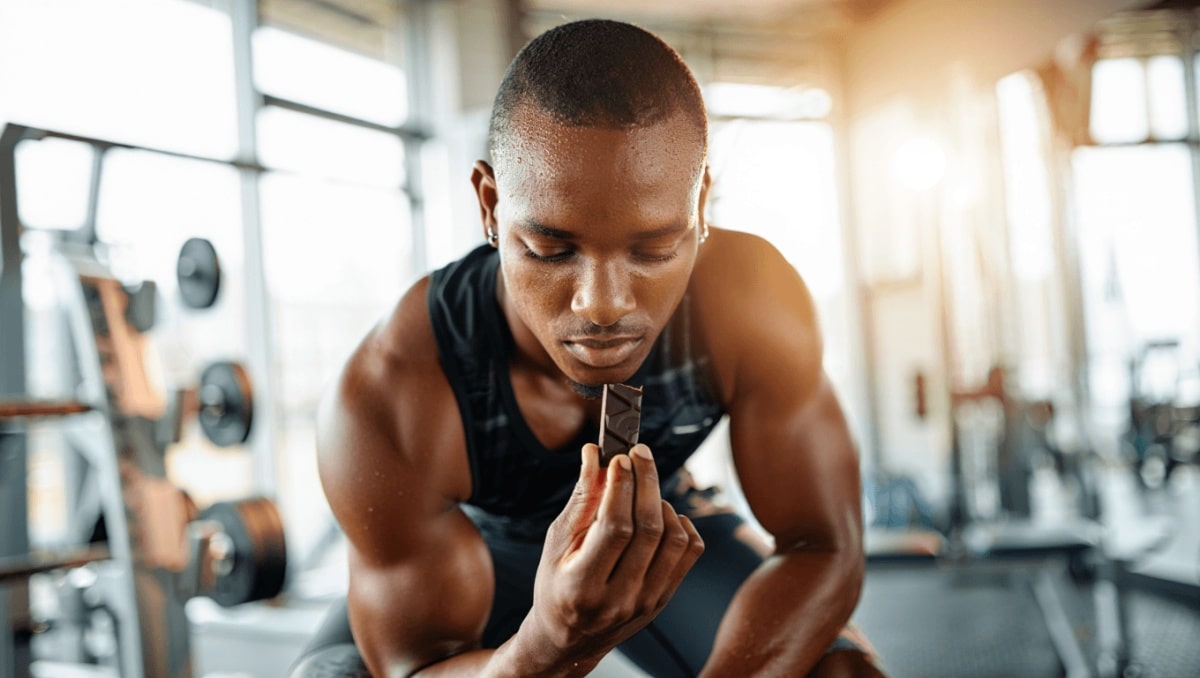
A quick whiff of chocolate before a morning session may sound like a trick, but new research suggests it can actually boost strength during leg work. Scientists tested how different chocolate aromas affect appetite and exercise output, and the results point to an unexpected, pantry-ready pre-workout aid.
How the experiment was run: participants, scents and the workout test
Researchers recruited young men who trained on an empty stomach early in the day. Each volunteer performed a standard resistance move for the lower body.
Eggs every day for months: simple check reveals shocking blood test result
Popular childhood food ingredient may raise adult anxiety: study
Who took part
- 23 men in their early to mid-20s.
- Sessions scheduled before any breakfast.
- Participants split into three scent groups.
What they smelled
- Liquid dark chocolate aroma, very high cocoa content.
- Milk chocolate aroma, moderate cocoa content.
- Plain water, as a control scent.
The exercise used to measure performance
Each man completed leg extensions: seated lifts where a weighted bar is raised with the lower leg. Repetitions to failure were recorded after exposure to the assigned scent.
Performance shifts and appetite changes from a simple scent
The scent exposure produced clear and measurable effects on strength and hunger.
- Participants who inhaled the dark chocolate aroma achieved significantly more reps than with water. They added roughly 18 extra repetitions.
- Those exposed to the milk chocolate scent also improved, though less. They gained about nine additional reps.
- Ratings of exertion did not increase, despite the higher output.
The dark chocolate scent also influenced appetite. Test subjects reported feeling fuller and less hungry after that whiff. The milk chocolate odor smelled nicer to many, but it did not change hunger as noticeably.
What might explain the boost from smelling chocolate
Olfaction is tightly linked to emotion and appetite centers in the brain. Smells can trigger anticipatory responses tied to digestion and reward.
- Familiar food scents can signal a coming meal and prime the body.
- Dark chocolate carries strong associations with richness and satiety.
- Milk chocolate may improve mood or make the environment pleasant, which could also aid performance.
Researchers suggest the dark chocolate aroma acts as a learned cue for a filling food. This cue may create a sense of fullness without ingesting calories, easing the psychological burden of training hungry.
Implications for morning workouts and fasting athletes
Timing food around a workout is a common challenge. Some athletes train fasted to manage body composition or follow intermittent fasting.
- For those who avoid pre-workout meals, a scent could reduce perceived hunger.
- Smelling a satiating odor might help people feel ready without actual food intake.
- This method could be useful when eating before exercise causes discomfort.
Sniffing a familiar, pleasant food aroma could be a low-cost, low-risk strategy to improve resistance performance for early training sessions.
How to try this safely and effectively
Not all odors will work the same for everyone. Familiarity and personal preference matter.
- Choose a scent you associate with richness and satisfaction.
- Test it at home first to ensure it isn’t overpowering or nauseating.
- Use short, deliberate inhales a few minutes before lifting weights.
- Keep the scent exposure brief and controlled.
People with strong smell sensitivities or food aversions should avoid this tactic. It is not a substitute for proper nutrition when sustained energy is needed.
What researchers recommend and future research directions
Scientists note chocolate probably isn’t the only effective trigger. The effect likely requires an odor that is both recognizable and rewarding to the individual.
- Further studies could test other food cues across genders and age groups.
- Researchers want to explore how scent timing affects different exercise types.
- Work remains to clarify the biological pathways behind the appetite-performance link.
Understanding which scents best mimic satiety could open new, noninvasive approaches to enhance training sessions for people who exercise fasted










