
Show summary Hide summary
- How processed products affect cardiovascular health
- What the research shows: key findings and numbers
- Spotting the usual suspects in your kitchen
- Practical swaps that lower heart risk
- How to decode food labels like a pro
- Meal planning strategies that favor heart health
- Policy shifts and industry trends worth watching
- Practical questions readers ask
New evidence links everyday packaged items to higher heart risk, but small changes can make a big difference. Shifts in pantry choices and habits help steer people away from harm. This article breaks down what researchers found and offers practical, science-backed swaps to protect cardiovascular health.
How processed products affect cardiovascular health
Scientists studying diets worldwide have noticed a clear pattern. Diets heavy in ultra-processed foods are associated with higher rates of heart disease and related conditions. These foods often contain added sugar, unhealthy fats, and salt. They also include chemical additives and are engineered for long shelf life and convenience.
Eggs every day for months: simple check reveals shocking blood test result
Popular childhood food ingredient may raise adult anxiety: study
Several mechanisms explain the risk. Refined ingredients spike blood sugar and insulin. Excess sodium and trans fats raise blood pressure and worsen cholesterol. The overall nutrient profile tends to be poor, displacing fruits, vegetables, whole grains, and lean proteins.
What the research shows: key findings and numbers
Large observational studies and meta-analyses have repeatedly found links between processed food intake and cardiovascular outcomes. The magnitude of risk varies, but trends are consistent across countries and age groups.
- People who eat the highest amounts of ultra-processed foods face greater odds of heart attacks and strokes.
- The risk appears to increase incrementally with the proportion of daily calories from these products.
- Replacing processed items with whole foods correlates with measurable drops in risk.
While observational data cannot prove causation alone, biological plausibility and controlled interventions support the connection.
Spotting the usual suspects in your kitchen
Not all packaged foods are equal. Knowing typical categories helps shoppers choose better options.
- Ready meals and frozen dinners with long ingredient lists.
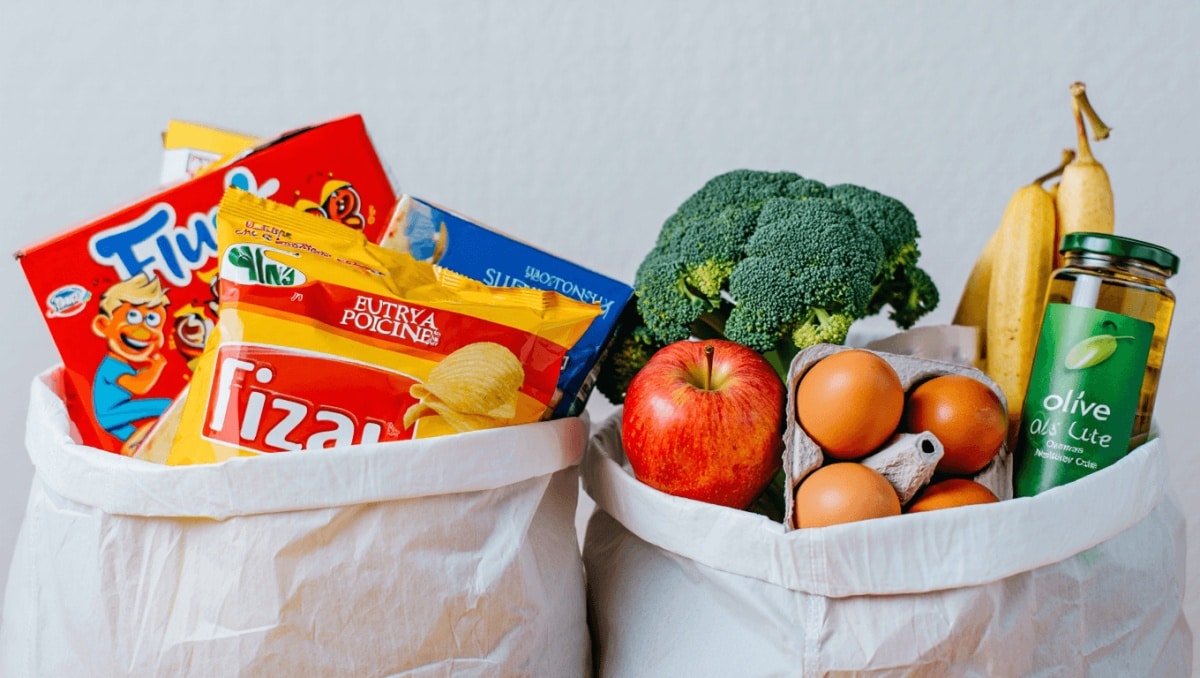
- Packaged snacks: chips, sugary cereals, and industrial cookies.
- Sugary drinks, energy drinks, and many flavored milks.
- Processed meats: hot dogs, sausages, and some deli slices.
- Instant soups and sauces high in sodium and additives.
These items often dominate modern diets because they are cheap and convenient.
Practical swaps that lower heart risk
Changing a few items can reduce harmful exposure. Swap gradually to keep habits sustainable.
- Replace sugary sodas with water, sparkling water, or herbal tea.
- Choose whole grains instead of refined breakfast cereals.
- Swap processed meats for grilled chicken, beans, or fish.
- Use plain yogurt and fresh fruit rather than flavored yogurts with added sugar.
- Cook simple sauces from canned tomatoes and herbs instead of jarred versions laden with salt.
Small, sustained changes often produce larger effects over time.
Easy morning swaps
- Oatmeal topped with nuts and berries instead of sweetened cereal.
- Whole-grain toast with avocado in place of packaged muffin snacks.
Packable lunch alternatives
- Salads with canned beans and a vinaigrette over frozen microwave meals.
- Brown rice and roasted veggies instead of instant rice mixes.
How to decode food labels like a pro
Labels tell a story, if you know what to look for. Prioritize a few simple checks at the store.
- Short ingredients lists with recognizable items are better.
- Avoid products with long strings of chemical names or additives.
- Check sugars, sodium, and trans fats per serving.
- Be wary of health claims like “natural” or “low-fat” without checking the full label.
Ingredient order matters: earlier items dominate the product’s composition.
Meal planning strategies that favor heart health
Practical planning reduces reliance on processed convenience foods. Simple systems save time.
- Batch-cook basics like grains and roasted vegetables once a week.
- Prep grab-and-go protein portions: hard-boiled eggs, grilled chicken, or hummus.
- Keep fresh fruit visible and ready to snack.
- Use slow cookers and sheet-pan dinners for minimal effort and maximum nutrition.
Policy shifts and industry trends worth watching
Public health policies are starting to address ultra-processed consumption. Some countries limit marketing to children. Others mandate clearer labeling and taxes on sugary drinks.
At the same time, the food industry explores reformulations and convenience-driven whole-food products. Consumer demand for transparency is shaping new offerings.
Practical questions readers ask
- Is everything packaged bad? No. Some packaged items are minimally processed and useful.
- How fast do changes show benefit? Blood pressure and cholesterol can improve within weeks to months.
- Can taste preferences adapt? Yes. Palates change after a few weeks of eating less sugar and salt.










