
Show summary Hide summary
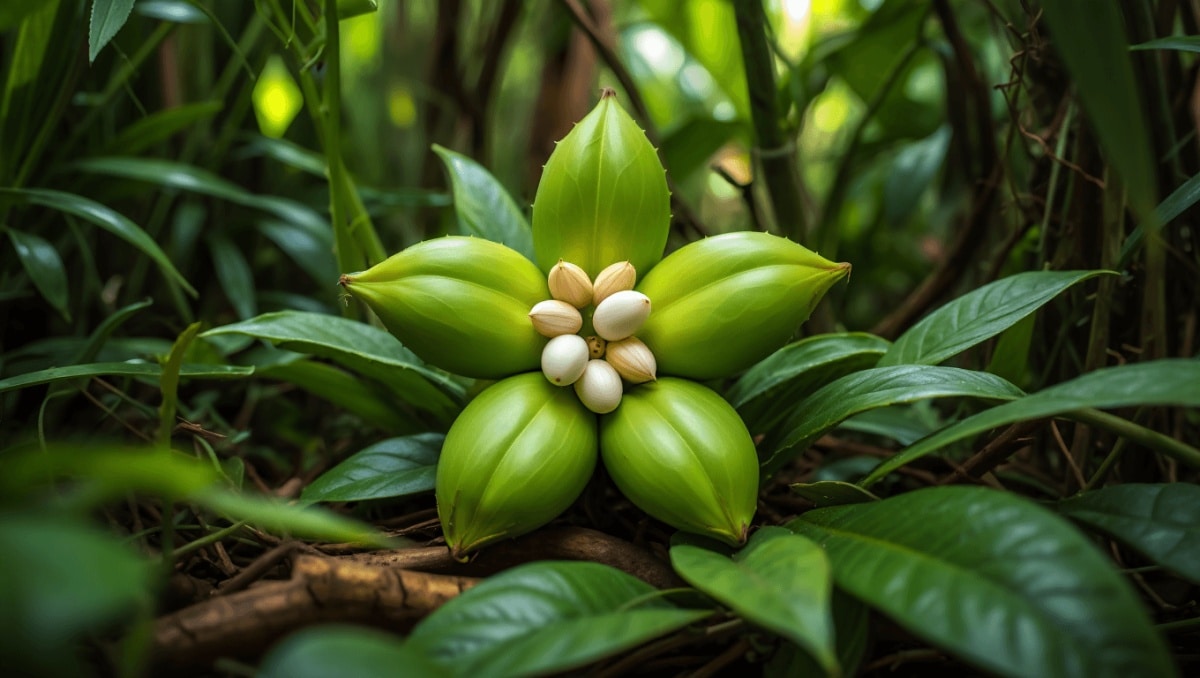
Hidden in the Amazon canopy is a small, star-shaped fruit that yields an oil-rich seed now catching attention as a versatile plant-based superfood. Consumers and chefs alike are turning to sacha inchi—often called the Inca nut—for its nutrient density, mild flavor, and uses from pantry to skincare shelf.
Origins and what sacha inchi actually is
Sacha inchi is native to the western Amazon, particularly Peru. The plant produces fruit that resemble stars. Inside each pod are several dark seeds. Indigenous peoples have harvested them for centuries.
Eggs every day for months: simple check reveals shocking blood test result
Popular childhood food ingredient may raise adult anxiety: study
The plant goes by several names in markets and labels. Look for “sacha inchi,” “Inca nut,” or “sacha peanut.” These names reflect its history and its culinary similarity to peanuts.
Nutrition at a glance: what you get per seed
The seeds and their oil are notable for three core nutrients. Together they support heart, brain and muscle health.
- Omega-3 fatty acids: Sacha inchi oil can be about 45–50% omega-3s, mainly alpha-linolenic acid.
- Healthy unsaturated fats: Nearly half the seed can be unsaturated fat.
- High-quality plant protein: The pressed meal left after oil extraction can contain over 50% protein.
- Other nutrients include vitamin E (tocopherols), phenolic compounds, carotenoids, fiber, calcium and iron.
Why the omega-3 content matters
Omega-3s help reduce inflammation and support cardiovascular and cognitive function. For people who avoid fish, sacha inchi is a vegan source of these fatty acids.
Protein profile and amino acids
After oil is removed, the remaining powder is rich in protein. It supplies all nine essential amino acids, making it a complete plant protein option for vegetarians and athletes.
Research-backed benefits: what studies suggest
Clinical and lab research has begun to validate traditional claims about sacha inchi. Results vary by study size and design, but several consistent themes appear.
- Cardiovascular markers: Some trials reported reductions in blood pressure and total cholesterol after using sacha inchi oil.
- Inflammation: The high omega-3 and antioxidant content may lower markers of chronic inflammation.
- Metabolic health: Small studies indicate potential improvements in insulin sensitivity.
- Brain and mood support: Omega-3s are associated with cognitive benefits and mood stabilization.
These findings are promising but not yet definitive. Larger, long-term trials are still needed to confirm the scope of benefits.
How people use sacha inchi
Sacha inchi appears in grocery aisles in multiple formats. Each has its own culinary and practical uses.
- Whole roasted seeds: Eaten like nuts as a snack or salad topping.
- Oil: Used in dressings, drizzled over dishes, or taken as a supplement. It’s not ideal for high-heat cooking.
- Protein powder: Added to smoothies, shakes, and baked goods as a plant protein boost.
- Seed butter: Spread on toast or stirred into sauces for a nutty flavor.
- Cosmetic products: Oils and extracts appear in skin and hair treatments for their moisturizing and antioxidant properties.
- Traditional preparations: In parts of the Amazon, leaves are brewed into tea and seeds are roasted as a staple snack.
Because sacha inchi can substitute for peanuts in many recipes, it is useful for people seeking alternatives to common nuts.
Practical tips for buying and storing
- Choose cold-pressed oil for the best nutrient retention.
- Look for roasted seeds or powders that list only sacha inchi as the ingredient.
- Store oil in a cool, dark place to prevent rancidity.
- Keep powder in an airtight container and use within the recommended timeframe.
Safety, side effects and allergy considerations
Overall, sacha inchi appears safe for most people when consumed in typical food amounts. Still, there are a few precautions to note.
- Digestive reactions: Some people report mild nausea after starting sacha inchi oil. Symptoms often ease with continued use.
- Allergies: Cases of allergic reaction have been recorded. If you have nut allergies, proceed cautiously.
- Medication interactions: Because omega-3s can affect blood clotting, consult a healthcare provider if you take blood thinners.
- Dosage: No universal dosing guidelines exist. Start with small amounts and monitor how you feel.
If you are pregnant, nursing, or have a chronic condition, speak to your clinician before adding sacha inchi to your diet.










