
Show summary Hide summary
- Large U.S. cohort links shingles vaccine with gentler molecular aging
- Which biological signals were compared
- Vaccinated seniors showed more favorable biomarker profiles
- Possible biological explanation: reducing low-grade inflammation
- Other studies hint at broader benefits beyond preventing shingles
- Why this study does not prove the vaccine “reverses” aging
- Implications for seniors and clinicians
- What scientists will need to confirm a true anti-aging effect
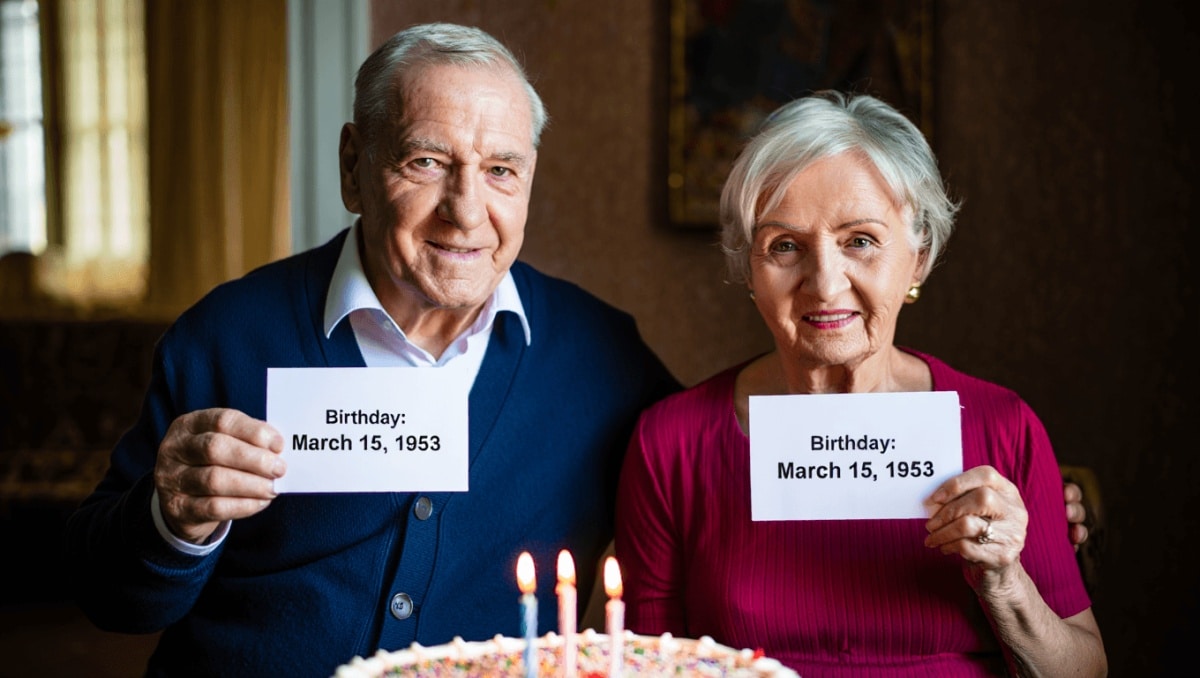
Two people celebrate their 70th birthday. Their ID cards match, but inside their bodies the story can be very different. A new U.S. study now suggests a well-known vaccine for older adults may be linked with signs of slower biological aging.
Large U.S. cohort links shingles vaccine with gentler molecular aging
Researchers analyzed a population sample to explore whether the shingles shot correlates with measurable differences in aging biology.
Eggs every day for months: simple check reveals shocking blood test result
Popular childhood food ingredient may raise adult anxiety: study
- Study name: Association between shingles vaccination and slower biological aging.
- Data source: Health and Retirement Study, a long-running U.S. cohort.
- Participants: 3,884 people aged 70 or older in 2016.
- Published: The Journals of Gerontology, January 20, 2026.
The investigation was led by Jung Ki Kim and Eileen Crimmins from the University of Southern California. They compared a range of biomarkers tied to aging.
Which biological signals were compared
The team assessed features across immune, cardiovascular and molecular systems. Their goal was to capture aging at multiple levels.
- Chronic inflammation markers.
- Immune function indicators.
- Cardiovascular performance proxies.
- Signals of neurodegeneration.
- Epigenetic and transcriptomic aging measures.
Vaccinated seniors showed more favorable biomarker profiles
On average, people who reported receiving the shingles vaccine had patterns consistent with slower molecular aging.
They displayed lower chronic inflammation and slower epigenetic aging. Their composite biological age score also trended better than unvaccinated peers.
Scientists tracked how certain genes turn on or off with time. The vaccinated group’s gene-activity patterns suggested a less rapid molecular drift.
Some associations persisted among individuals vaccinated four or more years before testing.
Possible biological explanation: reducing low-grade inflammation
One plausible mechanism involves the so-called inflammaging process.
How preventing shingles could ease immune strain
- The varicella-zoster virus can reactivate and trigger localized, painful episodes.
- These reactivations may repeatedly challenge the immune system over years.
- By preventing reactivation, vaccination could reduce chronic, low-level immune activation.
Researchers caution this remains a hypothesis. The study finds an association, not a proven causal chain.
Other studies hint at broader benefits beyond preventing shingles
Previous research has also raised questions about wider effects of shingles vaccination.
- 2025 analysis in Wales treated vaccine rollout as a natural experiment. It found about a 20% lower relative risk of dementia over seven years among vaccinated groups.
- A 2024 Nature Medicine paper compared the recombinant vaccine Shingrix with the older live vaccine Zostavax. Shingrix was linked to a lower dementia risk in the years after vaccination.
Authors of those papers likewise urged randomized trials to confirm whether the relationships are causal.
Why this study does not prove the vaccine “reverses” aging
The design limits what the data can show. Measurements were taken at a single point and can’t establish time order.
- Observational data can reflect healthy-user bias. Vaccinated people may pursue healthier lifestyles.
- The study mainly included older, earlier-generation vaccines like Zostavax, not only the modern Shingrix.
- Confounding factors—medical visits, socioeconomic status, diet—can influence biomarker profiles.
To claim the shot adds years of biological youth would require long-term follow-up and randomized trials.
Implications for seniors and clinicians
For now, the primary reason to vaccinate remains prevention of shingles and its complications.
- Vaccination protects against a painful disease. That benefit is well established.
- The possibility of added effects on aging biology is intriguing. It may influence future research and policy.
- Doctors should continue to follow public-health guidelines while watching for new evidence.
Researchers say the next steps include longitudinal studies, clinical trials, and deeper lab work. These would test mechanisms and rule out confounders.
What scientists will need to confirm a true anti-aging effect
- Randomized controlled trials that measure aging biomarkers before and after vaccination.
- Longitudinal cohorts tracking clinical outcomes like dementia and disability.
- Cellular and molecular studies to map how vaccination alters immune and epigenetic pathways.
Until then, the link between shingles vaccination and slower biological aging remains a promising lead, not a finished finding.










