
Show summary Hide summary
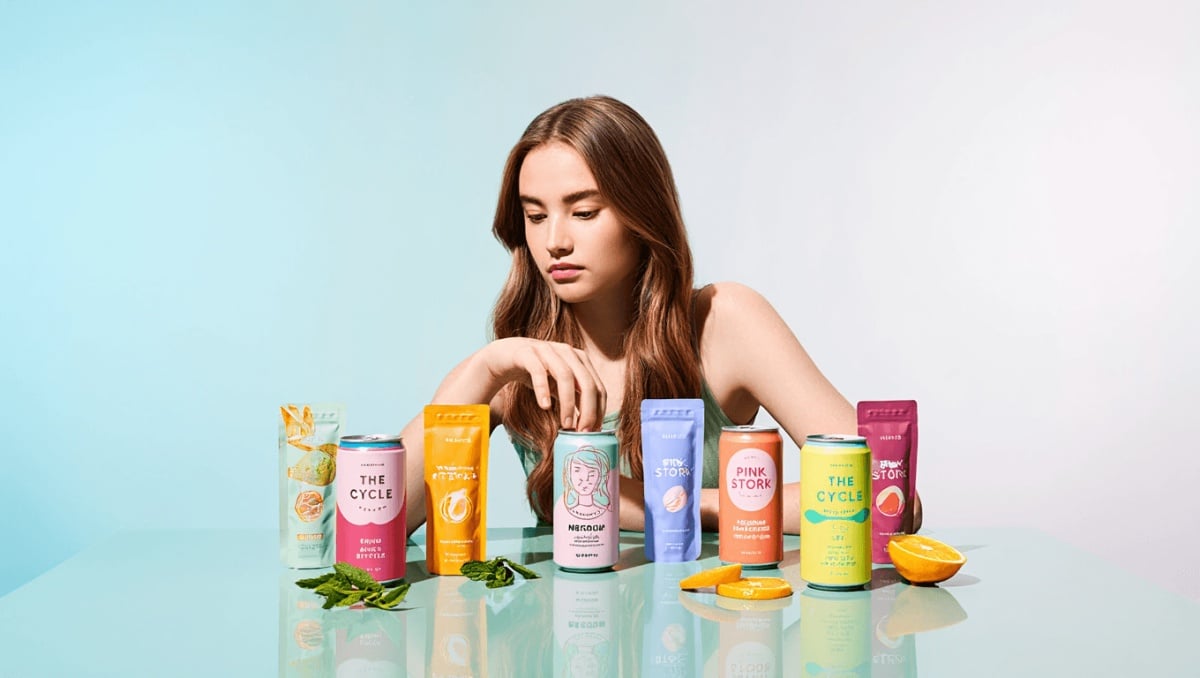
The market for menstrual-focused drinks has exploded, promising relief for cramps, mood swings and bloating with cans and sachets you can buy online. Brands from The Cycle to Pink Stork and Mixhers tout formulas for different phases of the cycle. Consumers are left asking whether these beverages deliver real benefits or simply capitalize on a trend.
What the research actually supports about period drinks and ingredients
Many of these products fall under the “functional beverage” label. They add herbs, minerals or targeted extracts to water or tea bases to claim symptom relief beyond hydration. A few ingredients do have clinical data behind them.
- Chasteberry (vitex) — Linked to reduced premenstrual symptoms like breast tenderness, irritability and mood swings in several studies.
- Ginger — Has anti-inflammatory and anti-nausea effects. Some trials show it can ease menstrual pain similar to NSAIDs.
- Lemon balm — May help calm the nervous system and improve mood by influencing GABA activity in the brain.
Eggs every day for months: simple check reveals shocking blood test result
Popular childhood food ingredient may raise adult anxiety: study
Herbs with traditional use but weaker proof
Other botanicals appear frequently on labels but lack strong randomized trials specifically for PMS. They are still used widely in traditional medicine.
- Chamomile, fennel, cinnamon and turmeric — show anti-inflammatory or antispasmodic potential in some studies.
- Raspberry leaf, nettle and motherwort — commonly recommended for cramps or heavy flow, though human data is limited.
- Dong quai, white peony and Siberian ginseng — rooted in traditional formulas but with sparse high-quality clinical evidence for PMS relief.
How dose and formulation affect whether a drink works
Even when an ingredient has proof, amounts matter. Many beverages contain low doses that differ from those used in clinical trials.
- Study-matched dosing — Effective results often come from specific amounts tested in research. Labels may not match those levels.
- Delivery form matters. Extracts standardized for active compounds can be more reliable than loose herbal mixes.
- Combining many small-quantity ingredients rarely produces the same effect as a single well-dosed component.
Risks, interactions and labeling red flags to watch for
Just because a product is natural does not mean it is harmless. Some components can cause side effects or interfere with medications.
- Blood-thinning herbs: Dong quai and others may increase bleeding risk.
- Hormone-influencing herbs: Chasteberry, licorice and ginseng can affect hormonal pathways and interact with contraception or hormone-sensitive conditions.
- Excess iron in a drink may cause constipation or gastrointestinal upset in people who don’t need supplements.
- Stacking multiple products can lead to accidental overdosing on vitamins or minerals.
- Proprietary blends — If a label hides exact dosages, you cannot know whether ingredients are present at therapeutic levels.
Practical safety checks
- Read ingredient lists and look for exact milligrams, not just a blend name.
- Avoid products that lack third-party testing or transparent sourcing.
- Talk to your clinician before using herbal formulas if you take prescriptions, are pregnant, breastfeeding, or have a bleeding disorder.
Everyday strategies that often outperform a canned tonic
Experts recommend viewing period beverages as an optional aid, not a replacement for proven approaches. Lifestyle choices usually yield the most consistent relief.
- Regular physical activity and consistent sleep patterns reduce fatigue and mood swings.
- A balanced diet rich in whole foods supports energy and inflammation control.
- Heat therapy, yoga and relaxation techniques can ease cramping and stress.
- The most severe symptoms often respond better to medications such as NSAIDs, SSRIs or hormonal contraceptives.
- Work with your healthcare provider to rule out conditions like endometriosis or iron-deficiency anemia before self-medicating.
How to choose a period drink wisely
If you want to try a menstrual beverage, follow a simple shopping checklist to avoid wasting money or exposing yourself to risk.
- Check for clear ingredient dosages and look for names of clinically studied extracts.
- Prefer brands that disclose third-party lab testing and certificate of analysis.
- Avoid multiple overlapping supplements that could push you past safe nutrient limits.
- Start with single-ingredient products or low doses to assess tolerance.
- Track symptoms before and after trying a product for one or two cycles to judge benefit objectively.










