
Show summary Hide summary
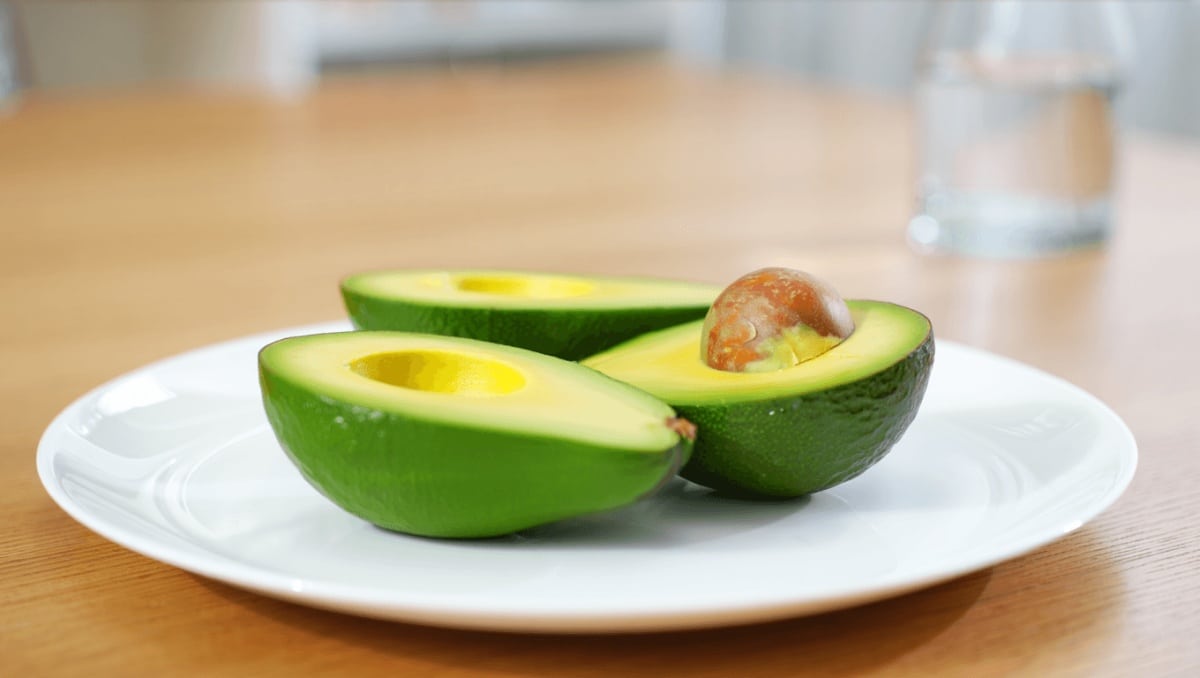
A single avocado on your breakfast plate could do more than elevate your toast. New research suggests that adding one avocado a day may shift the makeup of harmful blood particles in people with obesity, nudging down their risk for heart disease even when body weight doesn’t change.
Daily avocado intake tied to lower LDL particle counts and heart risk
Scientists report that consuming one avocado each day was associated with a measurable drop in low-density lipoprotein (LDL) particle concentration. That shift translated into an estimated about 4% lower risk of heart disease for adults with abdominal obesity.
Eggs every day for months: simple check reveals shocking blood test result
Popular childhood food ingredient may raise adult anxiety: study
Importantly, the change came without reductions in waist size or body weight. The result points to a benefit that comes from what you eat, not from losing pounds.
How changes in LDL particles affect cardiovascular risk
Cholesterol tests typically measure the amount of LDL cholesterol. But experts say the number and size of LDL particles can matter more.
- Smaller, more numerous LDL particles penetrate artery walls more easily.
- That penetration encourages plaque buildup and narrows blood vessels.
- Two people with the same LDL level can have different risks if their particle counts differ.
Lower particle counts reduce the chance of blockages that trigger heart attacks or strokes. The new study suggests avocado consumption can influence that particle profile.
What the Penn State trial looked like
The analysis used data from a six-month dietary experiment run by Penn State researchers.
- Participants were adults with obesity and excess belly fat.
- One group added one avocado per day to their usual meals.
- A comparison group continued their regular diet without an extra avocado.
- Researchers measured LDL particles and other lipids before and after the study.
The trial was designed to reflect everyday eating patterns. Aside from the avocado, participants did not change their typical diets.
Why real-world diet studies matter
Earlier trials showed avocado benefits when researchers tightly controlled what people ate. This new study tested the effect in a less rigid setting.
Because participants kept their normal food routines, the findings suggest adding an avocado can help even when overall diets vary.
Dietary mechanisms: what in avocados could help
Avocados are rich in monounsaturated fats, fiber, and plant nutrients. These components may influence how lipids are packaged and transported in the blood.
- Monounsaturated fats can improve blood lipid profiles.
- Fiber supports digestion and may affect cholesterol metabolism.
- Plant bioactives could modulate inflammation and vascular health.
Researchers did not alter other foods, so the avocado itself is likely the key variable associated with the LDL particle change.
Expert takeaways and next steps in research
Study leaders caution that the improvements were modest, but meaningful at a population level.
They view this as evidence that simple food swaps can influence heart-related biomarkers. The team plans further work to confirm findings and explore long-term outcomes.
Adding one avocado a day may be a practical step for people with obesity who want to support heart health without dramatic lifestyle upheaval.










