
Show summary Hide summary
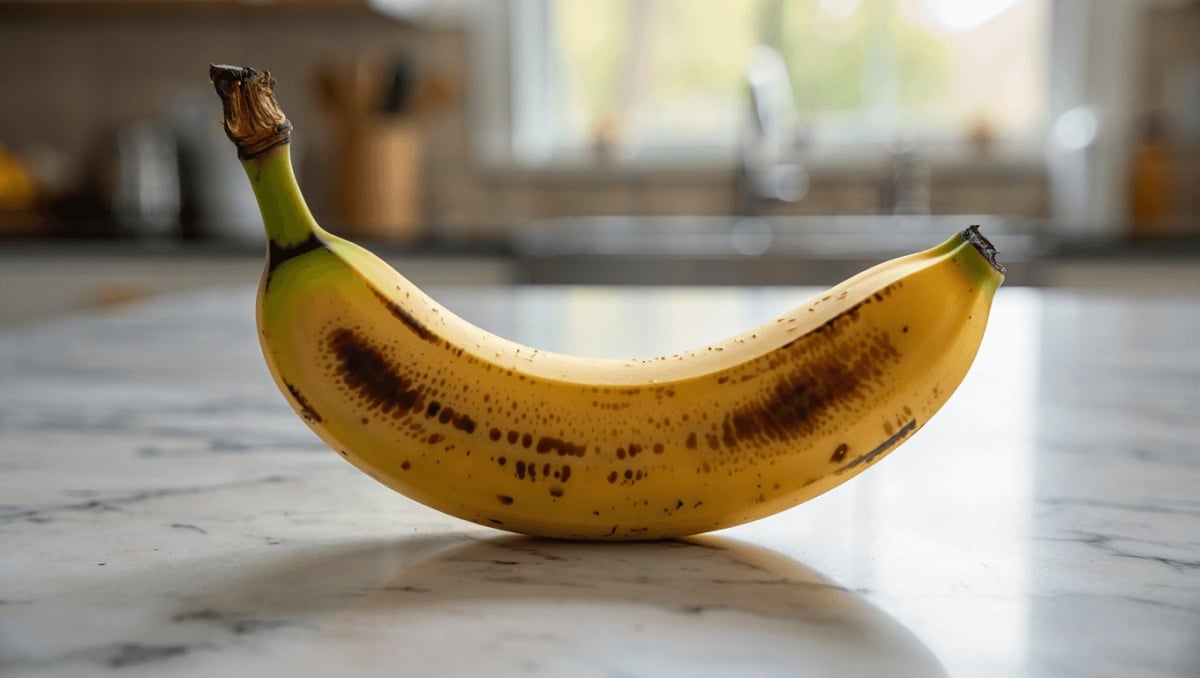
You might glance at a heavily spotted banana and wonder if it belongs in the trash. Far from being worthless, a very ripe banana has a changed chemistry that can help or hinder you, depending on your health and how you eat it.
Why a very ripe banana can be a smart choice
As bananas ripen, they become sweeter and softer. This makes them easier to chew and digest.
Eggs every day for months: simple check reveals shocking blood test result
Popular childhood food ingredient may raise adult anxiety: study
- Faster digestion: much of the banana’s starch turns into simple sugars.
- Quick energy boost: those sugars are rapidly available for muscles and the brain.
- Still nutrient-dense: ripe bananas supply potassium, vitamin B6 and fiber.
People with sensitive stomachs, children, older adults or anyone recovering from illness often tolerate ripe bananas better. Athletes find them useful before or after exercise for fast refueling.
How ripening transforms banana chemistry
The peel color signals internal changes. Those spots are not just cosmetic.
From resistant starch to sugar
Green bananas contain resistant starch. This behaves like fiber and feeds beneficial gut bacteria.
As the fruit turns yellow and then spotted, enzymes break starch down into glucose, fructose and sucrose. The flesh softens and the taste becomes noticeably sweeter.
Different stages, different effects
- Green: higher resistant starch, slower carbohydrate absorption, more filling.
- Yellow: balanced starch and sugar; good middle ground for most people.
- Spotted or dark: mostly simple sugars; very soft and sweeter.
Freezing tip: peeled, frozen ripe bananas are ideal for smoothies and homemade ice cream.
Blood sugar: what a very ripe banana does
One key question is how ripe bananas affect blood glucose.
Because ripe bananas contain more free sugars, they raise blood sugar faster than greener ones.
Most healthy people handle this rise with normal insulin response. Still, people with diabetes or insulin resistance should be more mindful.
- Choose a yellow or slightly green banana for slower glucose release.
- Combine a ripe banana with protein or healthy fat to blunt spikes.
- Examples: a handful of nuts, Greek yogurt, or natural peanut butter.
Diet tip: don’t demonize ripe bananas. Context matters: portion size, what you eat them with, and your overall diet.
Practical uses, storage hacks and who benefits most
Overripe bananas are versatile in the kitchen and handy for specific needs.
- Use in baking: banana bread, pancakes, muffins—to add moisture and sweetness.
- Blend into smoothies for immediate energy and creamy texture.
- Freeze slices for snacks or to reduce food waste.
Who should prefer very ripe bananas?
- Athletes needing quick carbohydrates before or after training.
- People with digestive sensitivity who need gentler foods.
- Anyone looking for a natural sweetener in recipes.
Simple rules to choose the right banana for your goal
- For energy fast: pick a spotted banana.
- For steady blood sugar: choose yellow or slightly green.
- For gut health: include some green banana or resistant-starch sources.
Adjust portions and pairings based on your medical situation and activity level. Small changes make a big difference.
Share your experience
Have you tried bananas at different ripeness stages? Tell us what worked or what surprised you in the comments.










