
Show summary Hide summary
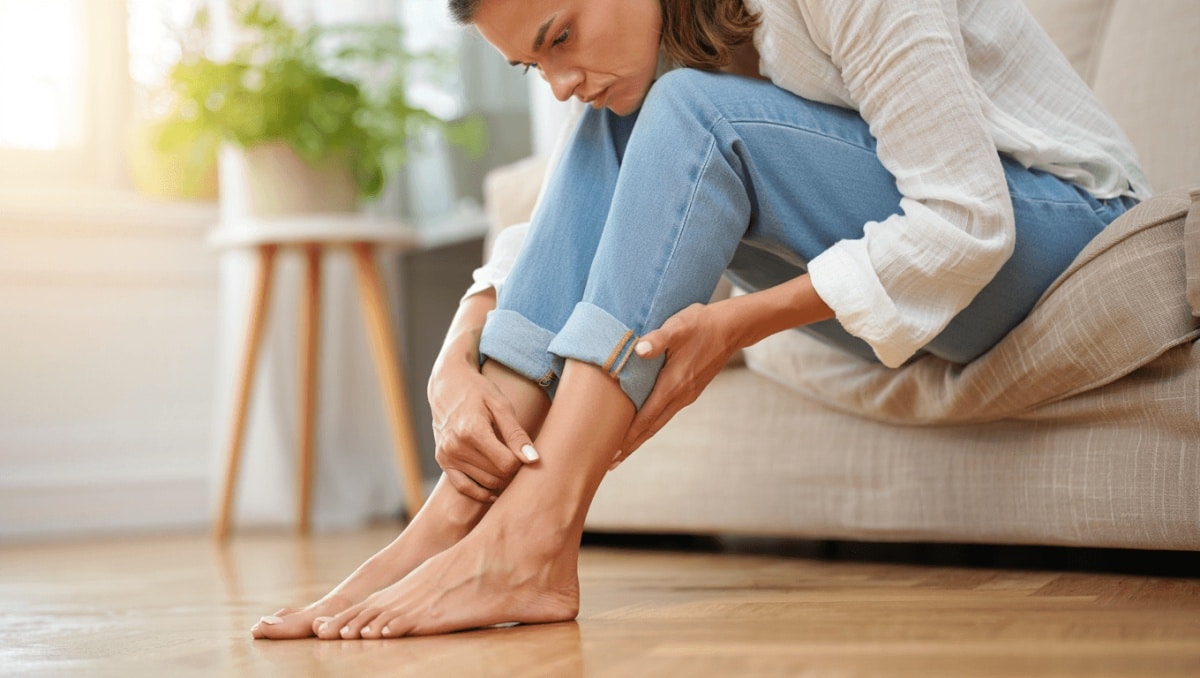
You kick off your shoes after a long day and spot it: swollen ankles and heavy legs that feel tight and tired. This common complaint can come from harmless daily habits—or signal a circulatory issue worth checking.
Why your ankles swell in the evening: the usual suspects
Swelling around the feet and ankles is called edema. It reflects a build-up of fluid in the tissues.
Eggs every day for months: simple check reveals shocking blood test result
Popular childhood food ingredient may raise adult anxiety: study
When swelling appears slowly in both legs and eases after a night’s rest, it often points to blood pooling in the lower limbs.
- Calf muscles normally act as a pump to push blood back to the heart.
- Prolonged sitting or standing reduces this pump action and encourages fluid to collect in the ankles.
- Heat makes veins dilate and increases swelling. That explains why summer evenings often worsen the problem.
- Other contributors include pregnancy, aging, overweight, lack of activity, and a family tendency to weak veins.
- Certain medications can cause fluid retention. Heart, kidney, or liver disease can also produce generalized swelling.
Repeated or worsening swelling should prompt a medical review to exclude a more serious cause.
One leg swollen vs both legs: why the distinction matters
Observe whether swelling affects both ankles or just one. The pattern changes the level of concern.
- If both ankles swell slowly after a hot or sedentary day, the cause is often benign.
- If one leg suddenly swells, becomes red, warm, or painful, this may indicate a blood clot in a deep vein.
- Deep vein thrombosis (DVT), also known as phlebitis, requires immediate medical attention.
- A clot can travel to the lungs and cause a pulmonary embolism. Do not ignore sudden, unilateral symptoms.
Persistent swelling in both legs may still need investigation. A physician can review drugs, look for venous insufficiency, and order tests if needed.
Practical measures to reduce ankle swelling and heavy legs
Small daily habits can ease symptoms for many people.
- Move regularly. Aim for a daily walk of at least 20 minutes.
- If you sit for long periods, stand up every 30–60 minutes and do ankle pumps.
- Flex your feet like pressing and releasing a gas pedal to activate the calf pump.
- Use a cool shower on the legs, running water from ankles toward the knees.
- Avoid hot baths, saunas, and long sun exposure that increase vein dilation.
- Sleep with feet slightly elevated, about 10–15 cm, to help venous return.
- Wear loose clothing that does not constrict the thighs or calves. Avoid tight boots and very high heels.
- Watch salt intake. Too much sodium can worsen fluid retention, especially with heart or kidney issues.
- Do not self-prescribe diuretics, herbal “drainers,” or supplements without medical advice.
Compression stockings can help, but they should be fitted on a professional’s recommendation.
When to see a doctor and what they may do
Make an appointment if swelling persists or returns often. A clinician can search for underlying causes.
- See your doctor if swelling does not improve with lifestyle adjustments.
- Consult when varicose veins appear or the skin changes color or texture.
- Physicians may order an echo-Doppler ultrasound to check venous flow.
- They will review medications and suggest specific treatments, including properly fitted compression.
Seek urgent help if swelling comes with any of these signs:
- Sudden shortness of breath
- Chest pain
- Fainting or major dizziness
- Rapid, unusual heartbeat or coughing up blood
These symptoms may indicate a medical emergency such as a pulmonary embolism. Call emergency services immediately.
Tips for daily habits that protect your circulation
- Break up long journeys with walks and calf exercises.
- Keep a healthy weight to reduce venous pressure.
- Stay hydrated and limit salty processed foods.
- Choose shoes and clothing that support movement and avoid compressing the legs.
- Discuss any new or persistent swelling with your healthcare provider.
Tell us about your experience
Do you often end the day with heavy legs or puffy ankles? Share what helps you cope in the comments.










