
Show summary Hide summary
- How people describe the problem: common signs and timing
- What clinicians believe might be causing these foot symptoms
- What the medical evidence shows so far
- Steps doctors typically recommend if you notice symptoms
- Practical measures to manage symptoms at home
- Who is more likely to develop neuropathy symptoms
- How clinicians weigh treatment benefits against possible nerve risks
- Questions researchers are still trying to answer
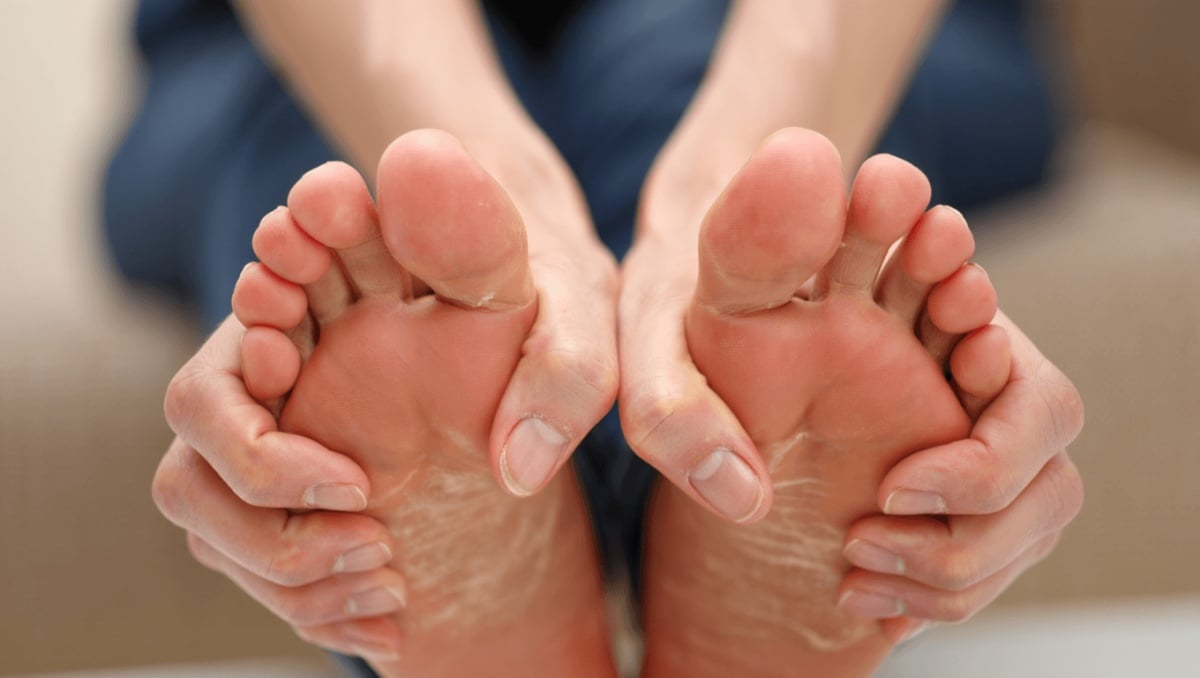
Patients using GLP-1 weight-loss drugs such as Ozempic have begun reporting strange sensations in their feet — tingling, numbness and burning — a cluster of complaints quickly nicknamed “Ozempic feet.” Doctors and neurologists are investigating whether these symptoms are a direct drug effect, a consequence of fast weight loss, or an unrelated nerve condition revealing itself as people shed pounds.
How people describe the problem: common signs and timing
Reports vary, but several themes recur in clinical encounters and online forums.
Eggs every day for months: simple check reveals shocking blood test result
Popular childhood food ingredient may raise adult anxiety: study
- Persistent tingling or pins-and-needles in the toes and soles.
- Intermittent numbness that comes and goes.
- Burning pain or heightened sensitivity to touch.
- Worsening balance or unusual foot cramps.
- Symptoms appearing weeks to months after starting a GLP-1 medication or after rapid weight loss.
Not everyone on these medications develops symptoms. But when they do, patients often seek urgent answers.
What clinicians believe might be causing these foot symptoms
There is no single proven mechanism. Doctors consider several plausible explanations, often investigating more than one at a time.
Rapid weight loss unmasking nerve problems
Sudden, significant weight loss can stress the body. Some physicians think nerves that were already vulnerable become symptomatic when fat and support tissues shrink quickly.
Nutritional deficiencies
When people lose weight quickly or change diets, levels of certain nutrients can fall.
- Low vitamin B12 or thiamine can cause peripheral neuropathy.
- Reduced intake or malabsorption raises the risk.
Compression injuries after body changes
Loss of cushioning and changes in posture can increase pressure on nerves at the ankle or knee. New footwear after weight loss can also irritate nerves.
Immune or drug-related nerve reactions (rare)
Some medications trigger autoimmune responses that attack peripheral nerves. Current evidence for GLP-1 drugs causing this is limited but under review.
Direct drug effect is still under study
Researchers are exploring whether GLP-1 receptor signaling could influence neural health. At present, this remains speculative.
What the medical evidence shows so far
Data are mixed and largely preliminary. Most information comes from case reports, patient registries and adverse-event submissions.
- Small case series describe new-onset neuropathic symptoms after starting GLP-1 therapy.
- Large randomized trials focused on cardiovascular and metabolic outcomes have not flagged a clear neuropathy signal.
- Regulatory databases include reports, but causality has not been established.
Experts call for more systematic studies to determine incidence, timing and risk factors.
Steps doctors typically recommend if you notice symptoms
Early evaluation helps identify reversible causes and prevents progression.
- Contact the clinician who prescribed the medication.
- Assess blood work: B12, TSH, glucose, and nutritional markers.
- Conduct a neurological exam to map the affected areas.
- Consider nerve conduction studies or referral to a neurologist.
- Review medications and recent weight-loss pace.
Do not stop a prescribed medication abruptly without medical advice. Some patients may need dose adjustments or a supervised switch.
Practical measures to manage symptoms at home
- Wear supportive, well-fitting shoes to reduce pressure.
- Monitor blood sugar closely if diabetic or prediabetic.
- Ensure adequate intake of B vitamins and follow lab-directed supplementation.
- Use topical treatments or over-the-counter analgesics for mild pain.
- Start gentle balance and strengthening exercises under guidance.
For moderate to severe neuropathic pain, clinicians may prescribe specific nerve pain medications or recommend physical therapy.
Who is more likely to develop neuropathy symptoms
Certain factors increase baseline risk, prompting doctors to monitor these patients closely.
- Existing diabetes or elevated blood sugar.
- Heavy alcohol use or prior nerve disease.
- Preexisting vitamin deficiencies.
- Very rapid weight loss in a short period.
High-risk patients should have baseline screens before and during therapy.
How clinicians weigh treatment benefits against possible nerve risks
GLP-1 drugs offer meaningful weight loss and metabolic gains. Clinicians evaluate risks case by case.
- Assess severity of symptoms vs. benefits in weight and blood sugar control.
- Discuss alternatives and monitoring plans with the patient.
- Adjust therapy if a link to neuropathy seems likely.
Shared decision-making helps patients and providers navigate uncertain trade-offs.
Questions researchers are still trying to answer
- How common are these foot symptoms among all GLP-1 users?
- Do symptoms resolve if the drug is stopped or the weight stabilizes?
- Which biological pathways might link GLP-1 activity to nerve changes?
- Can preventive strategies reduce incidence?
Ongoing studies and stronger pharmacovigilance will clarify these points in the months ahead.










