
Show summary Hide summary
- Five urgent signs that should prompt immediate medical attention
- Six common, vague complaints people blame on the liver — often incorrectly
- Everyday threats to your liver: alcohol, sugar, medications, and supplements
- Turmeric supplements: what health authorities found and what to watch for
- Simple lifestyle steps that help your liver recover
- When to see a doctor and what tests are likely
- Tell us — which of these liver signals surprised you most?
Your liver works quietly, without pain signals, and can tolerate stress for years. That silence makes early liver trouble easy to miss. Read on to learn the clear warning signs that need fast attention and the subtler symptoms people often blame on a “toxic” liver.
Five urgent signs that should prompt immediate medical attention
- Yellowing of skin or eyes (jaundice): A yellow tint to your skin or the whites of your eyes signals bile or liver dysfunction. This requires urgent evaluation.
- Dark brown urine: Tea-colored urine despite normal fluid intake often accompanies jaundice and suggests liver or bile problems.
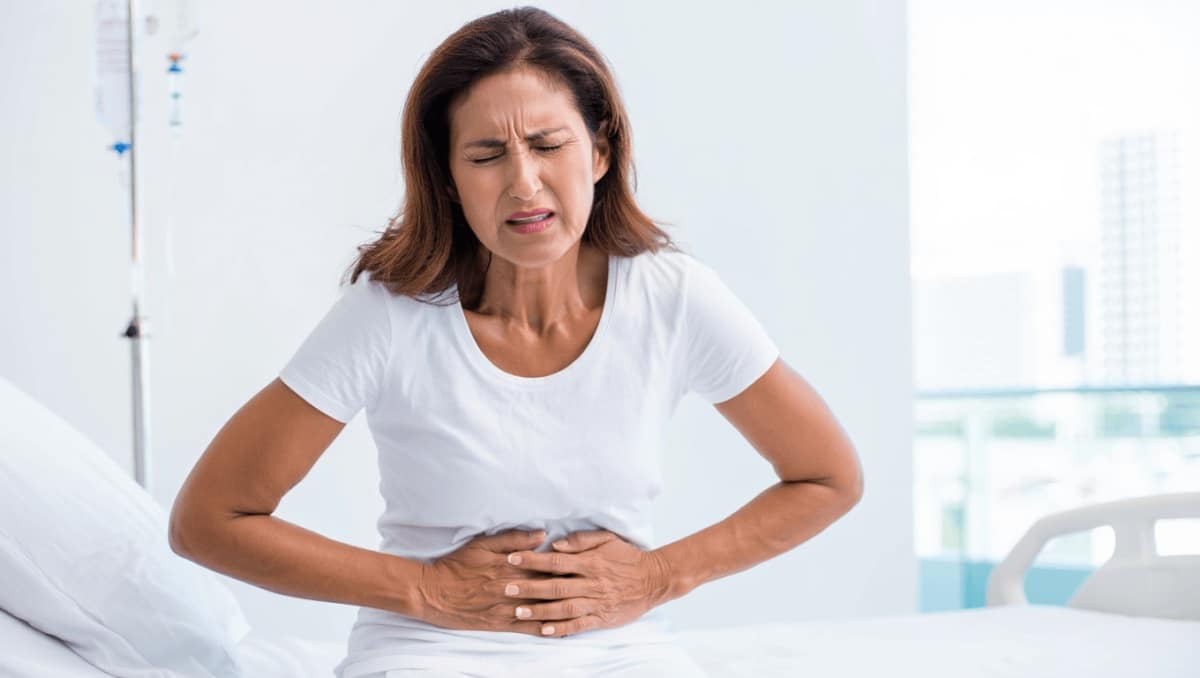
- Pain or pressure under the right rib cage: Discomfort in the upper right abdomen can reflect liver inflammation, enlargement, or gallbladder issues.
- Widespread itching without a rash: When bile flow is impaired, substances can build up under the skin and cause persistent itchiness.
- Severe fatigue with nausea and loss of appetite: Intense tiredness combined with nausea and reduced appetite, especially with unexplained weight loss, merits a prompt blood workup.
Eggs every day for months: simple check reveals shocking blood test result
Popular childhood food ingredient may raise adult anxiety: study
These five signs are the ones clinicians treat as red flags. A simple liver blood panel helps clarify what’s happening.
Six common, vague complaints people blame on the liver — often incorrectly
- Persistent tiredness even after good sleep. This can stem from many causes beyond the liver.
- Bloating and sluggish digestion, especially after fatty meals. The liver aids fat digestion, but other causes are frequent.
- Unexplained weight gain or stubborn extra kilos. Metabolism, diet, hormonal issues, or activity levels often explain this first.
- Skin troubles such as acne, eczema, or a dull complexion. These may be linked to many factors including hormones and skin care.
- Mood swings and irritability with focus problems. Stress, sleep, and mental health commonly drive these symptoms.
- Irregular bowel habits alternating between constipation and loose stools. Gut issues frequently originate outside the liver.
These signs can accompany liver fatigue, but they also point to stress, sleep problems, thyroid disorders, medications, or diet. They become more worrisome when they persist or join the urgent five signs.
Everyday threats to your liver: alcohol, sugar, medications, and supplements
Not all liver damage comes from dramatic events. Much of it is cumulative and close at hand.
- Alcohol: Regular consumption does the most harm. Frequency matters more than rare binges.
- Sugar and excess weight: High intake of sugars, especially fructose, can lead to non-alcoholic fatty liver disease (NAFLD). You do not need to drink alcohol to develop a fatty liver.
- Paracetamol (acetaminophen) and self-medication: Sticking to recommended doses is usually safe. Exceeding them or mixing with alcohol can severely stress the liver.
- Dietary supplements: Many people underestimate their impact. Supplements can carry active compounds and additives that increase liver workload.
Turmeric supplements: what health authorities found and what to watch for
Turmeric in food is safe for most people. But high-dose curcumin supplements deserve caution.
- The French health agency (ANSES) recorded over 100 reports of adverse effects tied to curcumin supplements.
- Among those reports were about 15 cases of hepatitis, with additional similar cases noted across France and Italy.
- Many supplements use enhancers like piperine to boost absorption. That raises curcumin levels and can increase liver strain.
ANSES recommends against curcumin supplements for people with liver or bile conditions. Always consult your physician or pharmacist before starting concentrated herbal products. The powdered spice in your meals is a different matter from a high-dose capsule.
Simple lifestyle steps that help your liver recover
- Cut back on alcohol and added sugars. Reducing sodas, industrial juices, and ultra-processed foods makes a big difference.
- Fill your plate with vegetables. Greens, broccoli, artichoke, and root vegetables support liver function.
- Include sulfur-rich foods like garlic, onions, and cruciferous vegetables to supply nutrients the liver uses.
- Stay hydrated. Regular water intake supports both liver and kidney elimination pathways.
- Move regularly. Daily walks and moderate activity help reduce fat stored in the liver, even without visible weight loss.
- Avoid miracle detoxes. Your liver constantly processes toxins; balanced diet and hydration are safer than fad cleanses.
These changes are often enough to improve liver markers over time. Still, if you suspect a real problem, a medical blood test is the right next step.
When to see a doctor and what tests are likely
- Seek urgent care for jaundice, dark urine, severe right upper abdominal pain, or intense itching.
- Primary care will often order a liver function panel including ALT, AST, bilirubin, and alkaline phosphatase.
- Depending on results, doctors may request viral hepatitis testing, imaging (ultrasound), or specialist referral.
- Discuss any supplements or frequent medications you take. They can change test interpretation and treatment plans.
A routine blood test is a quick way to check liver health. It can reveal problems long before symptoms become severe.
Tell us — which of these liver signals surprised you most?
Share your thoughts or questions in the comments. If you’re worried about any symptom, contact a healthcare professional for personalized advice.










