
Show summary Hide summary
- Why early detection changes outcomes for skin cancer
- Small changes on the skin that deserve attention
- How moles and spots evolve: what to track
- Other often-overlooked warning signs
- Risk factors that raise the odds of developing skin cancer
- When to contact a clinician or dermatologist
- Simple steps for effective self-exams and documentation
- Diagnostic tools clinicians may use
- Practical prevention steps to lower risk
Skin cancer can appear in quiet ways: a tiny scab that won’t heal, a new freckle in an odd spot, or a subtle streak under a nail. Many of these signals are easy to ignore, but spotting them early often means simpler treatment and better outcomes. Below are practical, reader-friendly clues and actions to help you recognize warning signs and act fast.
Why early detection changes outcomes for skin cancer
Finding skin cancer at an early stage increases treatment options and survival. Melanoma, though less common, can spread quickly. Nonmelanoma types like basal cell and squamous cell cancers grow more slowly but still cause damage if unchecked.
Eggs every day for months: simple check reveals shocking blood test result
Popular childhood food ingredient may raise adult anxiety: study
- Early diagnosis often requires only local treatment.
- Advanced disease may need surgery, radiation, or systemic therapy.
- Regular checks create a clearer timeline of changes.
Small changes on the skin that deserve attention
Not all dangerous lesions look dramatic. These subtle signs are commonly missed during casual visits to the mirror.
- New bumps that grow or won’t fade.
- Scaly or crusty patches that bleed with minor trauma.
- Persistent redness or inflammation around a single spot.
- Sore that heals then reopens repeatedly.
How moles and spots evolve: what to track
Moles can change slowly. Tracking specific features helps separate harmless shifts from risky ones.
Watch these characteristics closely
- Shape: Asymmetry or an irregular outline.
- Edge: Blurry, notched, or poorly defined borders.
- Color: Multiple tones or sudden darkening.
- Size: Rapid growth or diameter over 6 mm can be a warning.
- Evolving: Any steady change in a spot’s look or feel.
Other often-overlooked warning signs
Some signs appear in unusual places or mimic benign conditions.
- Itchy, tender, or painful skin that doesn’t respond to usual care.
- Wart-like growths that rapidly increase in size.
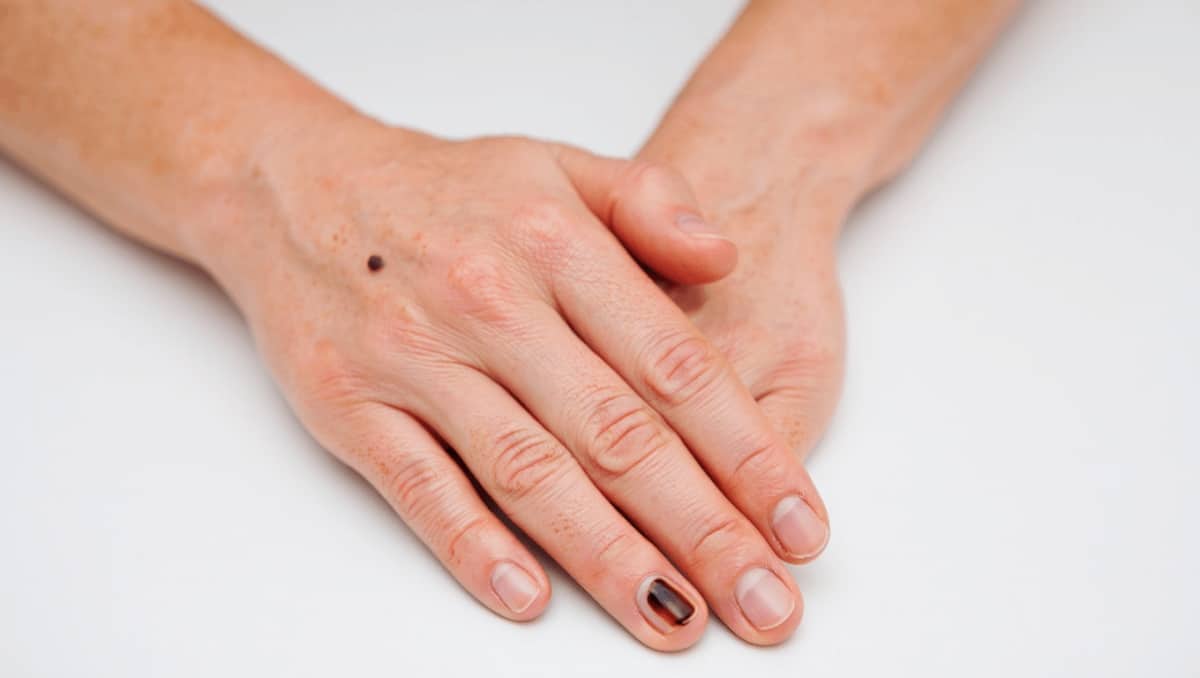
- Dark lines beneath fingernails or toenails that are new.
- A flat patch of skin that slowly becomes thicker or rough.
- Pearly, translucent bumps or a depressed center on the face or neck.
Risk factors that raise the odds of developing skin cancer
Knowing the factors that increase risk can sharpen vigilance during self-checks and doctor’s visits.
- History of intense sunburns or frequent tanning-bed use.
- Fair skin, light hair, and freckles.
- Many moles or unusual (atypical) moles.
- Family history of melanoma or other skin cancers.
- A weakened immune system from medication or disease.
When to contact a clinician or dermatologist
Not every change means cancer, but timely evaluation matters.
- Any new skin lesion that grows or bleeds should prompt a visit.
- Moles that change in shape, color, or size need professional review.
- Nonhealing sores after a few weeks should be examined.
- If you have high risk, schedule periodic skin exams with a dermatologist.
Simple steps for effective self-exams and documentation
Routine, systematic checks make it easier to spot meaningful changes.
- Inspect your skin monthly in good light.
- Use mirrors or a partner to see hard-to-reach areas.
- Photograph suspicious spots and date the images.
- Measure or note the size to track growth.
- Apply sunscreen daily and limit peak sun exposure.
Diagnostic tools clinicians may use
When you see a doctor, they may employ noninvasive tools before recommending biopsy.
- Dermoscopy to examine pigment patterns beneath the skin.
- Photographic mapping for patients with many moles.
- Biopsy when a lesion’s appearance raises concern.
Practical prevention steps to lower risk
Prevention reduces the number of suspicious spots you must monitor.
- Wear broad-spectrum sunscreen daily with SPF 30 or higher.
- Seek shade and wear protective clothing and hats.
- Avoid tanning beds and intentional sunburns.
- Keep regular skin checks if you have a family history.










