
Show summary Hide summary
- How dandelion tea affects digestion, liver and kidneys
- Simple recipes: infusion of leaves vs decoction of roots
- Flowers, culinary uses and why they’re different
- Where to gather wild dandelion and how to store it safely
- Medical cautions and who should avoid dandelion tea
- Questions to share and quick tips for readers
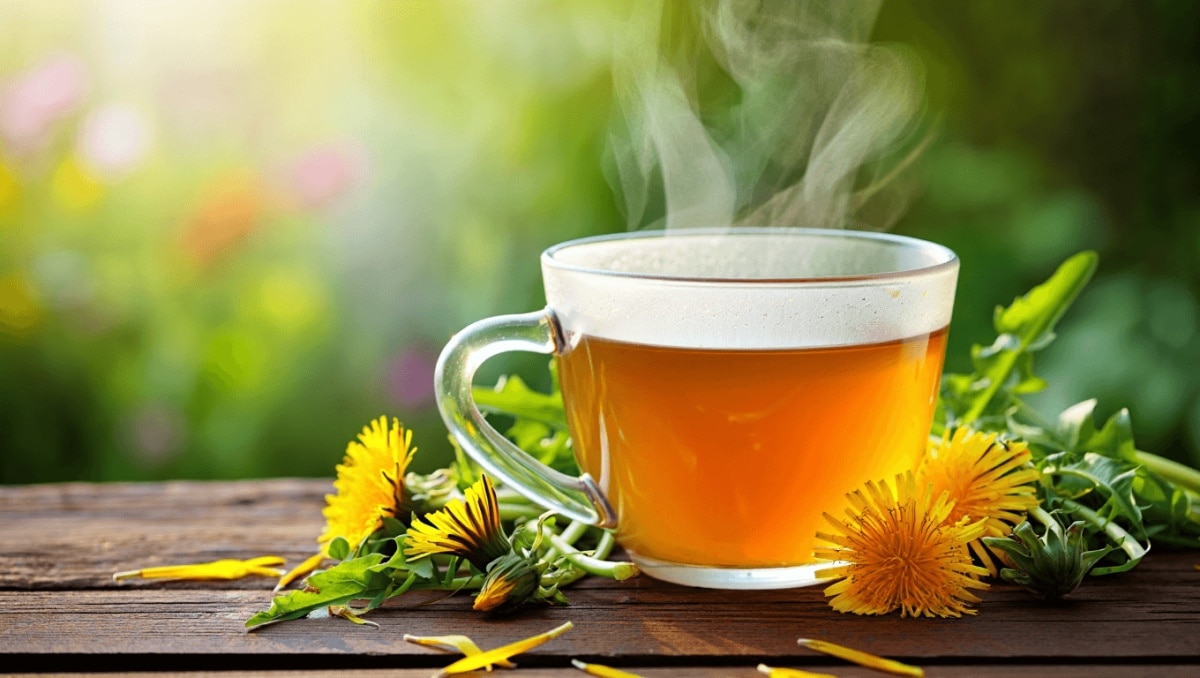
Every spring you yank dandelions from the lawn and toss them aside. Yet those weeds are a legitimate medicinal plant. You can brew a warming cup that mimics your morning ritual without caffeine. Below you’ll find how to prepare dandelion tea, what each part of the plant does, and practical tips for foraging and storage.
How dandelion tea affects digestion, liver and kidneys
Dandelion is more than a backyard nuisance. It contains bitter compounds that help trigger digestive secretions. These compounds are concentrated in the root, making root preparations most useful for the liver and digestion. The leaves act mainly as a diuretic, stimulating the kidneys and encouraging water elimination.
Eggs every day for months: simple check reveals shocking blood test result
Popular childhood food ingredient may raise adult anxiety: study
- No caffeine: this tea won’t give an espresso-like jolt.
- Bitter principles: they stimulate bile flow and digestive juices.
- Leaves: promote urine output and supply potassium.
- Roots: support digestion and liver function.
These effects explain why many enjoy dandelion tea as a gentle morning ritual. Drink it for the feeling of digestive clarity, not for weight loss. The scale may dip from water loss, but fat is not burned away.
Simple recipes: infusion of leaves vs decoction of roots
Choice of method changes the result. An infusion extracts volatile compounds from the leaves. A decoction pulls bitter, deep-acting molecules from the roots. Both use roughly 250 ml of water.
Leaf infusion — mild and diuretic
- Use 2 tsp fresh leaves or 1 tsp dried.
- Place leaves in a cup.
- Boil water and let it cool about a minute to ~90 °C.
- Pour over leaves and cover the cup to trap aromas.
- Steep 5–7 minutes, then strain and sip.
Root decoction — stronger, for digestion and liver
- Use 1 tsp dried root or a small fresh root, chopped.
- Soak root in cold water for at least 2 hours or overnight.
- Bring to a boil, then simmer covered for 10 minutes.
- Remove from heat and let steep 5 minutes more, still covered.
- Strain through a fine sieve or metal infuser.
For best digestive effect, drink the tea in small sips 30 minutes before a meal. A squeeze of lemon or a dab of honey tones down bitterness.
No garden? Dried dandelion root works year-round and stores well.
Flowers, culinary uses and why they’re different
The bright yellow blossoms are lovely but low in bitterness. That’s why official herbal guides favor the root, leaf and aerial parts, not the flower. Flowers make a pleasant, floral infusion, but they lack the digestive and diuretic punch.
Still, dandelion flowers have culinary roles:
- Cramaillotte — a sweet dandelion “honey” made by cooking flowers, sugar and lemon into a jam.
- Dandelion wine — macerated flowers produce a rustic, traditional drink.
- Fried flower fritters — battered and fried for a surprising appetizer.
Use roots for liver support, leaves for diuretic or salad, and petals for treats.
Where to gather wild dandelion and how to store it safely
Dandelion is abundant and free. Still, location matters. Avoid roadsides and areas where pets relieve themselves. Look for plants in gardens, meadows or untraveled fields.
Timing and harvesting tips
- Collect leaves in spring, before flower buds appear. Younger leaves are less bitter.
- Dig roots in autumn, from plants at least two years old.
- Use a weeding fork or dibber to extract whole roots. Work when soil is dry for easier cleaning.
- Separate leaves and roots with a knife, rinse leaves first and scrub roots to remove soil.
Drying and long-term storage
- Slice roots and shred leaves into thin strips.
- Spread in a single layer on a tray and dry 1–2 days in a warm, ventilated spot.
- When fully dry, store in an airtight jar away from light.
- Properly stored, dried dandelion lasts through the year.
Medical cautions and who should avoid dandelion tea
Natural does not mean universally safe. There are clear situations that call for caution.
- Gallstones: dandelion stimulates the gallbladder. If you have stones, consult a doctor first.
- Allergy to Asteraceae: those allergic to chamomile or ragweed may react to dandelion.
- Diuretic medication: combined effects can alter fluid and electrolyte balance.
- Children: not recommended under 12 years of age.
European recommendations suggest limiting continuous use to 2 weeks before taking a break. Ask a healthcare professional for personalized advice.
Questions to share and quick tips for readers
Have you tried dandelion tea? People usually prefer either the gentle leaf infusion or the robust root decoction. Share which you favor and how you prepare it.










