
Show summary Hide summary
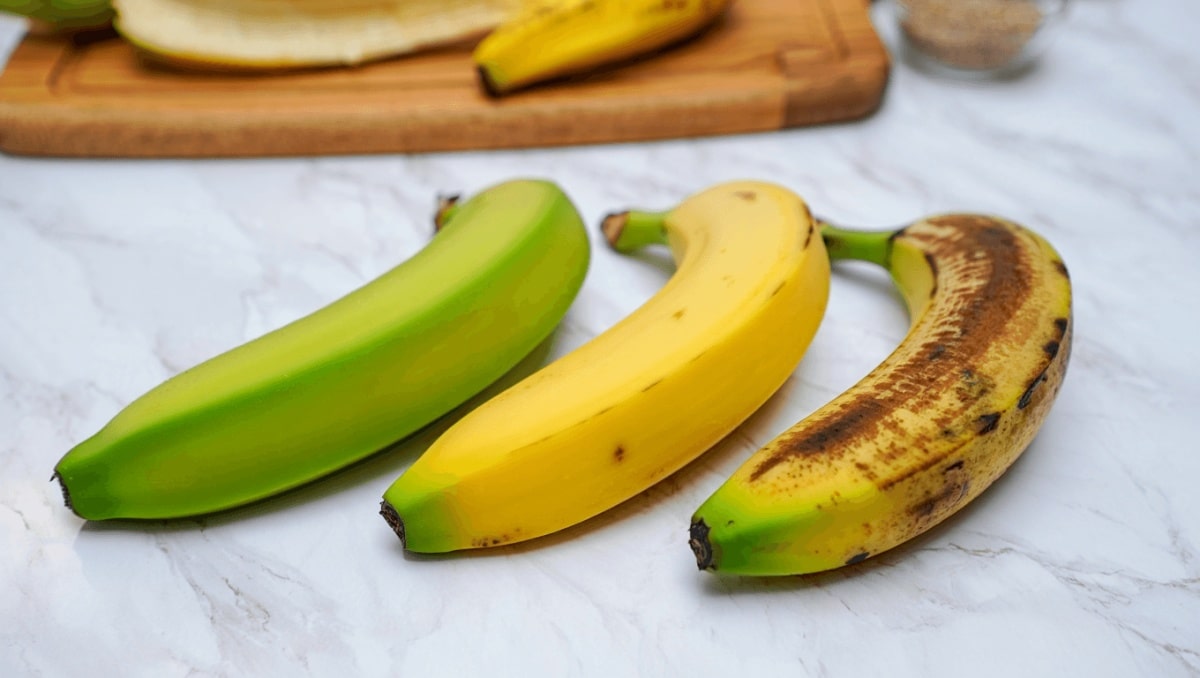
Banana color matters more than you might think. From firm green to freckled brown, the fruit’s ripeness changes its taste, texture and how your body uses it. Read on to learn which banana fits your hunger, digestion and energy needs.
How ripeness alters banana nutrition and digestion
As a banana ripens, its internal chemistry shifts. Starches break down into simpler sugars. The texture softens and the flavor sweetens.
Eggs every day for months: simple check reveals shocking blood test result
Popular childhood food ingredient may raise adult anxiety: study
Those chemical changes affect satiety, digestion and the speed of energy release. Different stages suit different goals, from keeping you full to fueling a workout.
Green bananas: a slow-burning snack that feeds your gut
Unripe, pale bananas hold more starch. Much of it is resistant starch, which resists digestion in the small intestine.
- Resistant starch feeds beneficial gut bacteria.
- It slows glucose absorption and prolongs fullness.
- Texture can be firm and slightly chalky.
When to choose a green banana
Pick a green or slightly green-tipped banana for a filling breakfast or a longer-lasting snack. Athletes or people watching blood sugar may find it useful.
If the taste is too starchy, wait a day or two or pair it with yogurt or nuts to balance flavor and nutrients.
Yellow bananas: versatile, gentle on digestion
Most households keep yellow bananas on hand. At this stage, part of the starch has turned into simple sugars.
They are sweeter, softer and easier to digest than green ones. Yet they still supply fiber, potassium and vitamin B6.
- Great for everyday meals and snacks.
- Pairs well with nuts, seeds or dairy for a more balanced bite.
- Useful before moderate exercise for steady energy.
Smart ways to eat a yellow banana
Slice one into oatmeal, blend into a smoothie or grab it with a handful of almonds. That adds protein and healthy fats.
Brown and spotted bananas: quick energy and baking gold
When brown speckles spread across the peel, most remaining starch has become sugar. The fruit tastes much sweeter and softens into a creamy texture.
That makes ripe spotted bananas excellent for fast energy and for recipes. They blend smoothly into breads, pancakes and porridge.
- Ideal around intense workouts for rapid carbohydrate.
- Perfect in baking; reduces the need for added sugar.
- Check the flesh: if there is no mold or off smell, the banana is safe to eat.
A dark peel does not automatically mean the fruit is spoiled. Trust the smell and the internal texture more than the skin color.
Choose the banana that matches your moment
- Want fullness? Opt for green or slightly green bananas.
- Need a daily, easy option? Yellow bananas are the most versatile.
- Looking for quick fuel or a baking boost? Use spotted or brown bananas.
Consider portion size and what else you eat. A banana’s impact on blood sugar depends on the whole meal, not the fruit alone.
Practical tips for buying and using bananas
- Buy a mix of ripeness to cover several days.
- Freeze brown bananas for smoothies or baking.
- Store green bananas at room temperature to ripen naturally.
- Keep ripe bananas away from other fruits to slow excess ripening.
Try experimenting with ripeness levels to see which one suits your appetite and activities best.










