

Show summary Hide summary
- What the latest evidence reveals about creatine and depression
- How creatine might help the brain
- What clinical trials have tested so far
- Common dosing, safety and side effects
- What clinicians and mental health experts are saying
- Practical guidance for people considering creatine
- Research gaps and next questions for scientists
- How to choose a creatine supplement if you proceed
- Tracking effects and knowing when to stop
Creatine, long known to boost athletic performance, is drawing fresh attention from psychiatrists and neuroscientists. Early studies suggest this inexpensive supplement could ease depressive symptoms by helping the brain manage energy. The evidence is tentative, but growing interest has spurred new clinical trials and conversations about adding creatine to mental health care.
What the latest evidence reveals about creatine and depression
Researchers report several types of evidence linking creatine to mood improvement. Animal studies show changes in brain chemistry. Small human trials suggest benefits when creatine is added to standard treatment. Meta-analyses remain limited by the small size and diversity of those studies.
Eggs every day for months: simple check reveals shocking blood test result
Popular childhood food ingredient may raise adult anxiety: study
- Preclinical studies indicate creatine supports cellular energy systems in the brain.
- Early clinical trials show faster symptom relief in some patients who took creatine as an add-on.
- Population studies are still rare, so results cannot yet be generalized.

How creatine might help the brain
Creatine plays a basic role in energy transfer inside cells. In the brain, this system helps neurons meet sudden energy demands. Researchers believe this effect could influence mood circuits and resilience to stress.

Biological mechanisms under study
- Creatine replenishes phosphocreatine stores, aiding rapid ATP production.
- Improved energy availability may support synaptic function and plasticity.
- There is evidence creatine can modulate neurotransmitters linked to mood.
What clinical trials have tested so far
Trials to date are small and often focus on creatine as an adjunct to antidepressants. Many involve adults with major depressive disorder who did not fully respond to medication.
- Most trials use creatine monohydrate, the most common supplement form.
- Doses in studies typically range from 3 to 5 grams daily.
- Duration of trials varies from 4 weeks to several months.
Important: Results are promising in specific groups but not definitive for all patients.
Common dosing, safety and side effects
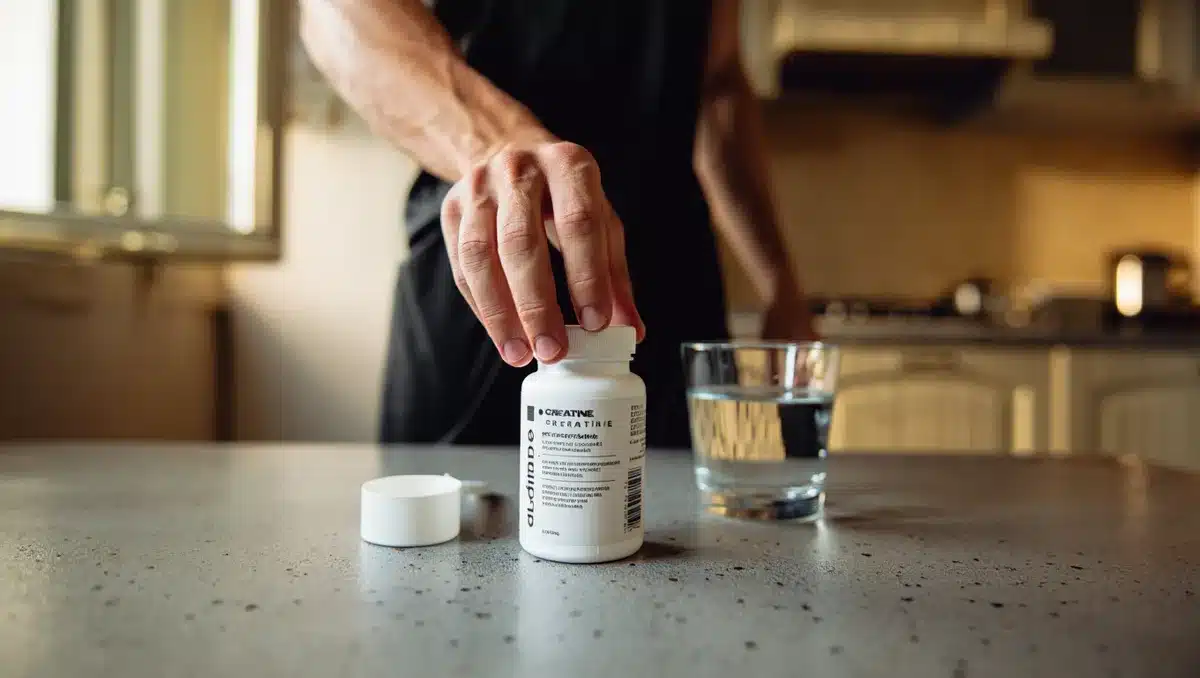
Creatine has a long safety record in athletes, but medical use requires careful attention.
- Typical maintenance dose: 3–5 g per day.
- Some protocols begin with a short “loading” phase, but this is not always necessary.
- Possible side effects: bloating, weight gain from water retention, mild gastrointestinal upset.
- People with kidney disease should avoid creatine unless cleared by a physician.
What clinicians and mental health experts are saying
Psychiatrists urge cautious optimism. Many see creatine as a low-cost, low-risk adjunct for selected patients. They emphasize the need for larger, well-controlled trials to confirm benefit and refine which patients may respond best.
- Experts recommend discussing supplement use with a treating clinician.
- Combining creatine with prescribed antidepressants should be medically supervised.
- Researchers are designing bigger trials to test long-term outcomes and safety.
Practical guidance for people considering creatine
If you are thinking about trying creatine for depression, follow practical steps to stay safe.
- Talk to your psychiatrist or primary care doctor first.
- Disclose all medications and health conditions, especially kidney issues.
- Start with a standard daily dose and monitor symptom changes and side effects.
- Keep lifestyle treatments in place, such as therapy, sleep hygiene, and exercise.

Research gaps and next questions for scientists
Key questions remain before creatine becomes a standard option in depression care.
- Which patient groups benefit most: age, sex, or subtype of depression?
- What is the optimal dose and duration for antidepressant effect?
- How does creatine interact with common psychiatric medications?
- Can biomarkers predict who will respond?
How to choose a creatine supplement if you proceed
Quality matters when selecting supplements. Products vary in purity and formulation.
- Choose creatine monohydrate from reputable brands.
- Look for third-party testing labels for purity and absence of contaminants.
- Avoid mixed supplements with unproven additives unless recommended by a clinician.
Tracking effects and knowing when to stop
Monitoring is essential when adding any supplement to a treatment plan.
- Keep a symptom diary to track mood changes and side effects.
- Schedule follow-ups with your clinician to review progress.
- Stop the supplement and seek medical advice if you notice worrying symptoms.










