

Show summary Hide summary
- Why the definition is changing and what it means for patients
- Key elements of the updated diagnostic approach
- How treatment plans will shift under the new definition
- Implications for primary care and cardiology teams
- What the new definition means for research and clinical trials
- Technology, data, and the role of AI in diagnosis
- Patient impact: what people with heart disease should know
- Barriers to implementation and what experts caution
- Early real-world signs of change
- What clinicians and health systems are planning next
A major rethink of how doctors define heart failure is rolling out across clinics and hospitals, promising to change when patients are diagnosed and how they are treated. The shift moves beyond a single number and toward a fuller view of the heart, the circulatory system, and the patient’s daily health. Experts say this could catch disease earlier, tailor therapies better, and reduce avoidable hospital stays.
Why the definition is changing and what it means for patients
Eggs every day for months: simple check reveals shocking blood test result
Popular childhood food ingredient may raise adult anxiety: study
For decades, heart failure was often labeled by one metric: left ventricular ejection fraction (LVEF). That number estimates how much blood the left ventricle ejects with each beat. Clinicians used broad categories such as reduced, preserved, or mid-range ejection fraction to guide care.
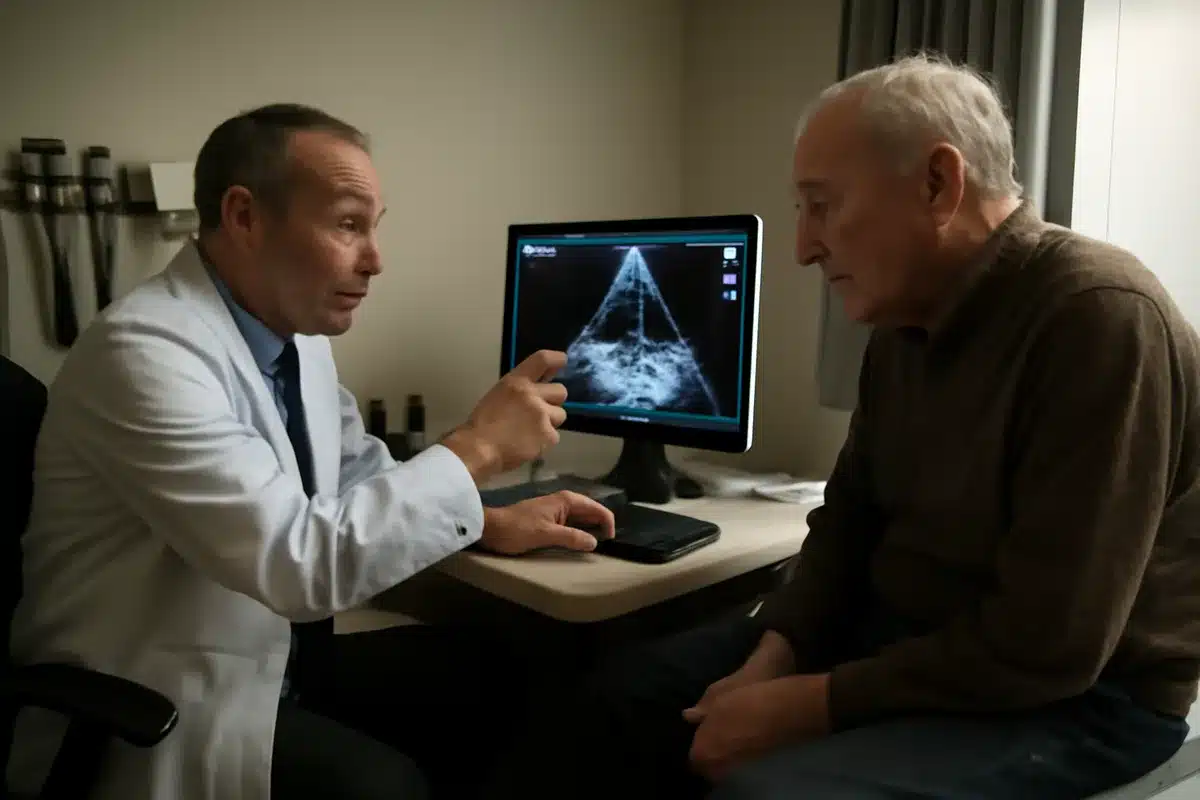
Now, the emerging definition integrates imaging, biomarkers, symptoms, and underlying causes. The aim is clear: diagnose sooner and match treatments to the patient’s biology. That means fewer patients slip through the cracks until they develop severe symptoms.
Key elements of the updated diagnostic approach
- Multimodal evaluation: combine echocardiography, natriuretic peptides, and clinical assessment.
- Pathophysiologic focus: recognize diastolic dysfunction, right heart impairment, and valvular contributors.
- Risk-based staging: identify patients at risk before symptoms appear.
- Precision labels: move beyond simple LVEF cutoffs to describe phenotypes and mechanisms.
What clinicians will look for
- Elevated biomarkers such as BNP or NT-proBNP.
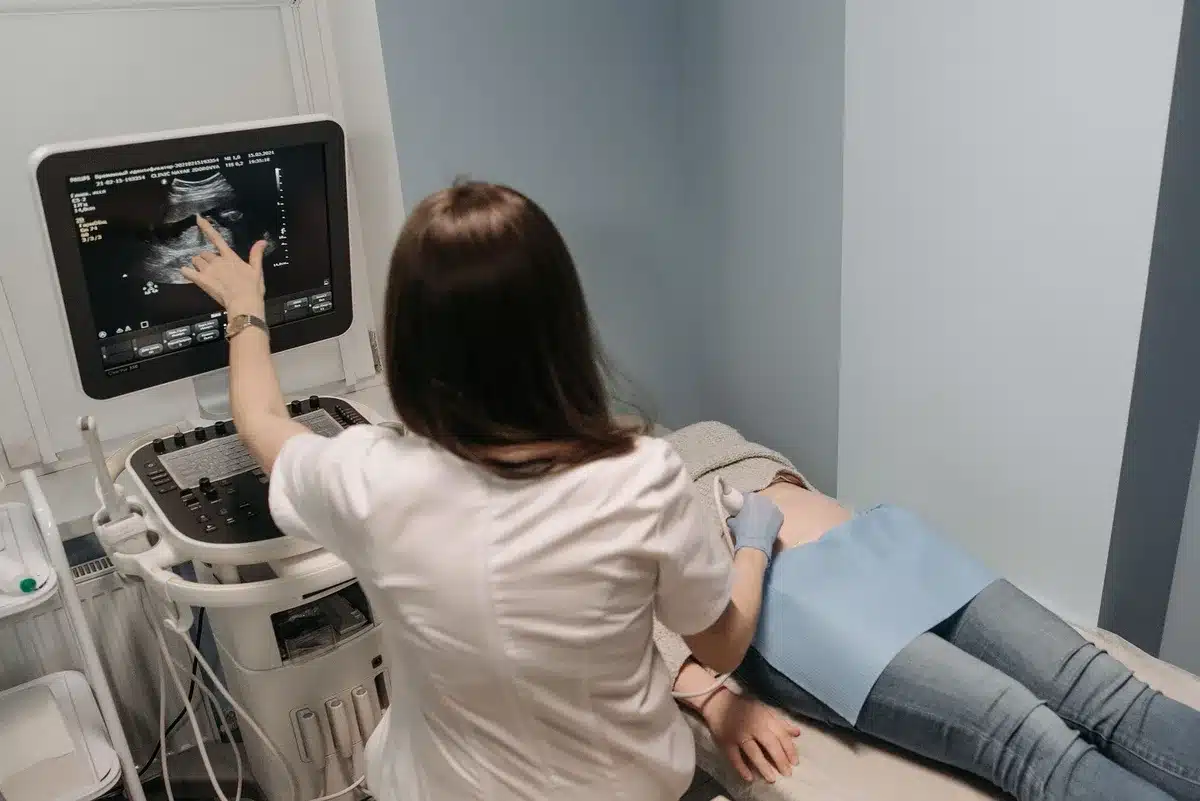
- Subtle structural changes on imaging.
- Exercise intolerance or daily function decline.
- Comorbidities that influence heart function, like obesity or diabetes.
How treatment plans will shift under the new definition
Treatment will become more personalized. Therapies that once targeted only low ejection fraction are now being considered for broader groups based on physiology. Drug classes such as SGLT2 inhibitors, ARNI, and MRAs are evaluated by effect on outcomes rather than strict LVEF cutoffs.
- Earlier intervention: Start disease-modifying drugs before severe symptoms emerge.
- Phenotype-driven choices: Select therapies that address stiffness, congestion, or right-sided failure.
- Nonpharmacologic measures: Use targeted device therapy and lifestyle programs guided by new risk profiles.
Implications for primary care and cardiology teams
Primary care clinicians will play a larger role in early detection. Routine use of natriuretic peptide testing and clearer referral pathways can speed diagnosis. Specialist teams will focus on phenotype classification and advanced therapies.
- Screening in high-risk patients will become standard practice.
- Shared care models will link community and hospital services.
- Multidisciplinary clinics will integrate nephrology, pulmonology, and endocrinology when relevant.
What the new definition means for research and clinical trials
Trial design is changing to test drugs across biological phenotypes rather than strict LVEF bands. This broadens eligible populations while aiming for clearer signal on which patients benefit most.
- Biomarker-driven enrollment
- Imaging-based outcome measures
- Adaptive trials that refine groups as data arrive

Potential advantages for drug development
- Faster identification of responders.
- Reduced risk of null results caused by pooling dissimilar patients.
- More efficient regulatory pathways when benefit is seen in well-defined phenotypes.
Technology, data, and the role of AI in diagnosis
Advanced imaging, wearable monitors, and artificial intelligence are filling knowledge gaps. Algorithms can spot patterns that human readers miss. Home devices can track fluid status and activity, offering early warnings of decompensation.

- AI-assisted echo interpretation improves detection of subtle dysfunction.
- Remote monitoring reduces hospital admissions by prompting earlier intervention.
- Integration of electronic health records streamlines risk stratification.
Patient impact: what people with heart disease should know
Patients can expect more tailored conversations about risk and treatment. Tests may be ordered earlier, and medication plans might change even if LVEF looks normal. Education about symptoms and self-monitoring will be emphasized.
- Ask your clinician about natriuretic peptide testing if you have breathlessness or fatigue.
- Bring updates on weight, exercise tolerance, and swelling to appointments.
- Discuss whether newer therapies could suit your heart’s specific pattern.
Barriers to implementation and what experts caution
Adopting a broader definition is not automatic. Resource limits, uneven access to testing, and clinician education remain obstacles. Experts call for clear protocols and funding to support the change.
- Access to biomarker testing can be inconsistent across regions.
- Training is needed so clinicians interpret new phenotypes accurately.
- Health systems must invest in remote monitoring and multidisciplinary teams.
Early real-world signs of change
Hospitals piloting the new approach report earlier diagnosis and fewer readmissions. Some centers note more patients receiving guideline-directed therapy sooner. These early wins hint at broader health gains if the change spreads.
- Reduced time from first symptom to diagnosis in pilot programs.
- Increased use of disease-modifying drugs in patients previously excluded.
- Better coordination between emergency, primary, and specialist care.
What clinicians and health systems are planning next
Implementation plans focus on guideline updates, clinician training, and scaling monitoring tools. Health systems are also redesigning care pathways to ensure timely referrals and follow-up.
- Create standard testing algorithms for high-risk patients.
- Set up multidisciplinary heart failure clinics with clear roles.
- Invest in telehealth and remote patient monitoring platforms.










