

Show summary Hide summary
- Why the viral clip grabbed attention
- How an EMT described the emergency scene
- What bystanders can realistically do
- Naloxone: what it does and why it matters
- Legal protections and barriers for helpers
- Training essentials for non-medical responders
- Why public awareness campaigns matter
- Community steps that improve survival
- Social media’s double-edged influence
- A direct appeal from an emergency responder
When a bystander filmed a dramatic opioid overdose and the clip spread across social platforms, EMT Simone Kelly stepped forward to explain what really unfolded. Her account blends urgent medical detail with a plea that reached far beyond first responders: don’t be a bystander. The video reopened a national conversation about overdose response, naloxone access, and the role each person can play in saving a life.
Why the viral clip grabbed attention
Eggs every day for months: simple check reveals shocking blood test result
Popular childhood food ingredient may raise adult anxiety: study
The footage shocked viewers because it captured a moment many fear — a person slumped, unresponsive, and surrounded by people unsure how to help. Viral spread fueled debate about judgement, privacy, and responsibility.
- Short-form video platforms accelerated reach.
- The scene highlighted gaps in public knowledge about opioid overdose signs.
- It forced questions about whether bystanders should intervene or wait for professionals.
How an EMT described the emergency scene
Simone Kelly, an emergency medical technician, described arriving to find a tense crowd and one person in respiratory distress. She emphasized the value of timely action and correct technique.
Immediate priorities she listed
- Assess airway and breathing quickly.
- Call emergency services without delay.
- Administer oxygen or rescue breaths if trained.
- Use naloxone when opioid overdose is suspected.
What bystanders can realistically do
Kelly stresses that ordinary people can make a decisive difference. You do not need to be a medical professional to help.
- Dial emergency services and describe the situation.
- Check responsiveness and breathing.
- Start chest compressions if the person is not breathing and you are able.
- Give naloxone if available and follow label instructions.
- Stay at the scene until help arrives.
Naloxone: what it does and why it matters
Naloxone rapidly reverses opioid effects and restores breathing for many people in overdose. It is safe and non-addictive. Kelly underscores that having naloxone on hand can change the outcome within minutes.
Forms and access
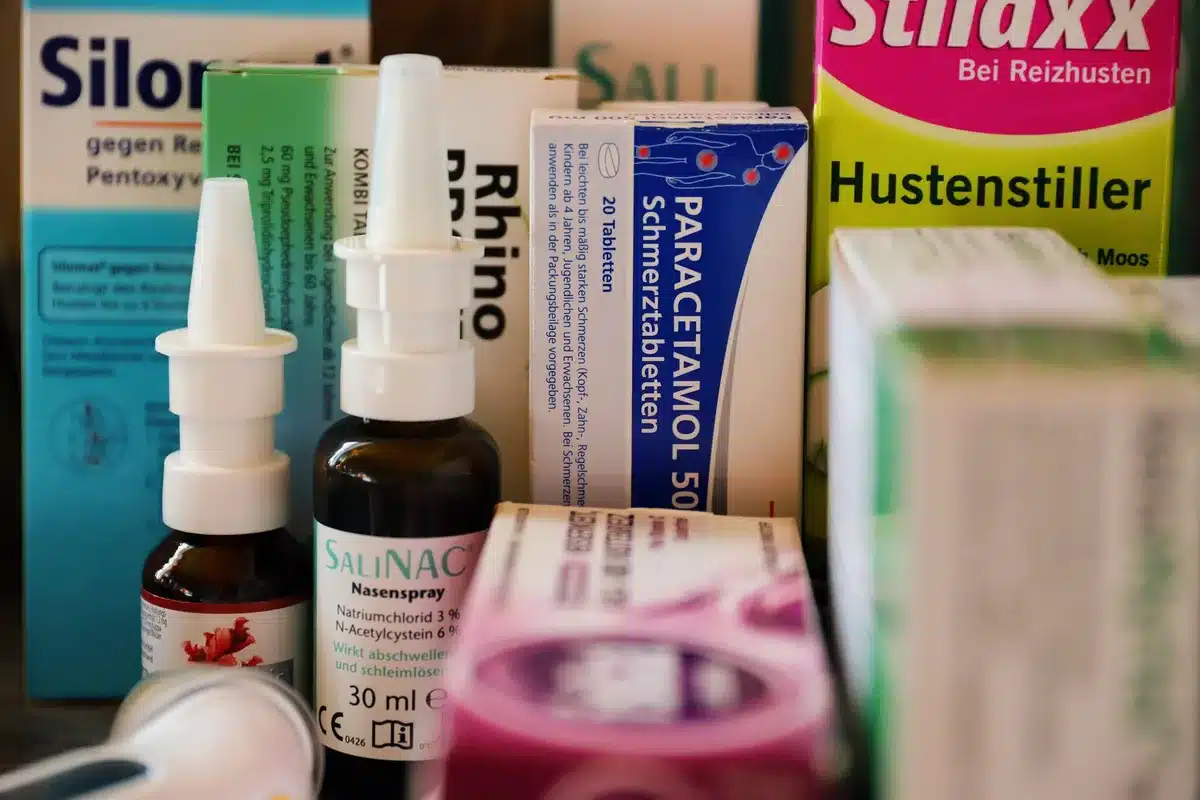
- Nasal sprays and injectable kits are common.
- Many pharmacies and community programs distribute naloxone free or at low cost.
- Training is short and widely available.
Legal protections and barriers for helpers
Fear of arrest or legal consequences prevents some people from acting. Good Samaritan laws exist in many states to protect those who assist in an overdose situation.
- Good Samaritan protections typically shield callers and naloxone users from prosecution for drug possession.
- Protections vary by state; learning local laws reduces hesitation.
- Emergency medical dispatchers can guide untrained rescuers through life-saving steps.
Training essentials for non-medical responders
Kelly recommends brief, practical trainings that focus on recognition and simple interventions. These courses build confidence and reduce paralysis in crisis moments.
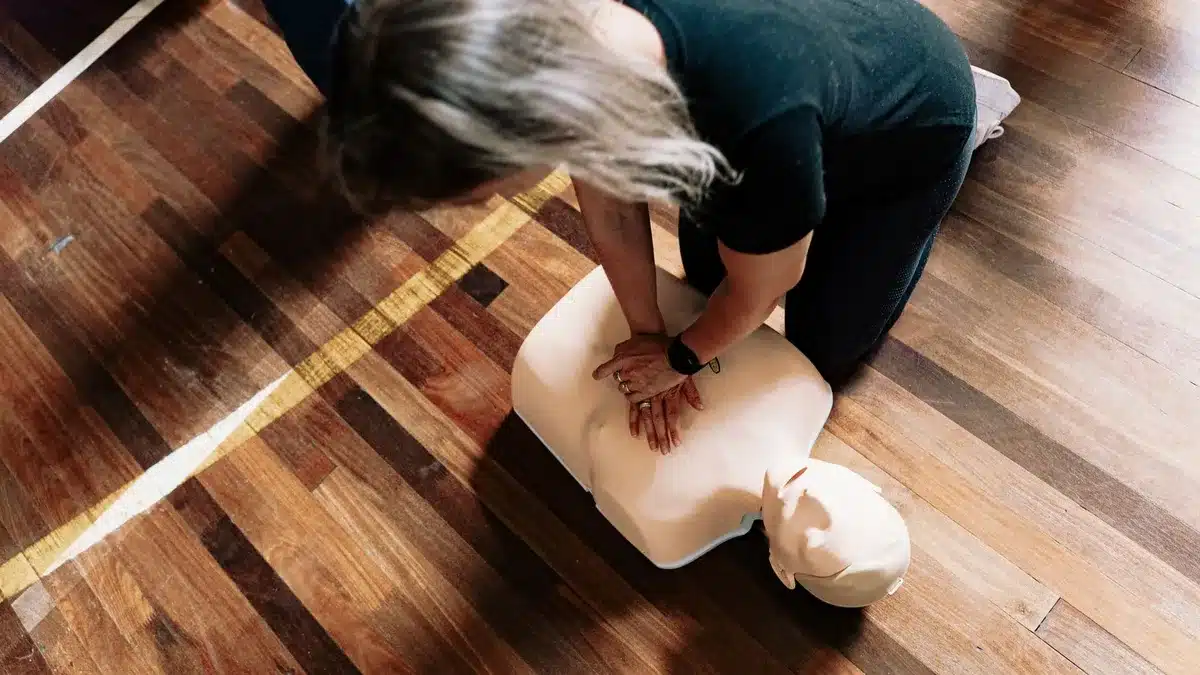
- CPR and rescue breathing basics.
- How to administer naloxone nasal spray.
- Scene safety and when to move a person.
- How to communicate clearly with 911 dispatchers.
Why public awareness campaigns matter
Viral incidents can be painful, but they also spread information fast. Kelly says that when the public learns what an overdose looks like and what actions help, survival rates improve.
Community steps that improve survival
Policy, education, and easy access to naloxone make communities more resilient.
- Expand naloxone distribution through pharmacies and outreach.
- Offer free or low-cost CPR and overdose response classes.
- Promote clear Good Samaritan information in public spaces.
- Support harm reduction services and treatment options.
Social media’s double-edged influence
The viral video brought attention but also sparked criticism. Kelly notes that while clips can educate, they can also dehumanize victims. She urges platforms and users to balance awareness with dignity.
- Use footage to inform, not to shame.
- Share resources like where to get naloxone and local training schedules.
- Tag community health organizations to amplify correct guidance.
A direct appeal from an emergency responder
Simone Kelly’s message is simple and urgent: if you see someone in distress, step forward. Learn a few basic skills, carry naloxone if possible, and contact emergency services. Small actions can restore breath and buy time for professional care.










