

Show summary Hide summary
- Key takeaways: what the mouse study revealed
- Why researchers looked at the maternal gut during pregnancy
- How maternal microbiome profiles altered offspring outcomes
- Transferring gut bacteria changed maternal sensitivity
- The immune signal IL-17A and links to brain development
- Limitations: why mouse results are not human conclusions
- What scientists aim to explore next
- Practical takeaways for pregnant people and families
- Open questions researchers are still debating
Pregnancy triggers countless hidden changes in a woman’s body. Beyond hormones and diet, scientists are now turning their attention to the gut microbiome. New research in mice suggests maternal gut bacteria present before conception can alter how the mother’s immune system reacts during pregnancy. That immune reaction may, in turn, influence early brain development in offspring. The finding is intriguing, but it must be read with caution.
Key takeaways: what the mouse study revealed
Eggs every day for months: simple check reveals shocking blood test result
Popular childhood food ingredient may raise adult anxiety: study
- In pregnant mice, the mother’s gut microbiota changed how immune activation affected pups.
- A specific immune protein, IL-17A, appears central to this pathway.
- There is no proven cause-and-effect link between maternal microbiota and autism in humans.
Why researchers looked at the maternal gut during pregnancy
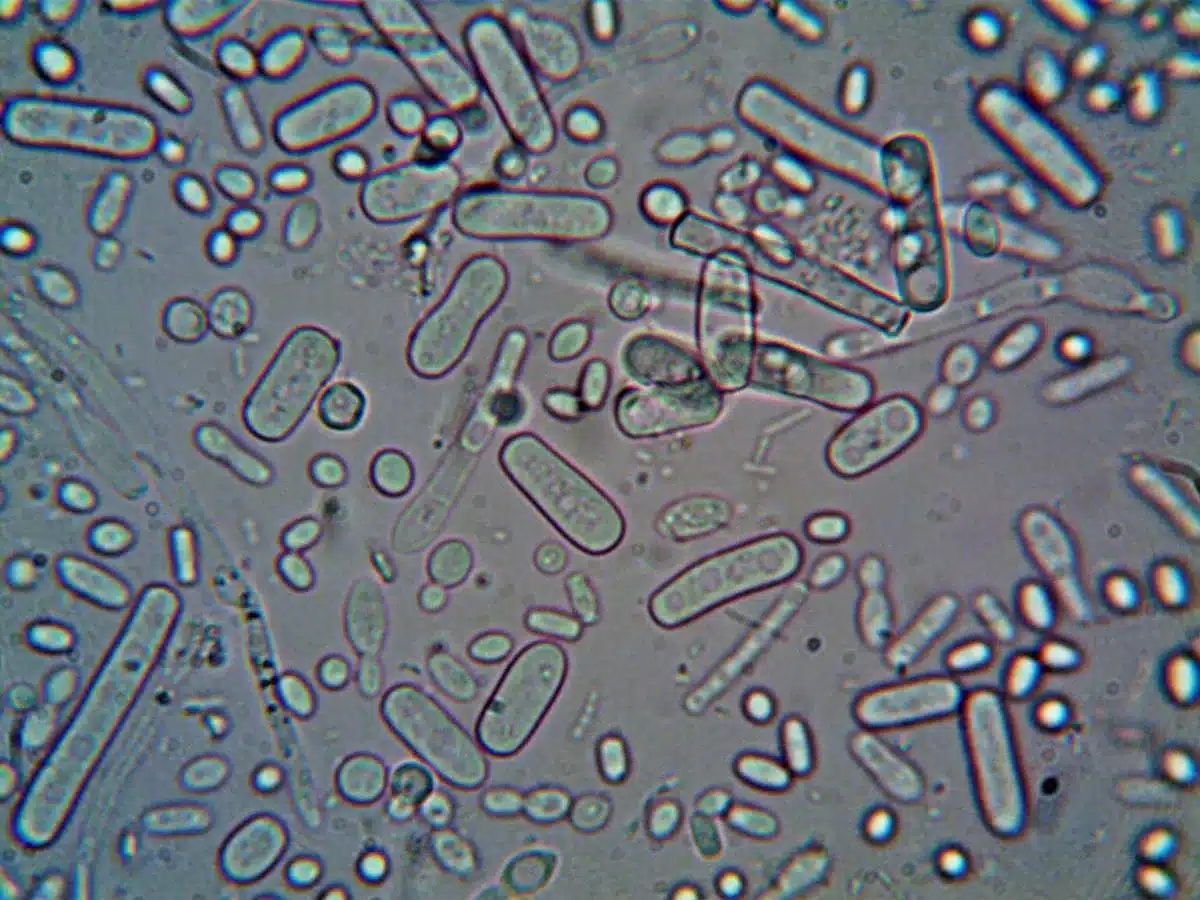
The intestine hosts billions of microbes that shape digestion and immunity. Scientists asked whether the gut ecosystem could also change how a pregnant body responds to inflammation. The question reflects a broader shift. Researchers increasingly see the microbiome as a dynamic partner in health, not a passive passenger.
To test this idea, investigators used an established mouse model. They triggered an immune reaction in pregnant females that mimics some responses to viral infection. Then they monitored offspring for behavioral changes that serve as proxies in animal studies for neurodevelopmental differences.
How maternal microbiome profiles altered offspring outcomes
Results showed that pups’ behaviors differed depending on the mother’s microbiome before conception. Some offspring exhibited more repetitive behaviors and reduced social interaction in the experimental tests. These traits are used in rodents to model aspects of neurodevelopment.
- Different microbial communities in mothers produced distinct immune environments during pregnancy.
- Those environments correlated with more or fewer behavioral changes in pups.
The study does not claim a microbiome causes autism on its own. Instead, it suggests the microbiota can change how the maternal immune system reacts when it is stimulated.
Transferring gut bacteria changed maternal sensitivity
To confirm the microbiome’s role, scientists transplanted gut bacteria from donor mice into other females before they became pregnant. Recipients acquired the immune sensitivity linked to the donor microbiome.
When inflammation was induced during pregnancy, pups born to the recipients were more likely to show the experimental alterations. The transfer experiments strengthen the case that bacteria shaped maternal immune responses.
The immune signal IL-17A and links to brain development
Investigators focused on IL-17A, an immune molecule produced during certain inflammatory responses. In this model, IL-17A rose when maternal immune activation occurred. Blocking IL-17A prevented many of the neurodevelopmental changes seen in the offspring.
This result suggests a pathway: the maternal microbiome influences immune signaling, including IL-17A, and that signaling can affect brain development in the fetus. Still, blocking IL-17A in pregnant humans is not a therapeutic option today. IL-17A has protective roles, including defense against infections.
Why IL-17A is not a simple target
- IL-17A helps fight certain pathogens. Disrupting it could expose mother and fetus to infections.
- Animal findings do not translate directly into safe clinical interventions for pregnant women.
- Any immune modulation in pregnancy carries potential trade-offs that need careful study.
Limitations: why mouse results are not human conclusions
Mice are a powerful model but cannot capture the full complexity of human neurodevelopment. The behaviors scored in rodents are proxies, not clinical diagnoses. Many environmental and genetic factors shape human conditions.
- The study does not show that a mother’s gut flora determines whether a child will be autistic.
- It does not support recommending probiotics, special diets, or fecal transplants during pregnancy.
- Researchers still must test whether similar mechanisms exist in people.
No expectant parent should feel culpable for their microbiome composition. Balanced nutrition and regular prenatal care remain sensible for overall health. But no intervention has been proven to prevent autism by altering gut microbes.
What scientists aim to explore next
Future work will examine whether comparable immune-microbiome-brain links exist in humans. Teams will look for biomarkers, confirm causality, and evaluate safety if any therapeutic avenues appear. Translational studies must carefully separate correlation from causation.
- Longitudinal human cohorts could test associations between maternal microbiota, immune markers, and child development.
- Mechanistic studies will examine how specific bacteria modulate immune pathways like IL-17A.
- Any clinical trials would need rigorous safety monitoring, especially during pregnancy.
Practical takeaways for pregnant people and families
- Current evidence does not justify altering the microbiome to prevent neurodevelopmental outcomes.
- Routine prenatal care and a varied diet are reasonable measures for maternal health.
- If you have questions about probiotics or supplements, discuss them with your healthcare provider.
Open questions researchers are still debating
- Which specific microbes, if any, consistently influence maternal immune responses?
- Are there safe ways to modify risk without impairing immune defenses during pregnancy?
- How do genetics and environment interact with microbiome effects in early brain development?










