

Show summary Hide summary
- Key points to know before you juice
- Cold and immunity-support drinks that refresh
- Energy, mood and brain-support blends
- Hydration and recovery blends for daily needs
- Digestion and gut-friendly options
- Headache, vision and chronic condition considerations
- Comfort and stress-relief drinks
- Practical tips for making juices at home
- How to get more benefits and reduce risks
Fresh fruit and vegetable juices are an easy way to add color and nutrients to your day. They hydrate, deliver vitamins and antioxidants, and can be tailored to specific needs. Below are 16 simple juice formulas, practical tips and cautions so you can enjoy homemade blends safely and deliciously.
Key points to know before you juice
Eggs every day for months: simple check reveals shocking blood test result
Popular childhood food ingredient may raise adult anxiety: study
- These recipes mix fruits, vegetables, herbs and spices to vary flavor and nutrients.
- Juices add fluids, vitamins, minerals and some antioxidants to your diet.
- They are not cures for illnesses and never replace medical care or prescription drugs.
- Keeping some pulp preserves fiber and slows sugar absorption.
- When possible, choose organic produce to reduce pesticide exposure.
- Limit homemade juices to roughly one small glass per day.
Cold and immunity-support drinks that refresh
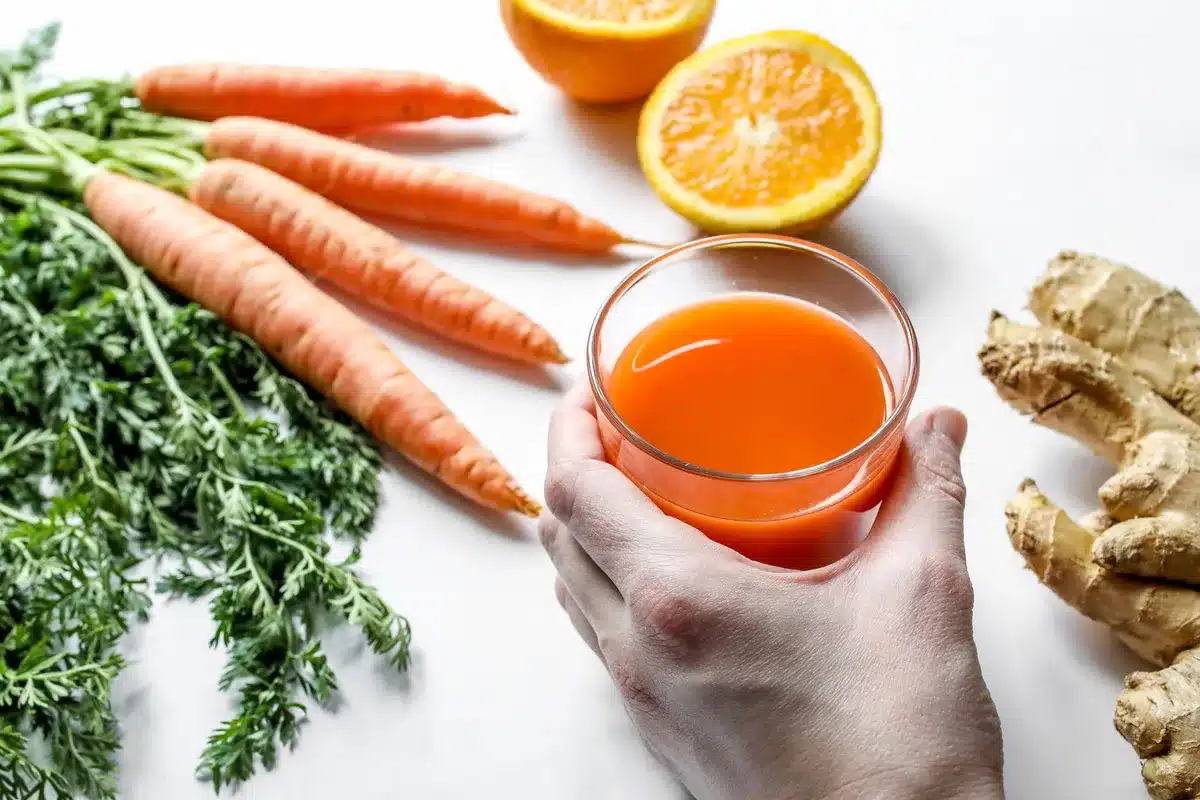
Cold-relief boost (carrot, pineapple, ginger, garlic)
Blend carrots, pineapple, a knob of fresh ginger and a small clove of garlic.
This bright mix supplies beta-carotene and vitamin C. It can lift energy and comfort you when you feel under the weather. It does not replace medical treatment for infections.
Asthma-friendly antioxidant mix (carrot, spinach, apple, garlic, lemon)
Juice carrots, spinach and an apple, then add a sliver of garlic and a squeeze of lemon.
The nutrients support general wellness but cannot prevent or stop an asthma attack. Always keep prescribed inhalers accessible.
Energy, mood and brain-support blends
Mood lift juice (carrot, apple, spinach, small beet)
Process carrots, apples, spinach and a small beetroot in an extractor.
This colorful blend provides iron, vitamins and antioxidants to help reduce fatigue. It is not a substitute for professional care in cases of clinical depression.
Anti-fatigue tonic (carrot, beet, green apple, lemon, spinach)
Combine carrots, beetroot, a green apple, lemon and spinach for a revitalizing drink.
Vitamins and phytonutrients can support alertness. Persistent tiredness should be discussed with your doctor.
Memory-friendly antioxidant juice (pomegranate, beet, grapes)
Mix pomegranate seeds, beet and a handful of grapes in a juicer.
High in antioxidants, this blend may support cognitive health. It cannot restore lost memory function and sudden memory decline requires medical evaluation.
Hydration and recovery blends for daily needs
Hangover helper (apple, carrot, beet, lemon)
Combine an apple, a carrot, a beet and lemon for a hydrating drink after a night out.
This juice replenishes fluids and electrolytes. It does not speed alcohol elimination; rest and water remain essential.
Kidney-friendly hydrating mix (orange, apple, watermelon, lemon)
Juice orange, apple and watermelon with a splash of lemon.
Very high in water, this blend helps hydration. Management of kidney stones depends on stone type. Consult a physician.
Refreshing renal support (carrot, watermelon, coriander, cucumber)
Blend carrots, watermelon, a sprig of coriander and cucumber for a cooling drink.
Hydrating and fresh, this juice is pleasant on hot days. It does not detoxify organs; kidneys perform natural filtration.
Digestion and gut-friendly options
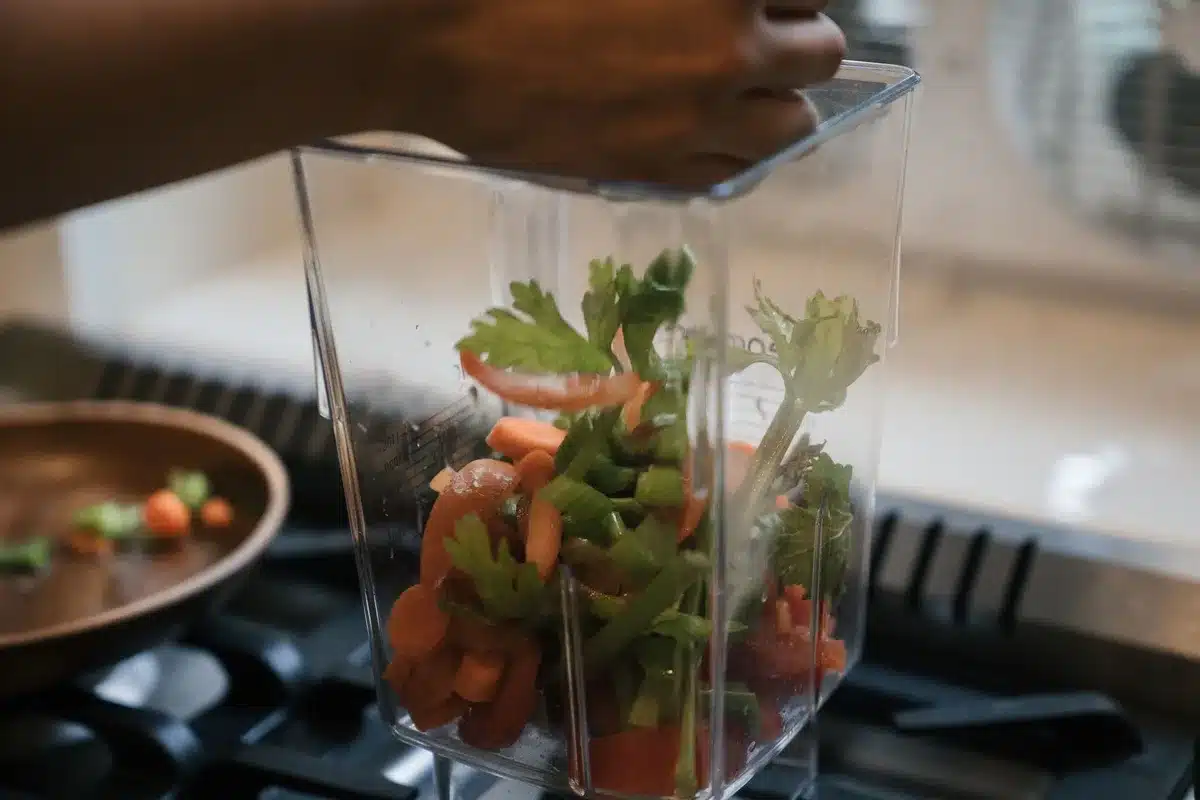
Ulcer-sensitive juice (cabbage, carrot, celery)
Juice cabbage with carrots and celery for a mild, nutrient-dense drink.
Some components can soothe digestion for certain people. However, an ulcer requires medical follow-up and dietary responses vary by individual.
Constipation-relief blended drink (carrot, apple, cabbage)
Use a blender to combine a carrot, an apple and cabbage leaves to retain fiber.
Keeping the pulp helps bowel movement. A blender preserves more fiber than an extractor.
Headache, vision and chronic condition considerations
Hydration-based headache juice (apple, cucumber, kale, ginger, celery)
Mix an apple, half a cucumber, kale, a piece of ginger and a celery stalk.
With high water content, this drink helps hydration-related headaches. See a doctor if headaches are frequent or severe.
Eye-support juice (carrot, celery)
Juice carrots with celery for a simple, vitamin-rich option.
Carrots provide beta-carotene, a precursor to vitamin A, which supports normal vision. It does not correct refractive errors.
Hypertension-aware blend (beet, apple, celery, cucumber, ginger)
Combine beetroot, apple, celery, cucumber and a touch of ginger.
This mix can complement a varied diet. It must not replace prescribed hypertension medications or medical advice.
Diabetes caution juice (carrot, spinach, celery)
Juice a carrot, a handful of spinach and a celery stalk.
Natural sugars in juice can raise blood glucose quickly. If you have diabetes, consult your physician before adding juices to your routine.
Arthritis-friendly refresher (carrot, celery, pineapple, lemon)
Mix a carrot, a celery stalk, pineapple and lemon for a zesty drink.
It can be a pleasant part of meals, but it does not cure arthritis or replace prescribed treatments.
Comfort and stress-relief drinks
Stress-soothing smoothie-style drink (banana, strawberries, pear, water)
Blend a banana, a few strawberries and a pear with a little water to keep fiber.
Consumed as a smoothie, this recipe provides a calming, nourishing break. It does not treat chronic anxiety or persistent stress.
Practical tips for making juices at home
- Wash produce thoroughly and cut away bruises and cores.
- Remove hard pits and large seeds before juicing.
- With an extractor or centrifuge, you usually don’t need extra water.
- With a blender, add 100–200 ml of water until you reach the desired texture.
- Using a blender keeps more pulp and dietary fiber.
- Drink juices soon after preparation to enjoy maximum freshness and nutrients.
- Avoid adding sugar, honey or syrup; fruits already contain natural sugars.
- Always limit portion size and frequency.
How to get more benefits and reduce risks
- Prefer whole fruits and vegetables most of the time to maximize fiber.
- Reserve juices as a supplement, not a daily food replacement.
- Choose organic when feasible to lower pesticide exposure.
- If you take medications or have chronic conditions, seek medical advice before starting a juicing plan.
- If a new or severe symptom appears, consult a healthcare professional promptly.










