

Show summary Hide summary
- What the BRAT approach actually is and why it caught on
- Why clinicians now see BRAT as too limited for sustained use
- What science and specialists actually recommend
- Gentle next steps: foods to add as you improve
- Foods and drinks to avoid while recovering from a stomach bug
- Hydration and electrolyte guidance
- Practical tips for parents and caregivers
The BRAT plan — short for bananas, rice, applesauce and toast — has long been a go-to when nausea, vomiting or diarrhea strike. But as outbreaks like Cyclospora raise public concern about gastrointestinal illness, medical experts are rethinking how helpful this bland menu truly is for recovery.
What the BRAT approach actually is and why it caught on
Eggs every day for months: simple check reveals shocking blood test result
Popular childhood food ingredient may raise adult anxiety: study
BRAT grew popular because its foods are mild, low in fat and easy to chew. They are simple to prepare and can reduce stomach irritation for a short time.
- Bananas supply potassium, a key electrolyte lost with vomiting or diarrhea.
- Rice contains resistant starch that acts like fiber in the gut.
- Applesauce and bananas carry pectin, a soluble fiber that can firm up loose stools.
- Toast offers bland, low-fat carbohydrates that are often tolerated when other foods are not.
Why clinicians now see BRAT as too limited for sustained use
Despite its convenience, BRAT lacks many nutrients your body needs to heal. It provides little to no protein, calcium, vitamin B12 or sufficient fiber for long-term recovery.
The American Academy of Pediatrics and other authorities no longer endorse BRAT as a full recovery diet for children. Critics say it is unbalanced and should be temporary.
What science and specialists actually recommend
There is scant research comparing BRAT to other approaches. Still, gastroenterologists advise using it only very briefly.
Experts suggest limiting BRAT to the first 24 hours after symptoms start, especially in children, unless advised otherwise by a clinician.
Gentle next steps: foods to add as you improve
As nausea and vomiting ease, gradually introduce more nourishing, easy-to-digest options.
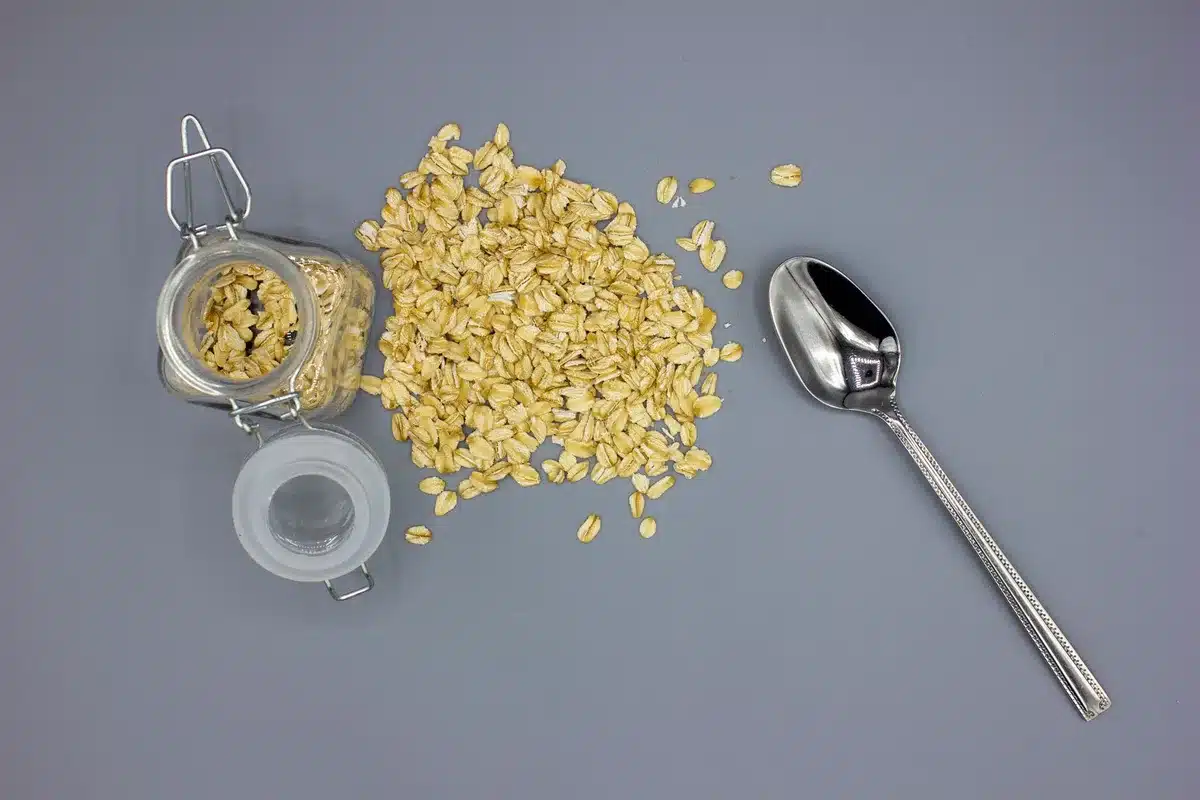
- Broth-based soups
- Plain oatmeal or porridge
- Boiled potatoes or rice-based dishes
- Scrambled eggs for protein
- Cooked, soft vegetables
- Skinless chicken or lean poultry
Foods and drinks to avoid while recovering from a stomach bug
Certain items can irritate the gut and prolong symptoms. Steer clear until recovery is solid.
- Alcohol and caffeinated beverages
- Dairy products, if they worsen symptoms
- Highly acidic foods and citrus
- Sugary drinks and sweets
- Fried, fatty, or spicy dishes
Hydration and electrolyte guidance
Keeping fluids in is the top priority. Dehydration can be more dangerous than the stomach upset itself.

- Drink small sips of water frequently.
- Use oral rehydration solutions or electrolyte drinks when possible.
- Unsweetened herbal tea and clear broths also help replenish fluids.
Practical tips for parents and caregivers
When children are ill, watch for signs of dehydration and consult a pediatrician with persistent symptoms.
- Limit BRAT to about 24 hours unless advised otherwise.
- Offer frequent small amounts of fluid rather than large meals.
- Reintroduce protein and micronutrient-rich foods slowly.
- Seek medical care if vomiting or diarrhea is severe or prolonged.










