

Show summary Hide summary
- Why doctors often cite the “8 glasses” guideline
- How food and drinks contribute to total water intake
- The most reliable signs your body gives you
- Easy daily schedule to spread your water intake
- Common hydration mistakes that undermine your efforts
- Simple, low-cost habits that reliably increase intake
- What you can expect when hydration improves
- Questions many readers still ask
You spend the day rushing from task to task and, by evening, the water bottle sits untouched. Hydration is simpler than most wellness trends. It affects mood, digestion, skin and energy. But is the familiar advice to “drink eight glasses a day” a strict rule or just a useful benchmark? Let’s sort fact from myth and give you practical, science-backed ways to stay hydrated without stressing.
Why doctors often cite the “8 glasses” guideline
Eggs every day for months: simple check reveals shocking blood test result
Popular childhood food ingredient may raise adult anxiety: study
Health professionals commonly recommend about 1.5 to 2 liters of fluids per day. That range comes from averages across populations. It is meant as a starting point, not a law.
The “eight glasses” idea is a simple visual cue. It helps people imagine a daily volume. Yet individual needs shift with metabolism, temperature, and activity. Think of eight glasses as a friendly reminder, not a strict quota.
How food and drinks contribute to total water intake
Water from beverages is only part of the story. Many foods supply meaningful hydration.
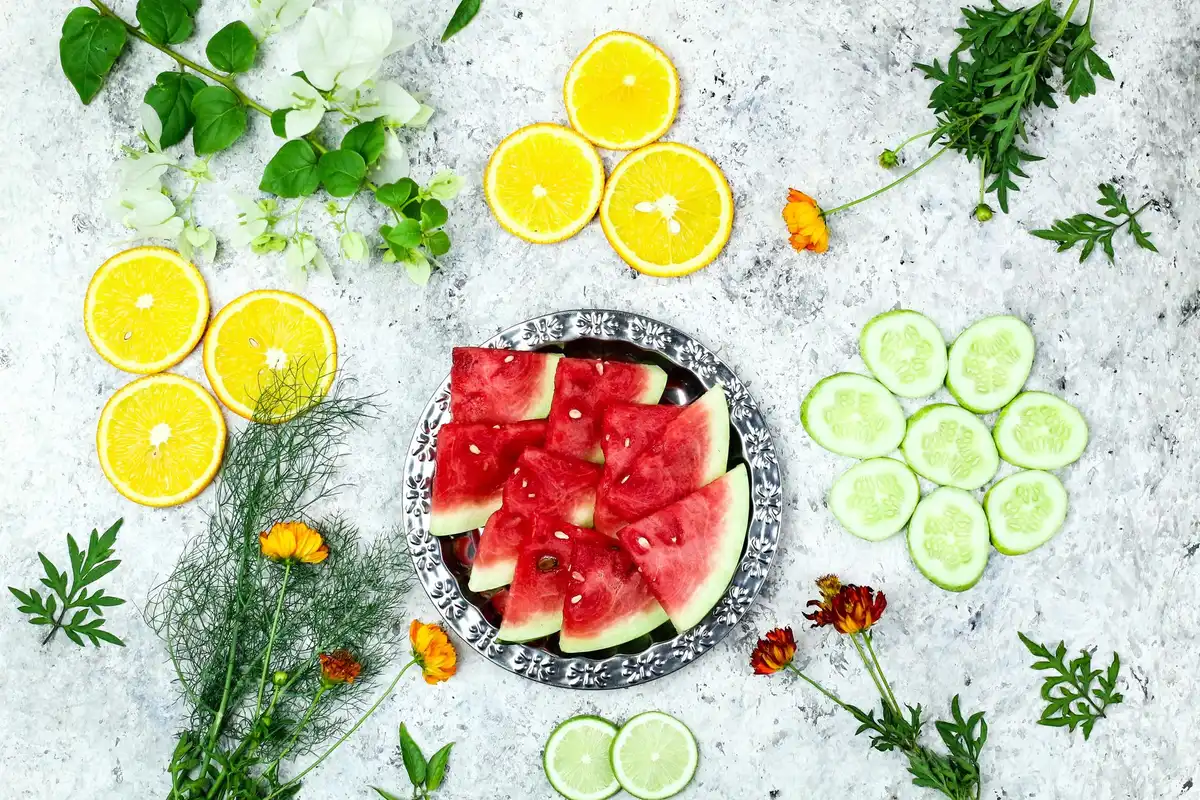
- Fruits and vegetables can cover up to 20–30% of your needs.
- High-water foods include cucumber, watermelon, tomatoes, zucchini and strawberries.
- Tea and coffee count toward your daily fluids when consumed in moderation.
Water should remain your primary source, since it contains no sugar, stimulants or calories. But don’t ignore the fluid in your meals.
The most reliable signs your body gives you
Rather than counting glasses, look for simple indicators your body offers.
- Urine color: pale yellow = well hydrated; dark amber = drink more; completely clear may mean excess.
- Frequency: urinating clear to pale urine roughly every two to three hours usually signals good balance.
- Thirst: for most healthy adults, thirst is a dependable cue. Exceptions include older adults and extreme athletes.
Pay attention to how you feel. Headaches, dry mouth or low energy can be early signs of inadequate intake.
Easy daily schedule to spread your water intake
Small routines make hydration automatic. Try these practical moments to sip during the day.
- On waking: drink a large glass at room temperature to rehydrate after sleep.
- Morning: keep a bottle at your desk and take regular small sips.
- Before lunch: a glass 20–30 minutes before eating helps digestion.
- Afternoon: use water to refresh attention and stave off false hunger cues.
- After exercise or long walks: replenish fluids promptly.
- Evening: avoid large volumes one to two hours before bed to prevent night wakings.
Common hydration mistakes that undermine your efforts
Many people unintentionally sabotage their hydration.
- Waiting until you are very thirsty. Thirst often means dehydration has already started.
- Chugging a large volume at once. The body can only absorb so much per hour.
- Relying solely on caffeinated drinks and ignoring plain water. Recent studies show tea and coffee do contribute fluids, but water is cleaner and safer as a main source.
Simple, low-cost habits that reliably increase intake
Behavioural tweaks beat willpower. Try these easy changes.
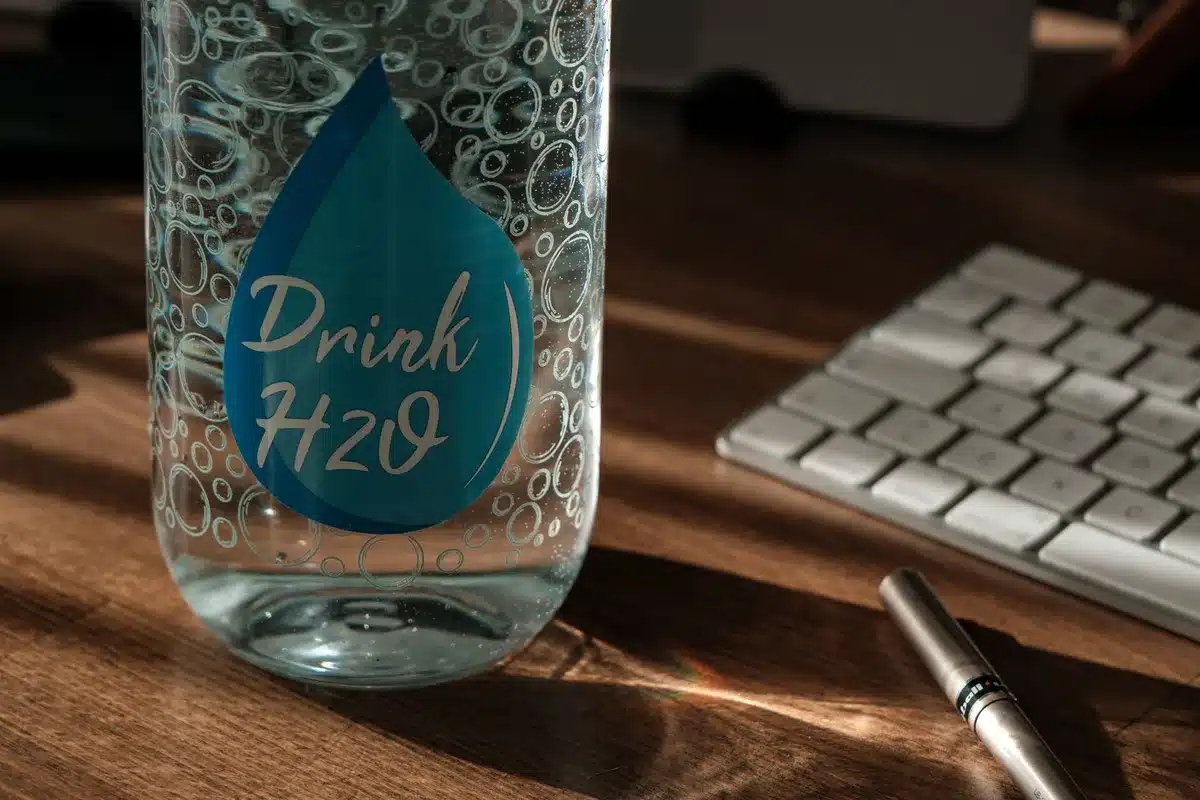
- Keep a visible container—a bottle on your desk or a carafe on the kitchen table increases sipping.
- Flavor water with lemon, mint, cucumber or ginger to make it more appealing.
- Pair drinking with existing routines: before each meal, after brushing teeth, or during work breaks.
- Choose tap water when it’s safe. A filter removes taste issues and saves money over bottled water.
- Eat more hydrating foods to boost fluid intake naturally.
What you can expect when hydration improves
Proper fluid balance delivers quick and visible benefits.
- Skin looks plumper and more radiant. Fine dehydration lines fade.
- Digestion regularizes and energy for daily tasks rises.
- Joint comfort improves and muscle recovery speeds up after activity.
- Mental clarity increases, midday headaches decrease, and mood stabilizes.
Questions many readers still ask
Is drinking only water ever harmful?
Drinking extreme volumes can dilute electrolytes in rare cases. For most people, staying within a reasonable daily range and listening to thirst prevents problems.
Should certain groups drink more frequently?
Yes. Older adults, infants, pregnant or breastfeeding people, and those working in heat or exercising intensely need a planned approach to fluids.
Do you track your water intake or rely on body signals? Share your method and tips so others can try what works for you.










