Show summary Hide summary
- Why ER shifts sap energy and how to fight back
- Eat to maintain focus: prioritize protein and veggies
- Use caffeine strategically, not compulsively
- Hydration is a fast, overlooked energy fix
- Micro-resets: short pauses that restore performance
- Reduce decision fatigue with routines and boundaries
- Practical habits to start today
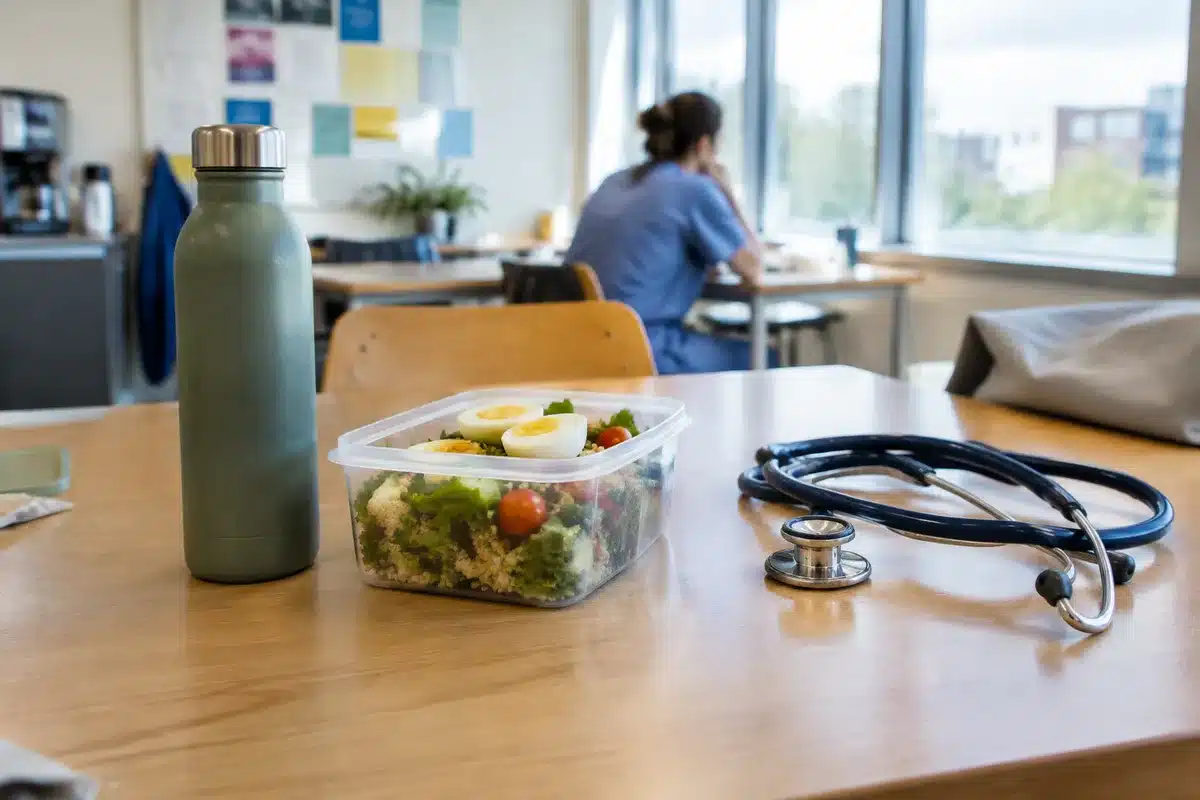
Emergency rooms are a pressure cooker: nonstop cases, split-second choices and long, unpredictable shifts. For physicians on the front lines, staying sharp is a logistics problem as much as a stamina one. Here are practical, doctor-tested tactics to keep energy steady, avoid crashes and preserve focus when it matters most.
Why ER shifts sap energy and how to fight back
NY ER doctors: 5 ways to stay energized and keep your mind sharp on 12-hour shifts
Egg cartons: can you recycle them with cardboard and paper?
High-acuity work forces constant task-switching. That drains cognitive resources fast.
- Mental effort wears down decision-making speed.
- Brief windows for food or rest get swallowed by emergencies.
- Small stressors accumulate into larger fatigue.
Managing energy means planning for biology, not just relying on willpower.
Eat to maintain focus: prioritize protein and veggies
Heavy carbs and sugary snacks spike blood sugar, then produce a crash. Many ER doctors choose meals that release energy slowly.

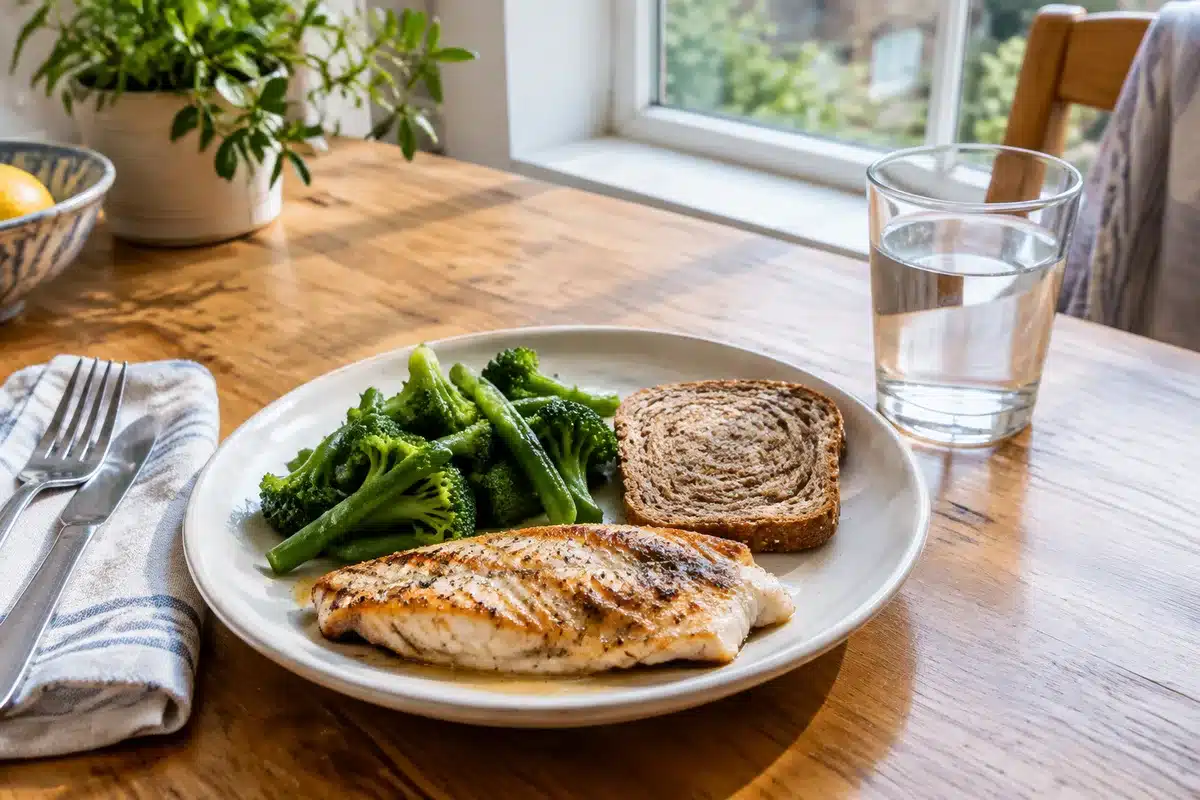
Smart meal building
- Protein first: lean meats, eggs, legumes or Greek yogurt.
- Veggies for fiber and micronutrients.
- Small portion of whole grains or starchy vegetables.
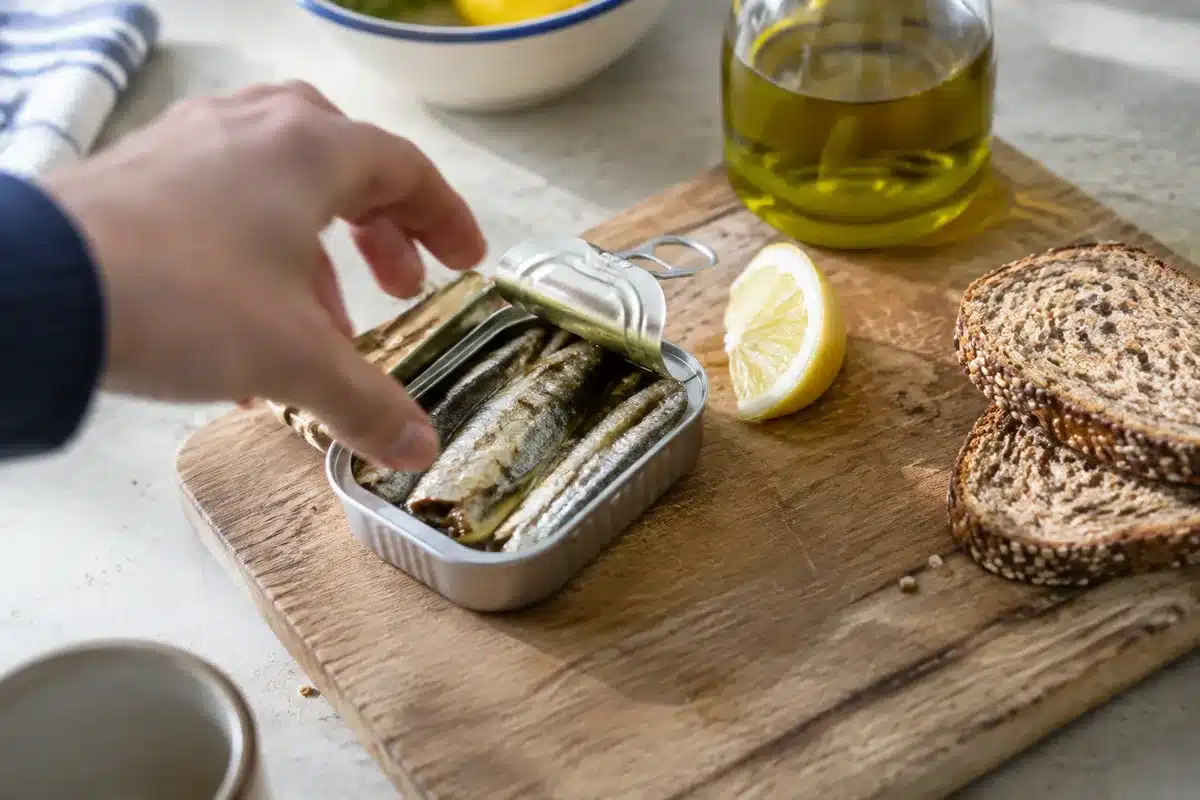
Pack portable, high-protein snacks to avoid impulse grabs. Good options include:
- Individual hummus packs with whole-grain crackers.
- Roasted almonds or mixed nuts.
- Hard-boiled eggs or a protein-rich yogurt cup.
Prep before the day reduces decision fatigue and keeps blood sugar steady across a long shift.
Use caffeine strategically, not compulsively
Caffeine can sharpen attention. But too much creates jitters and impairs fine motor control.
Practical caffeine rules
- Treat caffeine as a targeted tool for peak moments.
- Limit total daily intake to avoid rebound crashes.
- Stop consuming caffeine several hours before the end of your shift so sleep isn’t disrupted.
Many clinicians aim for modest, spaced doses rather than one large hit. Smaller boosts maintain alertness without the downside of anxiety or tremor.
Timing matters. Use a small dose before a demanding task and avoid stacking multiple large doses in short order.
Hydration is a fast, overlooked energy fix
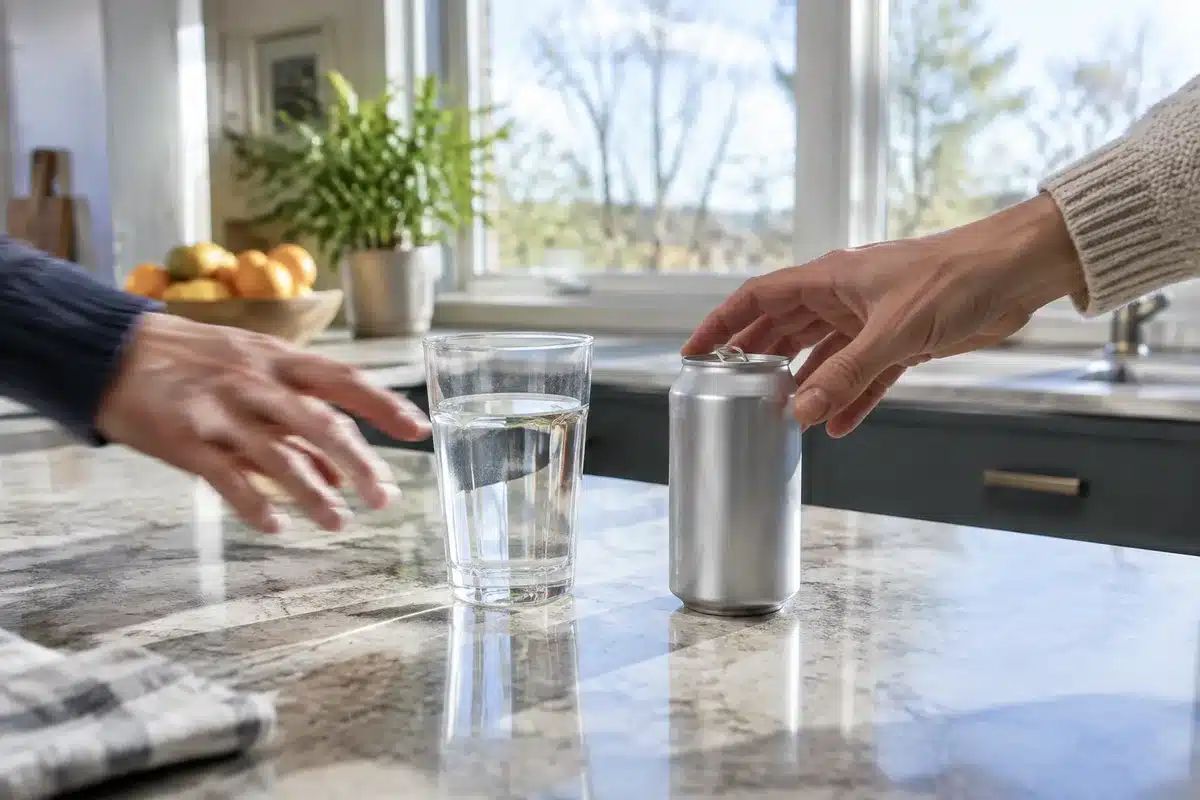
Dehydration reduces alertness and magnifies fatigue. Often a glass of water helps more than another cup of coffee.

- Keep a refillable bottle handy during the shift.
- Sip regularly rather than chugging infrequently.
- Electrolyte-enhanced drinks can help during very long, sweaty shifts.
When you feel a slump, reach for water first. It’s a low-cost, immediate intervention that helps cognition.
Micro-resets: short pauses that restore performance
Lengthy breaks are rare in emergency medicine. Instead, clinicians rely on short, intentional resets between cases.
A practical 60-second reset
- Step away from the bed or chart, if possible.
- Take three deep, controlled breaths.
- Sip water or stretch your legs for 30–60 seconds.
- Refocus on the most important next task.
These tiny resets interrupt the stress response and help you return to work with clearer thinking. Many ER teams even adopt a brief shared pause between critical moments to recalibrate.
Reduce decision fatigue with routines and boundaries
Every minor choice costs attention. Doctors minimize this drain by automating low-stakes decisions and reserving mental energy for critical judgments.
- Standardize meals, clothing and simple habits.
- Create checklists for recurring clinical tasks.
- Prioritize one major task at a time during chaotic periods.
Routines preserve mental bandwidth so you have more cognitive power for urgent, complex problems.
Practical habits to start today
- Meal prep protein-rich snacks before your commute.
- Set a caffeine limit and a cutoff time for the day.
- Carry a water bottle and sip often.
- Practice a 60-second breathing pause between cases.
- Simplify daily choices with consistent routines.